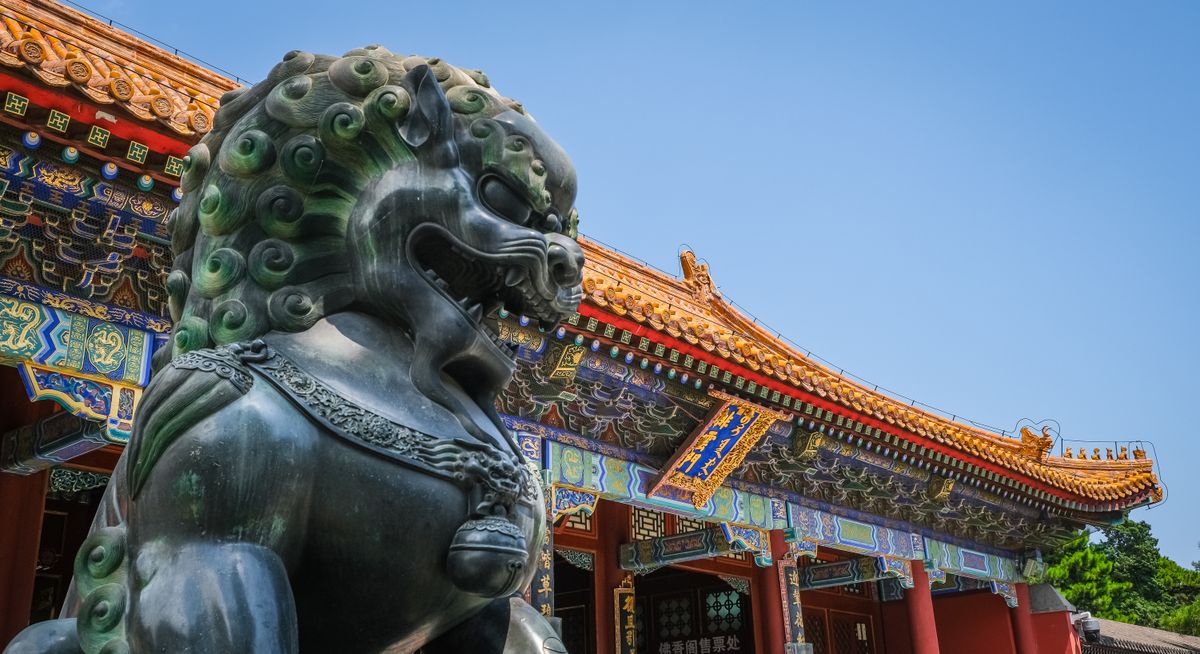
Beijing Travel Guide 2026: Must-See Sights, Tips & Hidden Gems
Beijing is not just China’s capital — it is the country’s cultural and historical heart, a city where 3,000 years of imperial grandeur collide head-on with a hyper-modern megacity of 22 million people. You can walk through a 600-year-old palace in the morning, eat the best duck you have ever tasted at lunch, and stare up at futuristic skyscrapers by evening. No other city on Earth offers quite the same whiplash between ancient and ultra-modern.
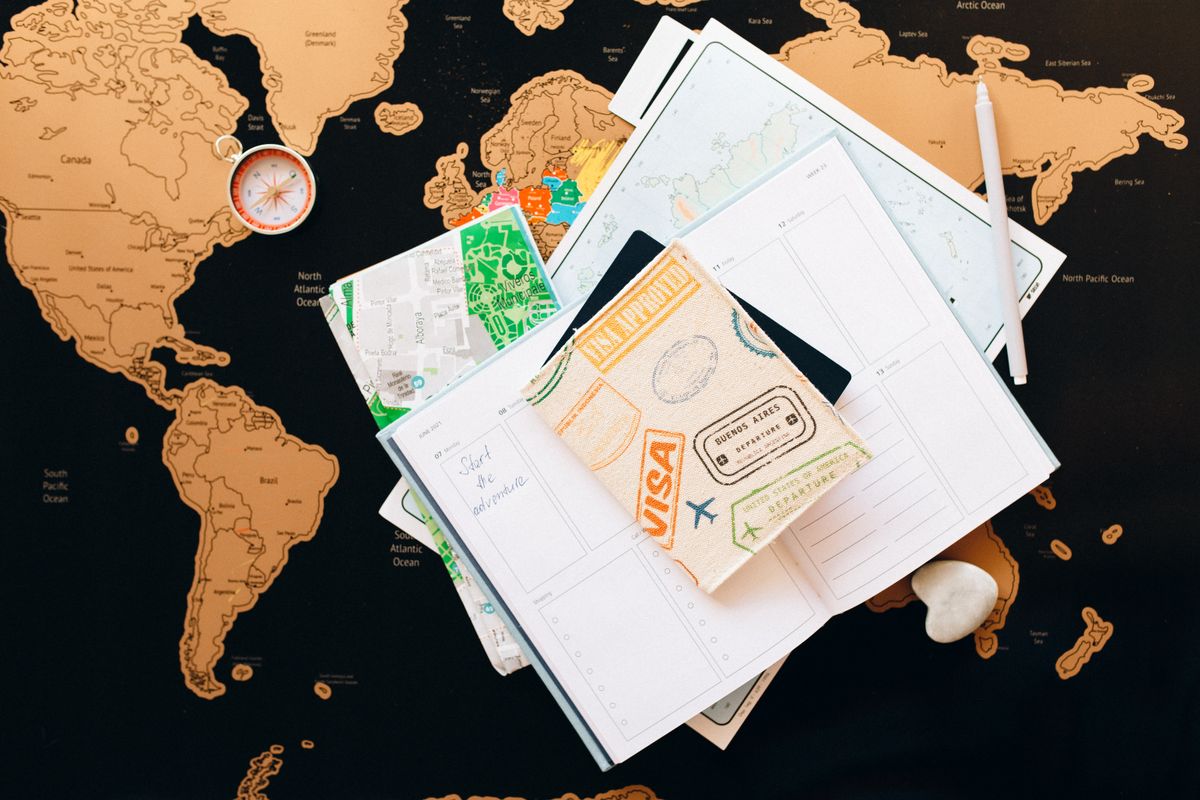
For foreign visitors, Beijing is the single best introduction to China. The infrastructure is excellent, the sights are world-class, and the city has gotten significantly easier to navigate in recent years. With the 144-hour visa-free transit policy (covering 54 countries including the US, UK, Canada, Australia, and most of Europe), you can spend up to six full days in Beijing without a visa at all. Check our complete visa-free guide for eligibility and requirements.
This guide covers everything you need to plan your Beijing trip — where to go, what to eat, how to get around, where to stay, and the practical details that most travel guides skip.
Why Visit Beijing
Beijing deserves a spot on every serious traveler’s bucket list, and here is why:
- Unmatched historical depth. The Forbidden City, the Great Wall, the Temple of Heaven, the Summer Palace — these are not just “attractions.” They are among the most significant structures humans have ever built, and seeing them in person hits different than any photo or documentary.
- Incredible food. Beijing’s food scene goes far beyond Peking duck (though the duck alone is worth the flight). From hand-pulled noodles and savory crepes sold on street corners to elaborate imperial cuisine, the city is a food destination in its own right.
- Surprisingly accessible. The Beijing subway is massive, modern, cheap, and has English signage everywhere. Major tourist sites have English information. Ride-hailing apps work smoothly. You do not need to speak Mandarin to have a great trip.
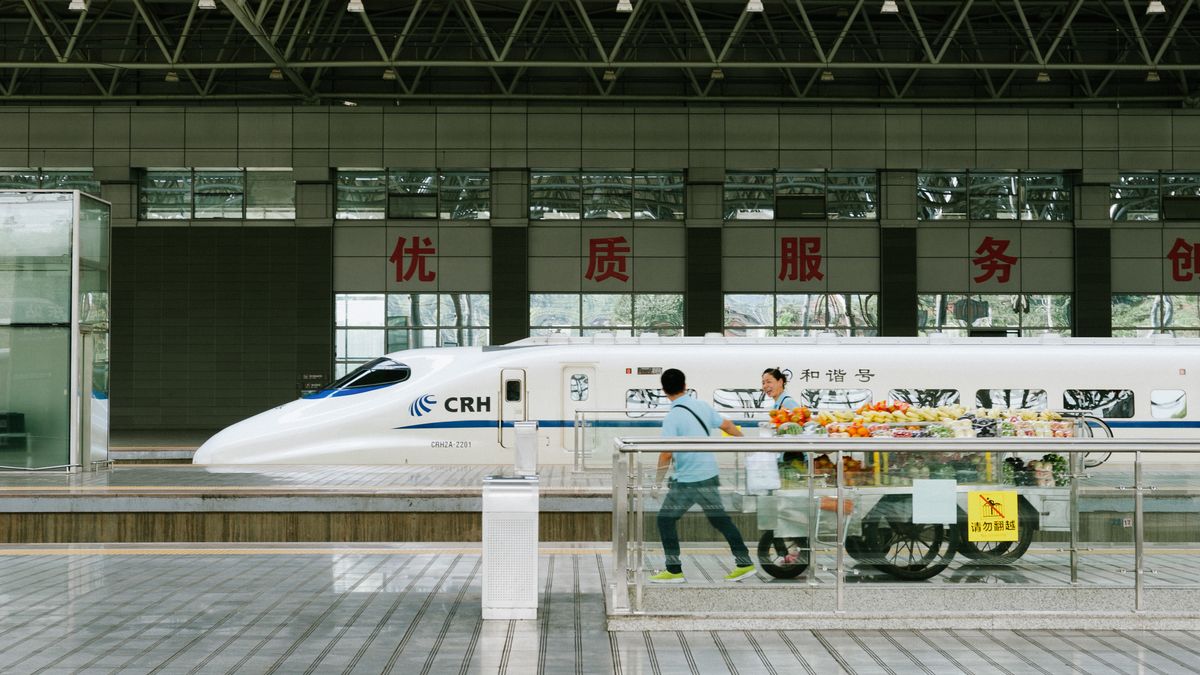
- Gateway to China. Beijing’s high-speed rail network connects you to dozens of cities. Xi’an is four hours away, Shanghai is four and a half, and Tianjin is just 30 minutes. See our train tickets guide for how to book.
- Affordable for what you get. Compared to London, Paris, or Tokyo, Beijing offers extraordinary value. World-class meals for under $15, subway rides for less than $1, and admission to imperial palaces for a few dollars.
Top Attractions
The Great Wall: Mutianyu vs Badaling
Let’s get the big one out of the way first. The Great Wall is everything you imagine it to be — and more. The sheer scale is impossible to grasp until you are standing on it, watching it snake across mountain ridges in both directions until it disappears into the haze.
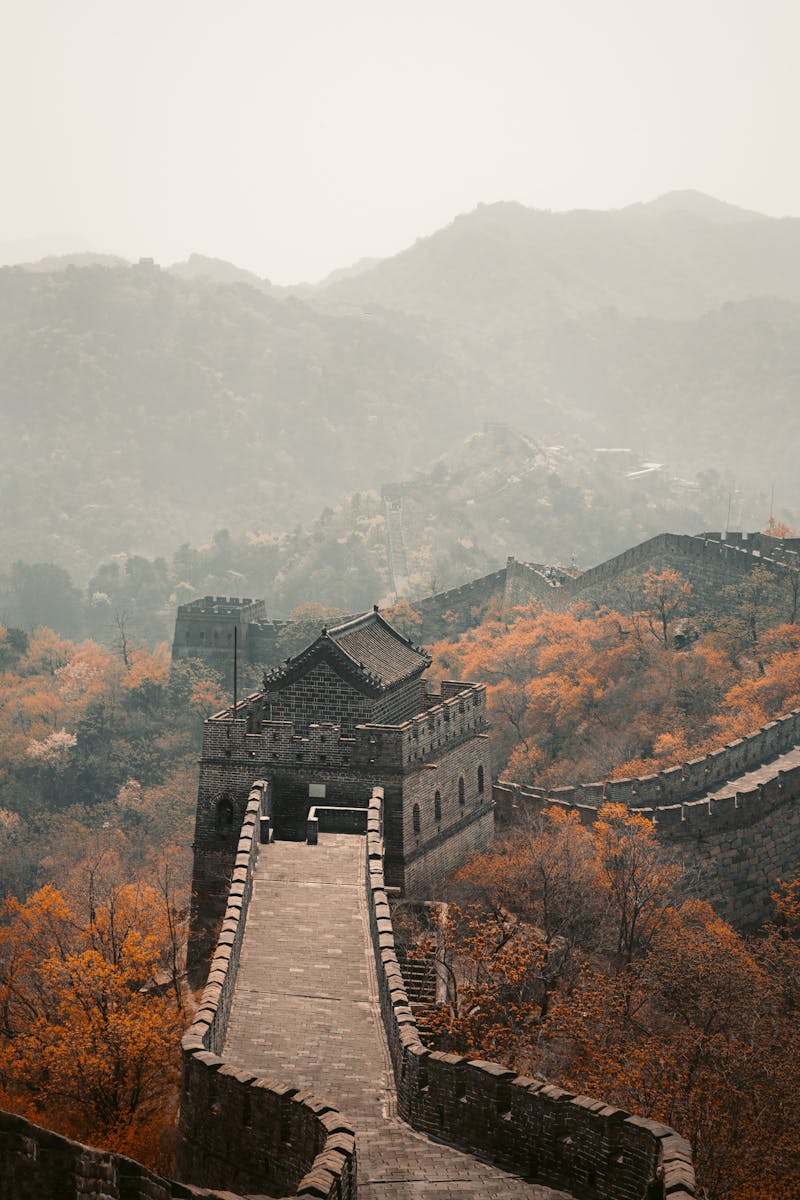
The question is not whether to go, but which section to visit. The two most popular options from Beijing:
Mutianyu is the section most experienced travelers recommend, and for good reason. It is well-restored but far less crowded than Badaling, set among forested mountains that are stunning in every season (especially autumn). There is a cable car up and a toboggan ride down, which is genuinely fun. The wall here has wide walkways and well-preserved watchtowers. It is about 75 km northeast of central Beijing, roughly a 90-minute drive.
- Admission: 40 CNY (about $5.50)
- Cable car: 120 CNY round trip
- Toboggan: 100 CNY
- Best for: First-time visitors who want great photos without the crushing crowds
Badaling is the most famous and most visited section. It is closer to the city (about 60 km northwest, roughly one hour by car), fully wheelchair-accessible in parts, and heavily restored. The downside is obvious: it can be extremely crowded, especially on weekends and holidays. Buses from Deshengmen take you there for about 12 CNY, and the S2 train from Beijing North station costs around 6 CNY.
- Admission: 45 CNY (April-October), 40 CNY (November-March)
- Best for: Travelers with limited time or mobility concerns
Pro tip: Whichever section you choose, arrive early. The gates open around 7:30 AM, and the first two hours are the most peaceful. By 10 AM, tour buses start arriving in waves.
For a wilder, less touristy experience, consider Jinshanling (about 2.5 hours from Beijing). It offers partially unrestored sections with dramatic scenery and far fewer visitors, but requires more physical effort.
The Forbidden City (Palace Museum)
The Forbidden City is the largest palace complex in the world — 980 buildings spread across 72 hectares, home to 24 emperors across two dynasties. Walking through its gates feels like stepping into another era entirely.
What you need to know:
- Admission: 60 CNY (April-October), 40 CNY (November-March). You must book tickets online in advance through the Palace Museum website or app — walk-up tickets are not available. During peak season, tickets can sell out days ahead, so book early.
- Bring your passport. You need it to enter.
- Allow 3-4 hours minimum. The complex is enormous. Most visitors enter from the south (Meridian Gate, near Tiananmen) and exit north (Gate of Divine Prowess).
- Do not skip the side halls. Most tourists follow the central axis and miss the quieter eastern and western wings, where you will find the treasure gallery, the clock exhibition hall (10 CNY extra, absolutely worth it), and rooms with far fewer crowds.
- Audio guide: 20 CNY. Available in multiple languages and genuinely useful for understanding what you are looking at.
The Forbidden City is closed on Mondays.
Temple of Heaven
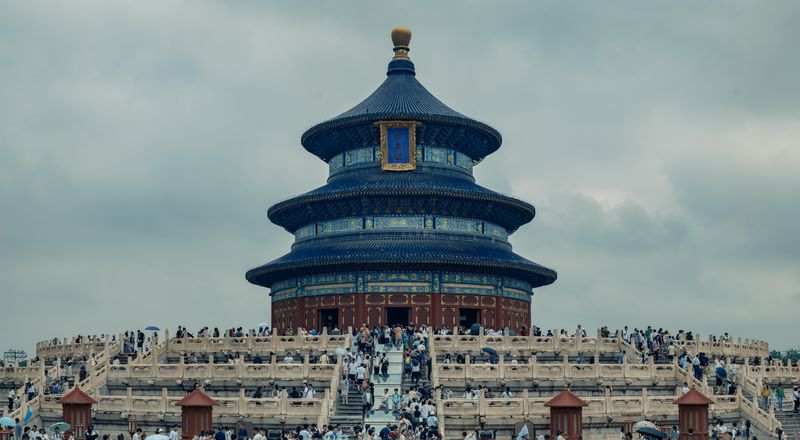
The Temple of Heaven complex is where Ming and Qing dynasty emperors performed annual ceremonies to pray for good harvests. The iconic Hall of Prayer for Good Harvests — that triple-tiered circular building you have seen in every photo of Beijing — is even more impressive in person, with its intricate wooden construction assembled entirely without nails.
But the real magic of the Temple of Heaven is the surrounding park. Visit early in the morning and you will find hundreds of locals practicing tai chi, singing in choirs, playing cards, dancing, and exercising. It is one of the best windows into everyday Beijing life.
- Admission: 15 CNY for the park; 34 CNY for the park plus all buildings (April-October). Slightly cheaper in winter.
- Best time to visit: Early morning for the local atmosphere, or late afternoon for golden light on the buildings.
Summer Palace
The Summer Palace is a sprawling imperial garden on the northwest edge of Beijing, built around the enormous Kunming Lake. It was the royal family’s retreat from the stifling heat of the Forbidden City, and you can see why — the grounds are beautiful, with covered walkways, ornate pavilions, temples on hilltops, and lake views in every direction.
Highlights include the Long Corridor (a 728-meter-long covered walkway with over 14,000 painted scenes), the Marble Boat, and the Tower of Buddhist Incense.
- Admission: 30 CNY (park only), 60 CNY (park plus all venues), April-October. Slightly cheaper November-March.
- Allow 2-3 hours. You can take a dragon boat across the lake if your legs need a break.
- Getting there: Subway Line 4 to Beigongmen station.
Tiananmen Square
The largest public square in the world sits at the symbolic center of modern China, flanked by the National Museum of China, the Great Hall of the People, and the Mao Zedong Mausoleum. Even if you do not go inside any of the buildings, simply standing in the square and absorbing its scale is a memorable experience.
The flag-raising ceremony at sunrise draws crowds every morning — soldiers march out from the Forbidden City gate and raise the flag in a precise military ceremony timed to the exact minute of sunrise. It is free to watch and worth the early alarm.
- Admission: Free (security checkpoint required to enter the square)
- National Museum of China: Free, but book online in advance. One of the best museums in Asia.
Hutong and Local Life
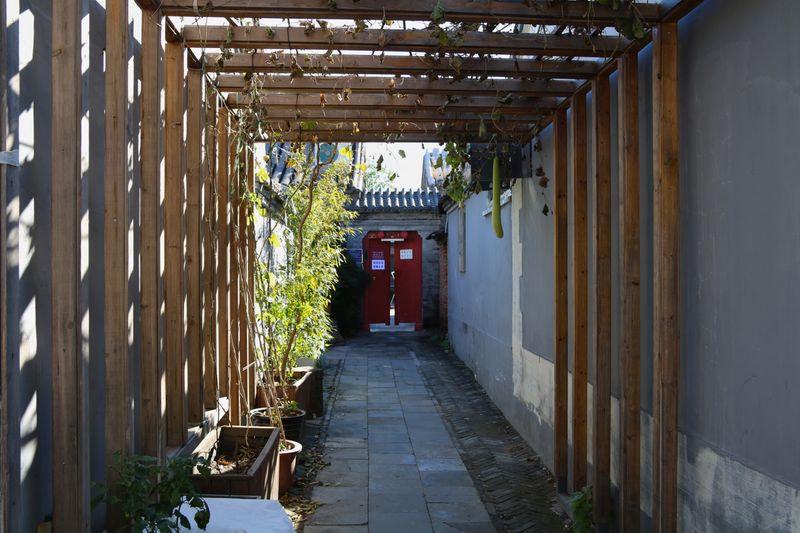
Beijing’s hutongs — narrow alleyways lined with traditional courtyard homes — are where the city’s soul lives. While the grand palaces show you imperial China, the hutongs show you how ordinary Beijingers have lived for centuries. Many date back to the Yuan, Ming, and Qing dynasties.
Nanluoguxiang
This is the most famous hutong street and, honestly, the most commercialized. The 800-meter-long lane is packed with souvenir shops, ice cream stalls, and cafes. It is touristy, yes, but it is also lively and photogenic, and it serves as a good introduction to hutong architecture. Visit on a weekday to avoid the worst crowds. The real treasures are in the smaller alleys that branch off the main strip — wander into those and the tourist crowds disappear within 30 seconds.
Wudaoying Hutong
A much better pick for travelers who want character without the circus. Wudaoying runs parallel to the Yonghegong Lama Temple and is lined with independent coffee shops, vintage stores, tiny galleries, and excellent small restaurants. It has the charm of Nanluoguxiang circa 2010, before the tour buses arrived. Pair it with a visit to the nearby Lama Temple (25 CNY admission), one of Beijing’s most impressive active Buddhist temples.
Rickshaw Tours
Hutong rickshaw tours are available throughout the Shichahai (Houhai Lake) area for around 150-200 CNY per person. Your driver pedals you through narrow lanes, stopping at a courtyard home and sometimes a local family’s house. It is undeniably touristy, but it is also genuinely fun and a decent way to cover ground if you have limited time. Negotiate the price before you hop on.
Courtyard Hotels
One of the best ways to experience hutong life is to sleep in it. Several traditional courtyard homes (siheyuan) have been converted into boutique hotels. They are charming, quiet, and give you an experience no chain hotel can match.
- The Orchid (Dongcheng, near the Drum Tower) — A beautifully restored courtyard hotel with a rooftop bar overlooking the hutongs. Rooms from around 800-1,200 CNY per night.
- Hotel Cote Cour Beijing — A luxury siheyuan in a quiet hutong near Nanluoguxiang. Intimate, stylish, and with excellent service. Rooms from 1,500 CNY.
- Beijing Sihe Courtyard Hotel — A more budget-friendly option that still delivers genuine courtyard atmosphere. Rooms from 400-600 CNY.
Beijing Food Guide
Beijing’s food scene is reason enough to visit. The city has its own distinct culinary identity — hearty, savory, wheaten — shaped by cold winters and centuries of imperial influence.
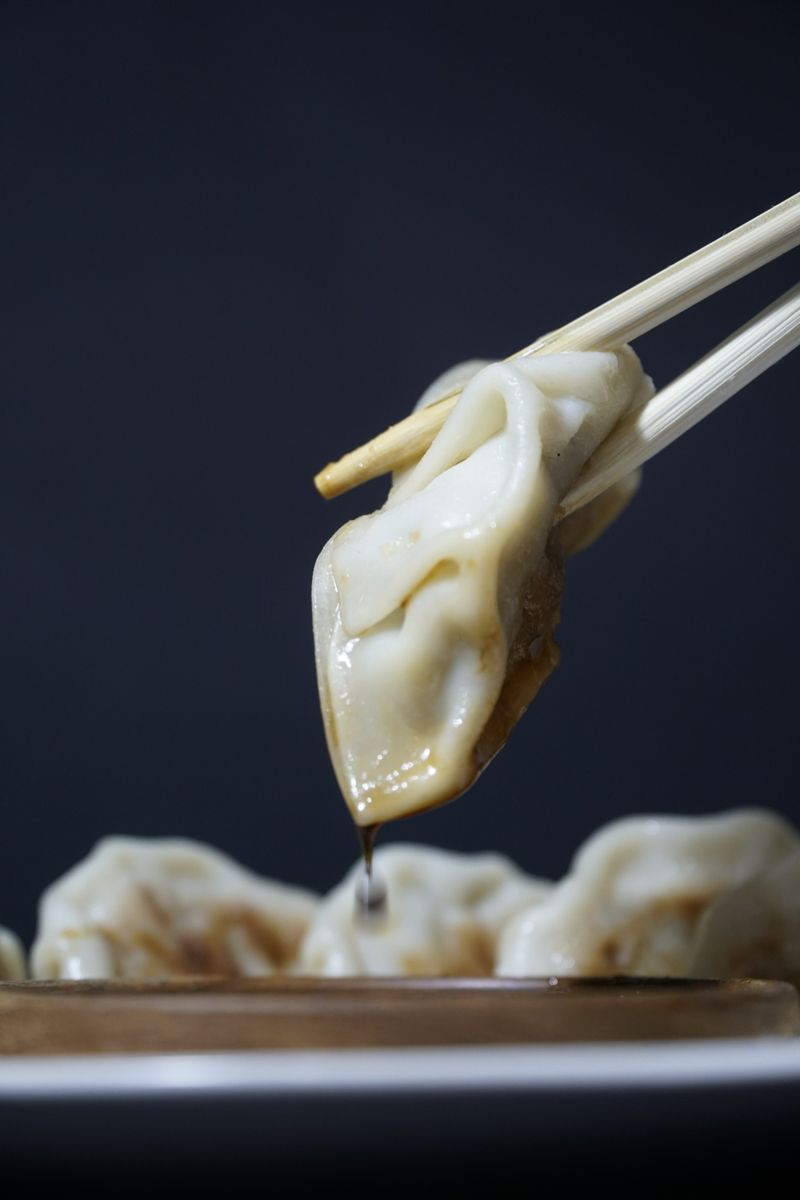
Peking Duck: Dadong vs Quanjude
Peking duck is the city’s signature dish, and eating it in Beijing is a must. The duck is roasted until the skin turns impossibly crisp and lacquered, then carved tableside. You wrap thin slices of skin and meat in delicate pancakes with scallion, cucumber, and sweet bean sauce.
Quanjude has been serving Peking duck since 1864 and is the most historically significant duck restaurant in the city. The flagship location is at Qianmen. A whole duck costs around 300-350 CNY. The duck is good — the experience is traditional and a bit formal. Service can be uneven, and some locals consider it more of a tourist institution than a top food destination these days.
Da Dong (Dadong) is the modern challenger that many food critics and locals now prefer. Chef Dong Zhenxiang pioneered a technique that produces an ultra-crisp, less fatty skin. The restaurant itself is sleek and contemporary. A whole duck runs about 350-400 CNY. The Jinbao Place and Nanxincang locations are the most popular. Book ahead — Da Dong fills up, especially on weekends.
Siji Minfu is the dark horse recommendation. Locals love it, the duck is excellent, and prices are slightly lower (around 200-280 CNY for a whole duck). The Dengshikou branch near Wangfujing consistently has long lines, which tells you everything about the quality.
A whole duck feeds 2-3 people generously. Most restaurants will also make soup from the carcass at no extra charge — always say yes.
Jianbing (Savory Crepes)
Jianbing is Beijing’s ultimate breakfast food and one of the best street eats in China. A thin batter is spread on a round griddle, topped with an egg, chopped scallions, cilantro, and crispy fried dough (youtiao or baocui), then folded and brushed with sweet bean and chili sauces. The whole thing costs 8-15 CNY and takes about two minutes to make. Look for the long morning lines — that is where the good ones are. For more street food ideas, see our complete China street food guide.
Zhajiangmian (Fried Sauce Noodles)
Beijing’s signature noodle dish: thick hand-pulled noodles topped with a dark, savory sauce made from fermented soybean paste (tianmianjiang) and minced pork, served with julienned cucumber, radish, edamame, and bean sprouts. You mix everything together at the table. A bowl at a good noodle shop runs 25-40 CNY. Hai Wan Ju near Houhai is a local favorite with a no-frills atmosphere and outstanding noodles.
Hotpot
Beijing-style hotpot (shuan yangrou) is distinct from the Sichuan version. It uses a traditional copper pot with a chimney in the center, filled with a clear, mildly flavored broth. Paper-thin slices of lamb are the star — you swish them in the bubbling broth for seconds, then dip them in a sesame paste sauce. It is simple, deeply satisfying, and perfect for cold evenings.
Dong Lai Shun, with branches across the city, has been the gold standard for Beijing-style lamb hotpot since 1903. The lamb is sliced so thin you can almost see through it. Expect to spend 100-150 CNY per person.
For Sichuan-style hotpot (fiery, mouth-numbing, and wildly addictive), Haidilao is everywhere and famous for its over-the-top service — free manicures while you wait, dancing noodle performances, and birthday celebrations. Budget 120-180 CNY per person.
Night Markets and Wangfujing
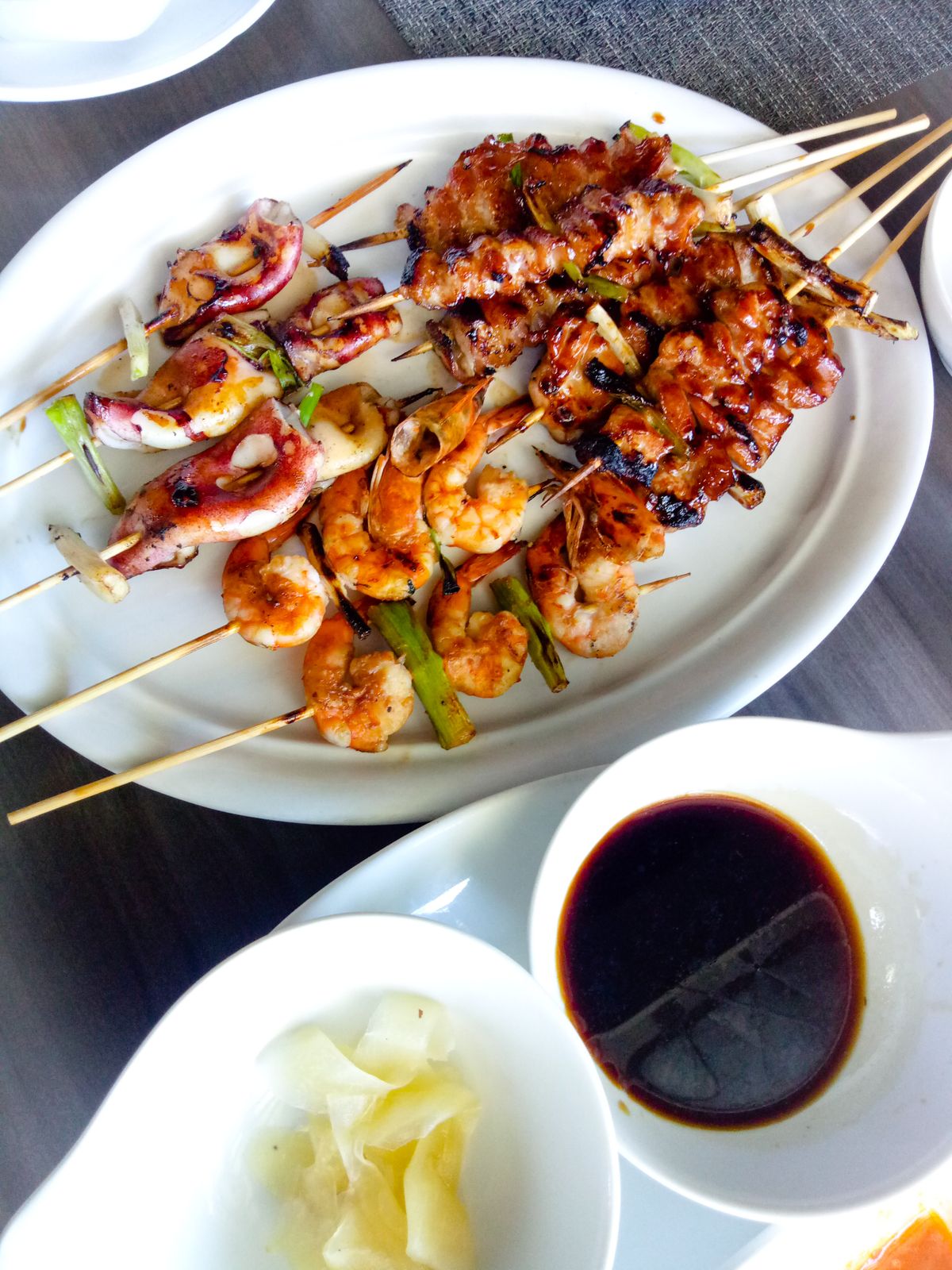
Wangfujing Snack Street is Beijing’s most famous food street and the one you will see in every travel video. It has been cleaned up and renovated in recent years. You will find scorpions on sticks, fruit candy (tanghulu), stinky tofu, and lamb skewers. Be aware: the scorpions and exotic items are priced for tourists (30-50 CNY each) and are not something locals actually eat. The real food finds are the stands selling roujiamo (Chinese “burgers”), grilled squid, and egg waffles.
For a more authentic night food experience, head to Guijie (Ghost Street), a kilometer-long strip near Beixinqiao subway station that comes alive at night. It is famous for spicy crayfish (xiaolongxia) and hot-and-sour fish. Restaurants stay open until the early morning hours. This is where Beijingers actually go for late-night eating.
Getting Around Beijing
Beijing is sprawling — the city covers over 16,000 square kilometers — but the transit infrastructure is excellent. Here is how to move around efficiently.
Subway
The Beijing subway is your best friend. It is the fastest, cheapest, and most reliable way to get around the city. The network has over 27 lines and 450+ stations covering virtually every major attraction and neighborhood.
- Fare: 3-10 CNY depending on distance. Most in-city rides are 3-5 CNY.
- Hours: Roughly 5:00 AM to 11:00 PM (varies by line).
- Payment: You can tap in with a registered Alipay or WeChat Pay transit QR code, Apple Pay with a linked Beijing transit card, or buy a physical Yikatong transit card (refundable 20 CNY deposit) at any station. See our payment guide for how to set up mobile payments before your trip.
- Signage: All station names and directions are in both Chinese and English (Pinyin). Announcements are bilingual too.
- Security: Every station has airport-style bag scanners. It adds a minute to your journey but is painless.
Didi (Ride-Hailing)
Didi is China’s Uber and it works just as smoothly. The app has an English interface, you can pay with an international credit card, and it is significantly cheaper than taxis. A 20-minute ride across central Beijing typically costs 25-50 CNY.
Didi is especially useful for reaching places the subway does not go easily (like the Great Wall sections) or for getting around late at night. Read our complete Didi guide for setup instructions and tips.
Buses
Beijing’s bus network is enormous and incredibly cheap (most rides are 2 CNY), but it is harder to navigate as a non-Chinese speaker. Route information is primarily in Chinese, and buses can be slow in traffic. Stick to the subway and Didi unless you are comfortable with the system.
Bike Sharing
Shared bikes from Meituan (yellow) and Hellobike (blue) are everywhere in Beijing. They cost about 1.5-2.5 CNY per ride and are perfect for short hops, especially through the hutong neighborhoods where streets are too narrow for cars. You will need a Chinese phone number and Alipay or WeChat Pay to unlock them. Check our best apps guide for details.
Airport to City Center
Beijing has two major airports:
Beijing Capital International Airport (PEK) is the older, more established airport about 25 km northeast of the city center. The Airport Express train takes you to Dongzhimen or Sanyuanqiao subway stations in about 25 minutes for 25 CNY. Taxis to central hotels cost 100-150 CNY (including the 10 CNY airport toll).
Beijing Daxing International Airport (PKX) is the newer, architecturally stunning airport about 46 km south of the city. The Daxing Airport Express connects to Caoqiao station on Line 10 in about 20 minutes for 35 CNY. Taxis to central Beijing run 150-250 CNY depending on your destination.
Both airports also have Didi pickup zones. Always use the meter or app — never accept a “flat rate” from drivers soliciting in the arrivals hall.
Best Areas to Stay
Where you stay in Beijing significantly affects your experience. The city is enormous, so being near a subway line is non-negotiable.
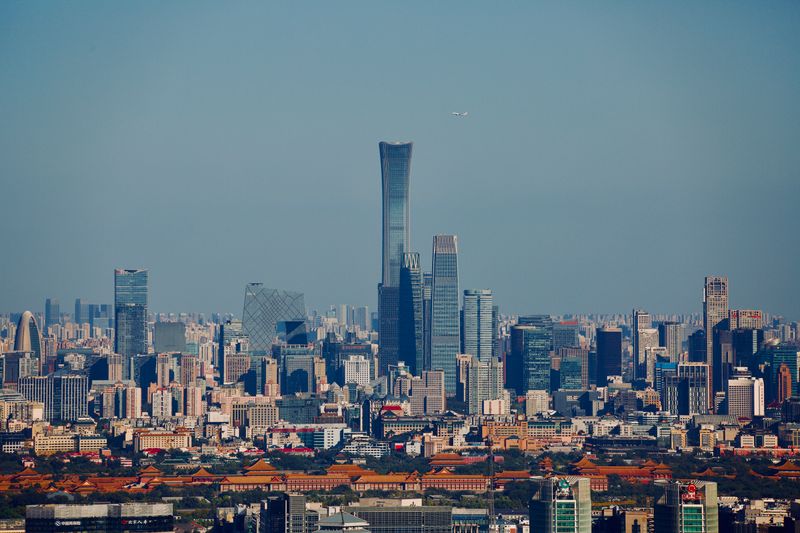
Dongcheng District
Best for: First-time visitors, history lovers, hutong explorers
Dongcheng is the heart of historic Beijing. The Forbidden City, Temple of Heaven, Wangfujing, Nanluoguxiang, and the Lama Temple are all here. You can walk to many major sights, and the hutong neighborhoods give you an authentic neighborhood feel. Subway Lines 1, 2, 5, 6, and 8 all run through the district.
- Luxury: The Peninsula Beijing (from ~2,500 CNY/night) — Impeccable service, walking distance to the Forbidden City
- Mid-range: Novotel Beijing Peace (from ~600 CNY/night) — Solid location on Wangfujing
- Budget/Boutique: Courtyard hotels in the hutongs (400-800 CNY/night)
Xicheng District
Best for: Culture, lakes, a slightly quieter base
Xicheng sits west of Dongcheng and includes the beautiful Houhai Lake area, Beihai Park, the National Centre for the Performing Arts, and some of Beijing’s best-preserved hutongs. It is slightly less hectic than Dongcheng while still being very central.
- Standout pick: Waldorf Astoria Beijing (Xicheng border area) for luxury; Houhai-area courtyard hotels for atmosphere.
Sanlitun
Best for: Nightlife, dining, modern Beijing
Sanlitun is Beijing’s most international neighborhood. It is packed with restaurants, bars, embassies, and the massive Taikoo Li shopping complex. If you want craft cocktails, international cuisine, and a buzzy social scene, this is your base. It is well-connected by subway (Lines 10 and 17, Tuanjiehu or Sanlitun station).
- Popular choices: The Opposite House (from ~1,800 CNY/night) — A design-forward hotel that is a Beijing institution. InterContinental Beijing Sanlitun (from ~1,000 CNY/night).
General Advice
Stay within walking distance of a subway station on Lines 1, 2, 5, or 10 — these lines connect the most useful parts of the city. Avoid staying far out in the suburbs unless you have a specific reason. Beijing traffic can be brutal, and being near the subway saves you enormous amounts of time.
Day Trips from Beijing
Beijing’s location and high-speed rail connections make several excellent day trips possible.
Chengde
The former summer retreat of the Qing emperors, Chengde is home to the Mountain Resort (the largest imperial garden in China) and the stunning Eight Outer Temples, including the Putuo Zongcheng Temple modeled after Tibet’s Potala Palace. It is about 2.5 hours by train from Beijing. Chengde sees a fraction of the tourists that Beijing gets, and the temples and gardens are magnificent. Book train tickets in advance through the 12306 app — our train tickets guide walks you through the process step by step.
Tianjin
Just 30 minutes by high-speed rail from Beijing South station, Tianjin is one of the easiest and most rewarding day trips you can make. The city has gorgeous European-style architecture along the Haihe River (a legacy of the old foreign concessions), excellent street food (Tianjin’s goubuli baozi steamed buns are legendary), and the bustling Ancient Culture Street. Trains run every few minutes and cost about 55 CNY for a second-class seat.
Simatai and Gubei Water Town
Simatai is the only Great Wall section open for night visits. The wall here is partially unrestored and dramatically lit after dark — the views are unlike anything at Mutianyu or Badaling. It sits adjacent to Gubei Water Town, a purpose-built canal town with hotels, restaurants, and hot springs. Together they make a fantastic overnight trip. The drive from Beijing takes about 2-2.5 hours; shuttle buses run from Dongzhimen.
Practical Tips
Weather by Season
Beijing has four very distinct seasons, and when you visit dramatically affects your experience.
- Spring (March-May): Warming up (10-26 C), occasional sandstorms in March and early April. April and May are pleasant, with blooming gardens at the Summer Palace and Temple of Heaven.
- Summer (June-August): Hot and humid (30-35 C), with heavy rain in July and August. The Great Wall can be sweltering. Mornings and evenings are the best times for outdoor sightseeing.
- Autumn (September-November): The best time to visit. Clear skies, comfortable temperatures (10-25 C), stunning fall foliage at the Great Wall and in the parks. October is peak season after National Day (October 1-7), so book early.
- Winter (December-February): Cold (down to -10 C), but dry and sunny. Crowds thin out dramatically, prices drop, and seeing the Forbidden City or Great Wall dusted with snow is unforgettable. Dress in layers and bring a serious coat.
Air Quality
Beijing’s air quality has improved significantly in recent years, but pollution days still happen, particularly in winter. Check the AQI (Air Quality Index) daily using the IQAir app or website. On days above 150 AQI, an N95 or KN95 mask is a good idea, especially if you have respiratory sensitivities. Pharmacies and convenience stores sell them cheaply. Do not let air quality fears stop you from visiting — many days are perfectly clear, and you can plan outdoor activities around the forecast.
VPN and Internet
Google, Instagram, WhatsApp, YouTube, and many Western apps and websites are blocked in China. You will need a VPN to access them. Download and set up your VPN before you arrive — VPN websites are also blocked within China, so you cannot easily download one once you land.
Additionally, get a local eSIM or SIM card so you have reliable data. We have a detailed eSIM guide that covers the best options and how to set them up before your flight. Having a working phone with data is essential for maps, translation, ride-hailing, and payments.
Language Tips
Most Beijingers do not speak much English, and that is fine. You can navigate the city very well with these tools:
- Translation apps: Download Google Translate (with the Chinese offline pack) or, even better, install the Baidu Translate app which works without a VPN. The camera feature that translates text in real-time is a lifesaver for menus and signs.
- Learn a few phrases: Nihao (hello), xiexie (thank you), duoshao qian (how much?), zhege (this one), and bu yao (don’t want/no thanks) will cover a surprising number of daily interactions.
- Screenshot everything. Save your hotel address in Chinese characters on your phone. Show it to taxi drivers and subway staff when needed.
Check our best apps for China travel for the full list of apps worth installing before your trip.
Cash vs Mobile Pay
China runs on mobile payments — Alipay and WeChat Pay are used for essentially everything, from restaurants and subway fares to street food vendors and vending machines. The good news is that both apps now support linking international credit cards, though functionality can be slightly limited compared to domestic accounts.
Set up Alipay and add your Visa or Mastercard before your trip. Our payment guide has the full walkthrough. Carry some cash as backup (a few hundred CNY), but expect to use your phone for 90% of transactions.
International credit cards (Visa, Mastercard) are accepted at upscale hotels, some large restaurants, and airport shops, but not at most everyday places. Do not rely on plastic alone.
Suggested Itineraries
3-Day Itinerary: The Essentials
This is tight but doable, especially if you are visiting under the 144-hour visa-free transit policy.
Day 1: Imperial Beijing Morning at the Forbidden City (arrive when gates open at 8:30 AM, allow 3-4 hours). Walk south through Tiananmen Square. Afternoon at the Temple of Heaven and its park. Evening Peking duck dinner at Siji Minfu or Da Dong.
Day 2: The Great Wall Full day at Mutianyu. Leave your hotel by 7:00 AM to beat the crowds. Take the cable car up, walk the wall for 2-3 hours, and toboggan down. Back in the city by late afternoon. Evening at Guijie (Ghost Street) for spicy crayfish and cold beer.
Day 3: Hutongs and Local Life Morning exploring the Wudaoying and Nanluoguxiang hutongs. Visit the Lama Temple. Jianbing for breakfast from a street stall. Afternoon at the Summer Palace. Evening at Houhai Lake for bar-hopping or a quiet lakeside walk.
5-Day Itinerary: The Full Picture
Follow the 3-day itinerary above, then add:
Day 4: Art, Parks, and Modern Beijing Morning at the 798 Art District (a massive former factory complex turned contemporary art hub — free to enter, individual galleries may charge 10-50 CNY). Afternoon at Beihai Park (10 CNY admission), one of the oldest imperial gardens in China. Evening in Sanlitun for dinner at one of the neighborhood’s many international restaurants, followed by cocktails at a rooftop bar.
Day 5: Day Trip to Tianjin Take the 30-minute high-speed train to Tianjin. Walk the Five Great Avenues historic district with its European architecture. Eat goubuli baozi and jianbing guozi (Tianjin’s version is different from Beijing’s). Visit the Italian Style Quarter and the Eye of Tianjin ferris wheel on the Haihe River. Train back to Beijing in the evening.
7-Day Itinerary: Deep Dive
Follow the 5-day itinerary above, then add:
Day 6: Simatai Great Wall and Gubei Water Town Early morning departure to Gubei Water Town (about 2.5 hours by car or shuttle bus). Explore the canal town during the day. Hike the Simatai Great Wall in the late afternoon and stay for the spectacular night lighting. Overnight in Gubei Water Town — several hotels and guesthouses are available (rooms from 500-1,500 CNY).
Day 7: Markets, Shopping, and Final Exploration Morning return from Gubei to Beijing. Visit the Panjiayuan Antique Market (weekends are best, though stalls operate daily) — Beijing’s largest flea market with antiques, Mao memorabilia, jade, ceramics, and art. Bargain hard; opening prices are typically 3-5 times the real price. Afternoon for any sights you missed or last-minute shopping on Wangfujing. Farewell dinner of Beijing-style hotpot at Dong Lai Shun.
Beijing rewards every minute you give it. Three days will leave you wanting more. A week will give you a deep appreciation for one of the world’s great cities. And no matter how long you stay, you will leave planning your next trip back.
Ready to start planning? Get your connectivity sorted with our eSIM guide, set up payments with our payment guide, and check your visa eligibility in our visa-free guide.
Frequently Asked Questions
How many days do you need in Beijing?
3-4 days is ideal. Day 1: Forbidden City and Tiananmen Square. Day 2: Great Wall (Mutianyu section). Day 3: Temple of Heaven, Summer Palace. Day 4: Hutongs, 798 Art District.
Which section of the Great Wall should I visit?
Mutianyu is the best for most tourists — restored but not overcrowded, with a cable car. Badaling is the most famous but very crowded. Jinshanling is best for hikers and photographers.