
Best Time to Visit China (2026): Month-by-Month Guide
Picking the best time to visit China can make or break your trip. Visit during the wrong week and you’ll share the Great Wall with 80,000 other people. Visit at the right time and you’ll get perfect weather, lower prices, and a far more enjoyable experience.
China is massive — spanning from subarctic Harbin in the north to tropical Hainan in the south — so “the best time” depends on where you’re going and what you want to do. This guide breaks it all down month by month, so you can plan with confidence.
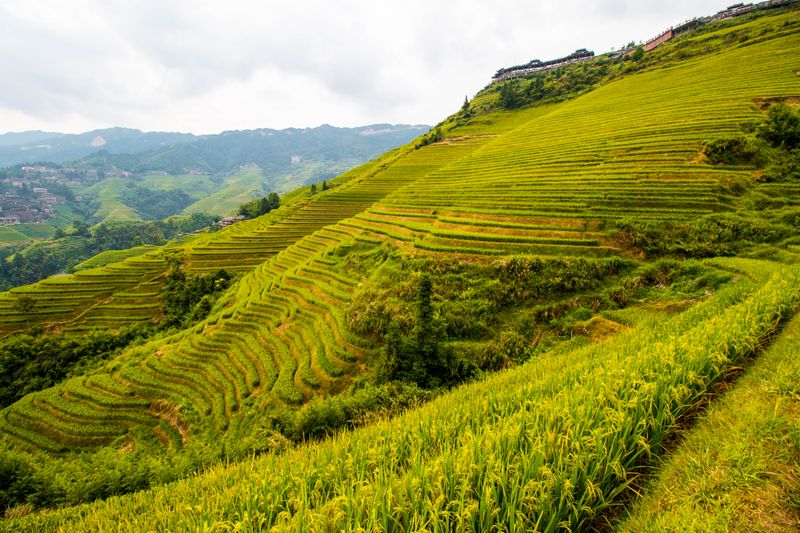
Quick Overview: China Travel Seasons at a Glance
| Season | Months | Weather | Crowds | Price Level | Best For |
|---|---|---|---|---|---|
| Spring | March – May | Mild, some rain | Low to moderate | Mid | Cherry blossoms, mild hiking, fewer tourists |
| Summer | June – August | Hot and humid | High | High | Silk Road, Tibet, Inner Mongolia, mountain escapes |
| Autumn | September – November | Cool, dry, clear | Moderate (except Oct Golden Week) | Mid–High | Photography, Great Wall, Yunnan, overall best weather |
| Winter | December – February | Cold in north, mild in south | Low (except Chinese New Year) | Low | Budget travel, Harbin Ice Festival, Hainan beaches |
The short answer: For most first-time visitors, mid-September to late October (avoiding Oct 1-7 Golden Week) and April to mid-May (avoiding May 1-5) offer the best combination of weather, crowd levels, and prices.
Month-by-Month Breakdown
January
Weather: Cold across most of China. Beijing averages -3°C to 3°C (27–37°F). Shanghai sits around 1–8°C (34–46°F). Southern cities like Guangzhou remain mild at 10–18°C (50–64°F). Hainan Island stays warm at 18–25°C (64–77°F).
What to expect: January is low season almost everywhere. Hotel prices drop significantly, attractions are uncrowded, and you’ll have a much more local experience. The exception is the run-up to Chinese New Year (Spring Festival), which falls on a different date each year — in 2026 it’s February 17. As the holiday approaches, domestic travel surges and flights/trains get booked out.
Recommended destinations: Harbin (for the incredible Ice and Snow Festival, running from late December through February), Hainan Island (beach escape), Yunnan (mild winters in Kunming and Dali).
Pack: Heavy winter coat, thermals, and layers for the north. A light jacket is enough for the far south.
February
Weather: Similar to January. Still cold in central and northern China, but you’ll start to notice days getting a little longer toward the end of the month.
What to expect: February is dominated by Chinese New Year (Spring Festival) — the biggest holiday in China. In 2026, the Spring Festival falls on February 17, with the official holiday running roughly February 15–23. This is the largest annual human migration on Earth. Hundreds of millions of people travel home for the holiday.
What this means for you:
- Trains and flights sell out weeks in advance and prices spike
- Many shops, restaurants, and small businesses close for a week or more
- Major tourist cities like Beijing and Shanghai actually get quieter (locals leave to visit family), but transport hubs are chaos
- Smaller towns and rural areas come alive with celebrations — firecrackers, temple fairs, red lanterns everywhere
If you’re okay with some logistical challenges, experiencing Chinese New Year firsthand is unforgettable. But if this is your first visit and you want things to run smoothly, avoid the two weeks around Spring Festival.
Recommended destinations: Harbin Ice Festival is still going strong. Pingyao (Shanxi) has famous Spring Festival celebrations. Hong Kong and Macau are festive without the same level of disruption.
Pack: Same as January — full winter gear for the north.
March
Weather: China starts to warm up. Beijing: 2–12°C (36–54°F). Shanghai: 5–13°C (41–55°F). Southern cities push toward 15–22°C (59–72°F). It can be dusty and windy in northern China (Beijing occasionally gets sandstorms from the Gobi Desert).
What to expect: March is the start of spring and one of the quietest months for tourism. Prices are low, crowds are thin, and the weather is warming but still inconsistent. Some mountain attractions may still have limited access due to winter closures.
Recommended destinations: Wuyuan (Jiangxi) for rapeseed flower fields. Luoping (Yunnan) for golden canola fields. Shanghai and Hangzhou as the West Lake area starts to bloom.
Pack: Layers — mornings and evenings can be chilly, but afternoons are pleasant. A light rain jacket is useful.
April
Weather: One of the best months for weather across China. Beijing: 9–20°C (48–68°F). Shanghai: 11–20°C (52–68°F). Guilin and southern China are warm and lush. Occasional spring rain in central and eastern China.
What to expect: April is a sweet spot. The weather is comfortable nearly everywhere, flowers are blooming, and tourist crowds haven’t ramped up yet. This is one of the best months for a first trip to China.
Recommended destinations: Beijing (the Forbidden City and Great Wall without summer crowds), Guilin and Yangshuo (the famous karst mountains look spectacular in spring mist), Suzhou and Hangzhou (garden season), Zhangjiajie (the Avatar mountains — lush and green).
Pack: Light layers, a rain jacket, comfortable walking shoes. You won’t need heavy winter gear anywhere except high-altitude destinations like Tibet.
May
Weather: Warm to hot across most of China. Beijing: 15–27°C (59–81°F). Shanghai: 16–25°C (61–77°F). Southern China gets hot and humid. The rainy season starts creeping into southern and central regions.
What to expect: Early May is nice, but there’s a major catch:
Golden Week Warning: May 1–5 (Labor Day Holiday) China’s entire workforce gets these days off. Domestic tourism explodes. Popular attractions hit capacity limits — Zhangjiajie, the Great Wall, West Lake, and similar sites become shoulder-to-shoulder. Hotel prices double or triple. Train tickets sell out days in advance. Avoid these dates if at all possible.
The second half of May is excellent. Crowds dissipate quickly after the holiday, weather is warm, and prices return to normal.
Recommended destinations (mid-to-late May): Chengdu and Sichuan (warm but not yet sweltering, great for panda visits), Xi’an (Terracotta Warriors without peak-season crowds), Yunnan (Lijiang, Dali, and Shangri-La are gorgeous in late spring).
Pack: Light summer clothing, sunscreen, a hat, and a rain jacket for afternoon showers.
June
Weather: Hot and increasingly humid. Beijing: 20–31°C (68–88°F). Shanghai: 22–28°C (72–82°F) with heavy rain. Southern China enters the rainy season in full. Tropical storms can affect the southeast coast.
What to expect: June marks the start of the “plum rain” season (梅雨 méiyǔ) in the Yangtze River valley — expect persistent drizzle and high humidity in Shanghai, Hangzhou, Nanjing, and surrounding areas. Northern China is drier and more comfortable. Tourist numbers pick up as Chinese students finish exams.
Recommended destinations: The Silk Road (Gansu, Dunhuang — dry and warming up nicely), Inner Mongolia (grasslands turn green), Qinghai Lake, Tibet (the best season starts now).
Pack: Light, breathable clothing. Waterproof everything for eastern and southern China. Sunscreen is essential, especially at altitude.
July
Weather: Peak summer heat. Beijing: 23–31°C (73–88°F) with occasional heavy rain. Shanghai: 26–33°C (79–91°F), oppressively humid. Chongqing and Wuhan — China’s “furnace cities” — regularly exceed 38°C (100°F). Southern China is hot and wet.
What to expect: July is peak domestic travel season (school holidays). Popular sites are crowded and prices are at their highest. The heat in central and eastern China is brutal. However, this is prime time for high-altitude and western destinations where the weather is actually ideal.
Recommended destinations: Tibet (July–August is the best window), Xinjiang and the Silk Road (warm days, cool nights), Zhangbei Grasslands, Qingdao (coastal city with beer festival in August), mountain retreats like Moganshan or Lushan.
Pack: Light summer clothing, a hat, portable fan, sunscreen. Bring a light jacket if heading to high-altitude destinations.
August
Weather: Similar to July — hot, humid, and rainy in the east and south. Northern China can get heavy rainstorms. Typhoon season hits the southeast coast (Fujian, Guangdong, Zhejiang).
What to expect: Still peak season with school-holiday crowds. The heat can be truly exhausting in cities. August is the month when typhoons are most likely to disrupt travel on the southeast coast, potentially grounding flights and delaying trains. Keep an eye on weather forecasts if traveling near the coast.
Recommended destinations: Same as July — go west and go high. Tibet, Gansu, Xinjiang, Inner Mongolia, and Sichuan’s western highlands are all at their best. Jiuzhaigou Valley (if open) is stunning.
Pack: Same as July, plus a serious rain jacket. Consider quick-dry clothing.
September
Weather: The heat starts to break. Beijing: 15–27°C (59–81°F), with increasingly clear skies. Shanghai: 20–27°C (68–81°F), humidity dropping. Northern China cools beautifully. Southern China is still warm.
What to expect: September is arguably the single best month to visit China. The summer heat fades, autumn colors begin in the north, the sky is crisp and blue (especially in Beijing), and — critically — the October Golden Week crowds haven’t arrived yet. Prices are reasonable and most attractions are comfortably accessible.
Recommended destinations: Beijing (the best month for the Great Wall — clear skies, comfortable temperatures, manageable crowds), Xi’an, Guilin, Zhangjiajie, Sichuan, and honestly almost anywhere. This is peak “everything is good” time.
Pack: Light layers. A jacket for evenings in the north. Comfortable walking shoes.
October
Weather: Cool and pleasant in most of China. Beijing: 8–19°C (46–66°F). Shanghai: 14–22°C (57–72°F). Autumn foliage spreads across the country. Northern China gets crisp.
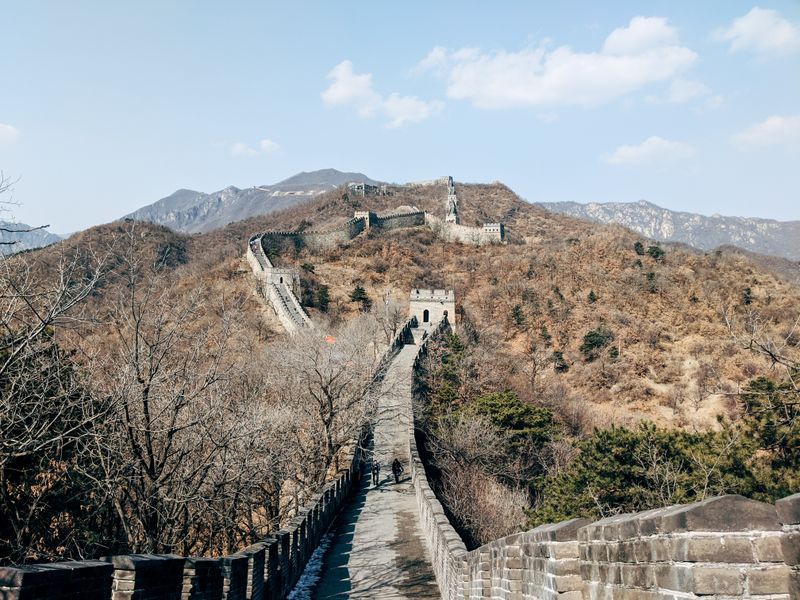
What to expect: October has the best autumn weather, but it comes with a massive caveat:
Golden Week Warning: October 1–7 (National Day Holiday) This is China’s biggest travel holiday alongside Spring Festival. Over 800 million domestic trips happen during this week. Every major attraction is packed to the point of being unpleasant. The Great Wall, Forbidden City, Huangshan, Zhangjiajie — all hit capacity limits daily. Hotel prices surge 2–5x. Trains sell out weeks ahead. If you can only visit China in October, come after October 8th.
Mid-to-late October is superb. The Golden Week crowds vanish almost overnight, autumn colors peak in central and northern China, and the weather is ideal for outdoor activities.
Recommended destinations (mid-to-late October): The Great Wall with autumn foliage, Jiuzhaigou (Sichuan) for legendary fall colors, Huangshan (Yellow Mountain) — a photographer’s paradise, Beijing’s Fragrant Hills for red leaves, Guilin and Yangshuo.
Pack: Light jacket, layers for morning and evening. A warm sweater for the north.
November
Weather: Cool to cold. Beijing: 0–10°C (32–50°F). Shanghai: 7–16°C (45–61°F). Southern China remains comfortable at 15–24°C (59–75°F). Autumn colors linger in the south while the north turns wintry.
What to expect: November is underrated. Northern China is getting cold, but southern and central China have gorgeous autumn weather. Crowds are low, prices drop, and you get a mix of late-autumn beauty and shoulder-season value. Flights and hotels are significantly cheaper than peak months.
Recommended destinations: Guilin and Yangshuo (pleasant weather, fewer crowds), Fujian (tulou roundhouses with autumn light), Yunnan (eternal spring in Kunming, beautiful in Lijiang), Hong Kong and Macau, Guangzhou.
Pack: Warm layers for the north, a medium jacket for central China, light layers for the south.
December
Weather: Cold in the north, mild in the south. Beijing: -5°C to 4°C (23–39°F). Shanghai: 2–9°C (36–48°F). Hainan: 18–25°C (64–77°F). Kunming: 3–16°C (37–61°F).
What to expect: December is firmly low season (except Hainan, which is peak season for Chinese domestic beach tourists). You’ll find the lowest prices of the year on flights and hotels in most cities. Attractions are empty. The trade-off is cold weather in the north and shorter daylight hours.
Recommended destinations: Hainan Island (China’s tropical escape — think Sanya beaches), Yunnan (Kunming, Dali, Lijiang — cool but sunny), Harbin (the Ice Festival starts in late December), Hong Kong (mild weather, festive atmosphere).
Pack: Full winter gear for the north. A medium jacket for central China. Light layers for Hainan and the far south.
Best Time to Visit by Interest
Best Months for Culture & Festivals
- February (Spring Festival/Chinese New Year): Temple fairs, fireworks, lantern festivals — an immersion in Chinese culture. Logistically challenging but culturally rich.
- September (Mid-Autumn Festival): Mooncakes, lanterns, family gatherings. Falls on a different date each year — check the lunar calendar.
- June (Dragon Boat Festival): Dragon boat races, zongzi (sticky rice dumplings), and river celebrations.
- January–February: Harbin Ice and Snow Festival — one of the most visually spectacular festivals in the world.
Best Months for Nature & Scenery

- April: Flower season — rapeseed fields, cherry blossoms, and lush green landscapes across southern and central China.
- Late September – Late October: Autumn foliage. Jiuzhaigou, Huangshan, and the Great Wall are at their most photogenic.
- July–August: Tibetan plateau wildflowers, Inner Mongolian grasslands, and the Silk Road landscapes at their most dramatic.
Best Months for Budget Travel
- March, November, and early December: The cheapest times to fly to and within China. Hotels offer their lowest rates. Attractions are uncrowded. The trade-off is less-than-perfect weather in some regions.
- January (before Chinese New Year): Deep low season with rock-bottom prices.
Best Months for Avoiding Crowds
Avoid these dates and you’ll be fine:
- Chinese New Year (Spring Festival): Dates shift yearly — in 2026 it’s roughly Feb 15–23
- May 1–5 (Labor Day Golden Week): Domestic travel surge
- October 1–7 (National Day Golden Week): The single most crowded week in China
Quietest months: March, early April, late May, September (before National Day), November, early December.
Best Time to Visit by Region
China is so large that the “best time” varies dramatically depending on where you’re going.
Northern China (Beijing, Xi’an, Harbin, Pingyao)
- Best months: April–May, September–October
- Avoid: Late June through August (scorching heat in Beijing and Xi’an), deep winter unless you specifically want the cold (Harbin Ice Festival is worth it)
- Winter note: Beijing in December–February is bitterly cold (-10°C is normal) but also stunningly clear, uncrowded, and atmospheric. The Forbidden City dusted in snow is unforgettable — if you can handle the cold.
Eastern China (Shanghai, Hangzhou, Suzhou, Nanjing)
- Best months: April, October (after Golden Week), November
- Avoid: June–July “plum rain” season — persistent drizzle and suffocating humidity. August heat is brutal.
- Spring note: Late March through April brings cherry blossoms and garden season in Suzhou and Hangzhou — genuinely beautiful.
Southern China (Guilin, Guangzhou, Fujian, Hong Kong)
- Best months: October–December (dry, comfortable, 18–25°C)
- Avoid: July–September (extreme heat, typhoon risk along the coast)
- Winter advantage: When the north freezes, southern China remains pleasant. November and December are ideal for Guilin’s karst landscapes without the heat, rain, or crowds.
Southwest China (Yunnan, Guizhou, Sichuan)
- Best months: March–May, September–November
- Yunnan: Often called “eternal spring” — Kunming is comfortable year-round. Lijiang and Dali are best in spring and autumn.
- Sichuan: Chengdu is warm and foggy much of the year. September–October is prime time for Jiuzhaigou’s fall colors.
- Rainy season: June–August brings heavy monsoon rain to Guizhou and parts of Sichuan, which can trigger landslides on mountain roads.
Western China (Tibet, Xinjiang, Gansu/Silk Road)
- Best months: June–September
- Tibet: The travel window is narrow. April–October is possible, but June–September offers the best weather and road conditions. Permits are required and should be arranged well in advance.
- Xinjiang: The Silk Road is best from May through October. Summer brings long daylight hours and warm days, with cool nights in the desert.
- Winter warning: Western China at altitude can be dangerously cold in winter, with many roads and passes closed.
Tropical China (Hainan Island)
- Best months: November–March (dry season, warm but not scorching)
- Avoid: May–October (hot, humid, and typhoon season)
- Note: Hainan is China’s “Hawaii” — a beach destination that’s perfect when the rest of China is freezing. Peak season is December–February (Chinese domestic tourists escaping the cold), so book early.
What to Pack: Season-by-Season
Spring (March–May)
- Light layers (t-shirt + light jacket or fleece)
- Rain jacket or compact umbrella
- Comfortable walking shoes
- Sunscreen and sunglasses
- A warmer layer for northern China or high-altitude areas
Summer (June–August)
- Light, breathable clothing (cotton or moisture-wicking fabrics)
- Serious sunscreen (SPF 50+)
- Hat and sunglasses
- Waterproof rain jacket (summer storms are sudden and intense)
- Portable fan or cooling towel for city sightseeing
- Insect repellent (mosquitoes are aggressive in southern China)
- A warm jacket if visiting Tibet or high-altitude areas (it’s cold at night even in summer)
Autumn (September–November)
- Layers — warm afternoons, cool mornings and evenings
- Medium-weight jacket
- Comfortable shoes for hiking (this is prime outdoor season)
- Scarf for late October and November in the north
Winter (December–February)
- Northern China: Serious winter gear — heavy down jacket, thermals, warm hat, gloves, scarf, insulated boots. Harbin in January can hit -30°C (-22°F).
- Central China (Shanghai, Hangzhou): Medium winter coat, layers, warm socks. Buildings often lack central heating, so it can feel colder indoors than you’d expect.
- Southern China: Light jacket, layers. Hong Kong and Hainan only need light clothing.
Practical Tips for Planning Around the Calendar
-
Book trains early during holidays. Train tickets for Golden Weeks and Spring Festival sell out within minutes of going on sale (30 days before departure). Use Trip.com to book as early as possible.
-
Hotel prices are dynamic. Expect 2–5x markups during Golden Weeks. Book months in advance if you must travel during these periods.
-
Shoulder season is your friend. The two weeks immediately before and after Golden Weeks offer similar weather with a fraction of the crowds and prices.
-
Check the lunar calendar. Chinese New Year, Mid-Autumn Festival, and Dragon Boat Festival shift dates every year. A quick search for “Chinese holidays 2026” will show you the exact dates.
-
Weather varies more than you think. China spans roughly the same latitude range as the US east coast (Miami to Maine). Don’t assume one weather forecast covers the whole country.
-
Air quality matters. Northern Chinese cities can have poor air quality in winter (heating season). If this concerns you, spring and autumn generally have the cleanest air, and southern/coastal cities are better year-round.
-
Visa-free stays have time limits. Whether you’re on the 30-day visa-free program or the 240-hour transit policy, plan your dates carefully. Check our visa-free guide for details.
Next Steps
Ready to start planning your trip? Here’s what to do next:
- Get Connected: Best eSIM for China — You’ll need reliable internet from the moment you land. An eSIM is the easiest way to get it sorted before you fly.
- China Visa-Free Guide 2026 — Check if you qualify for visa-free entry and understand the rules so you don’t get turned away at immigration.
- Complete China Travel Checklist — Everything you need to download, set up, and prepare before your trip. Apps, payments, documents — all in one page.
Last updated: February 2026



Frequently Asked Questions
What is the best month to visit China?
April-May and September-October are the best times. Spring offers cherry blossoms and pleasant weather. Autumn has golden foliage and comfortable temperatures. Avoid July-August (extreme heat) and Chinese New Year (overcrowded).
When is the cheapest time to fly to China?
The cheapest flights are typically in March, November, and early December. Avoid Chinese New Year (January/February), May Day Golden Week, and October National Day, when prices spike 2-3x.