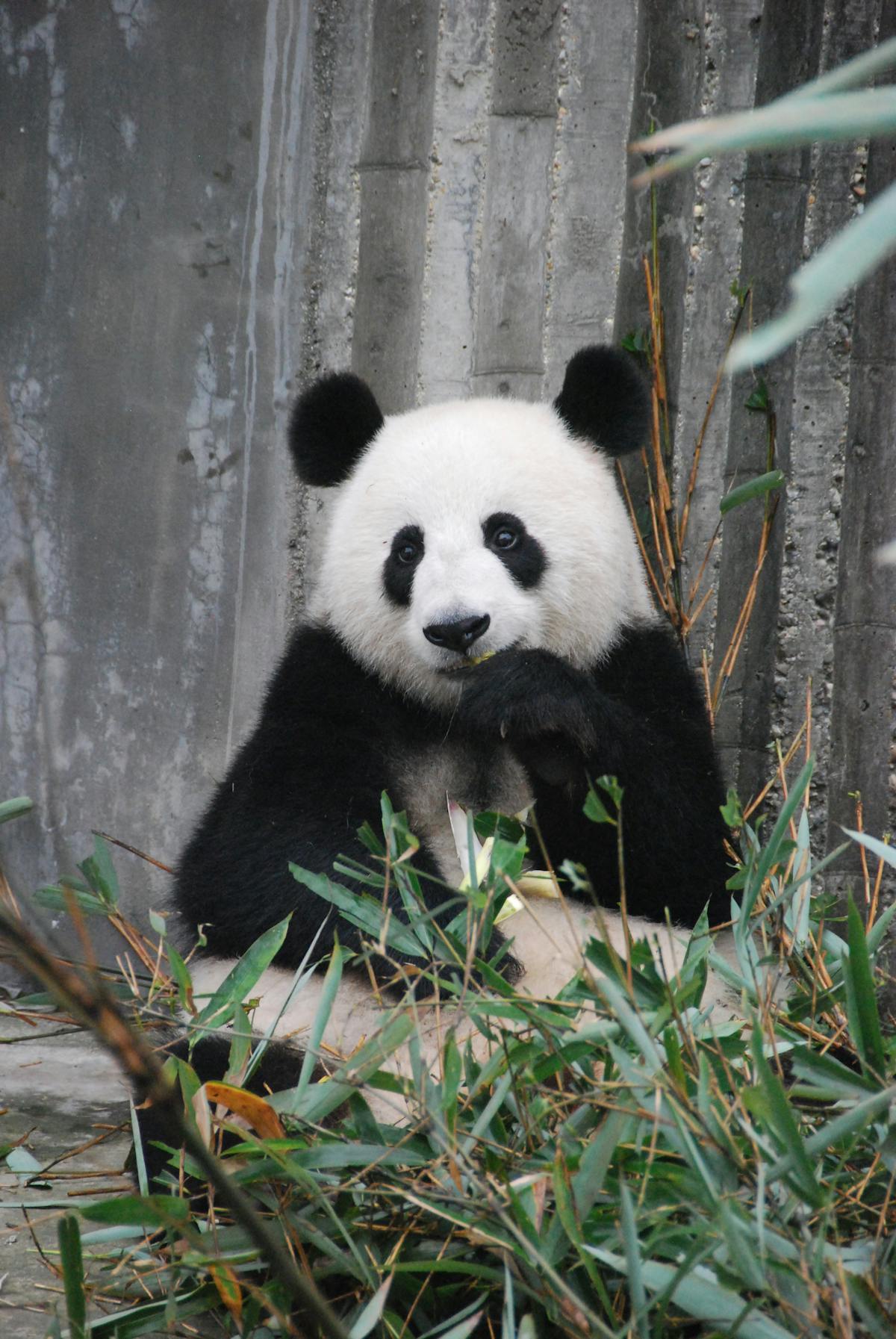
Chengdu Travel Guide 2026: Giant Pandas, Sichuan Spice & Teahouse Culture
Chengdu is the city that makes other Chinese megacities look like they are trying too hard. While Beijing flexes imperial grandeur and Shanghai chases skyline records, Chengdu sits back with a cup of tea and a bowl of hotpot, completely unbothered. It is a city of 21 million people that somehow feels relaxed, welcoming, and deeply human.
It is also the only place on Earth where you can spend the morning watching baby pandas tumble over each other, the afternoon getting your ears cleaned by a man with a tuning fork in a century-old teahouse, and the evening sweating through the most intense hotpot meal of your life. There is nowhere else quite like it.
This guide covers everything a foreign visitor needs to know: where to see pandas, what to eat, how to get around, and why you should build at least three full days here — ideally more.
Why Visit Chengdu
Four reasons Chengdu should be on every China itinerary:
Giant pandas live here. Chengdu is the global headquarters of giant panda conservation. The Chengdu Research Base of Giant Panda Breeding is the most accessible and best-maintained panda facility in the world. Seeing pandas in person — not behind glass at a distant zoo, but in large open-air enclosures surrounded by bamboo — is a genuinely moving experience.
It is the food capital of China. That is not a casual claim. In 2010, UNESCO designated Chengdu as a “City of Gastronomy” — the first city in Asia to receive that honor. Sichuan cuisine is one of China’s eight great culinary traditions, and Chengdu is where it reaches its peak. The combination of mala (numbing-spicy) flavors, the sheer variety of dishes, and the quality at every price point — from a 12-yuan bowl of noodles to a 300-yuan feast — is unmatched.
The pace of life is different. Chengdu people have a saying: “shao bu geng shi” — roughly, “less hurry, more life.” You feel it everywhere. People linger over tea for hours. Mahjong tiles click in parks all afternoon. Nobody seems to be rushing anywhere. For visitors coming from the frenetic energy of Beijing or Shanghai, Chengdu feels like a deep exhale.
It is the gateway to western Sichuan. The Leshan Giant Buddha, Mount Emei, the ancient Dujiangyan irrigation system, and the legendary Jiuzhaigou Valley are all accessible from Chengdu. The city is a natural base camp for some of China’s most spectacular natural and historical sites.
Giant Panda Base
Seeing giant pandas is the number-one reason most foreign tourists visit Chengdu, and the city delivers.
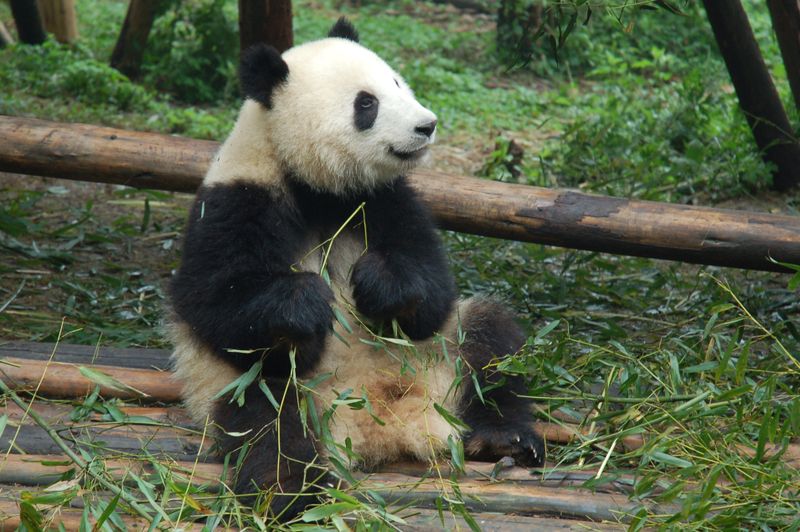
Chengdu Research Base of Giant Panda Breeding
This is where you want to go. Located about 10 kilometers north of the city center, the Chengdu Research Base of Giant Panda Breeding (known locally as Xiongmao Jidi) is home to over 200 giant pandas and around 100 red pandas. The facility covers 200+ hectares of bamboo-filled enclosures designed to mimic natural habitat.
What you will see: Adult pandas eating bamboo in outdoor enclosures, adolescent pandas wrestling and climbing trees, and — if the timing is right — baby pandas in the nursery building. The nursery is the highlight for most visitors, especially between August and December when newborns from the summer breeding season are on display.
Tickets: Adult admission is 55 CNY (about $7.50 USD). Book online through the official WeChat mini-program or through Trip.com at least one day in advance. Walk-up tickets are sometimes unavailable during peak season, so do not risk it. Reservations require your passport number.
Getting there: Take Metro Line 3 to Xiongmao Dadao station, then transfer to the dedicated panda base shuttle bus. A Didi from the city center costs about 30-50 CNY. Plan for a 30-40 minute ride depending on traffic.
Best time to visit: Arrive when the gates open at 7:30 AM. Pandas are most active during morning feeding between 8:00 and 10:00 AM. By noon, most adults are asleep and the park fills with large tour groups. An early start gives you the best photos and fewer crowds. Weekdays are significantly less crowded than weekends.
Dujiangyan Panda Base
If you want a more intimate experience, consider the Dujiangyan Panda Base (also called the China Conservation and Research Center for the Giant Panda), about 60 kilometers northwest of Chengdu. It is smaller, quieter, and offers a well-regarded volunteer program.
Volunteer program: For around 700-800 CNY per person, you can spend a half-day cleaning panda enclosures, preparing bamboo, and feeding pandas under staff supervision. This needs to be booked well in advance — sometimes weeks ahead — through the center’s official channels or a licensed tour operator. You will get to stand within a few meters of adult pandas. It is an unforgettable experience, but be aware that availability fluctuates and the program is occasionally suspended for health monitoring periods.
Panda Tips
- Pandas are lazy. Do not expect acrobatics. Expect a lot of chewing, sitting, and sleeping. This is part of the charm.
- Bring a zoom lens or binoculars. Enclosures are spacious and pandas do not always sit near the viewing platforms.
- The park is hilly and spread out. Wear comfortable walking shoes and budget 3-4 hours for a thorough visit.
- Avoid national holidays (especially the first week of October, Golden Week). The base becomes overwhelmingly packed.
City Attractions
Chengdu has enough within the city limits to fill several days without any effort. Here are the highlights.
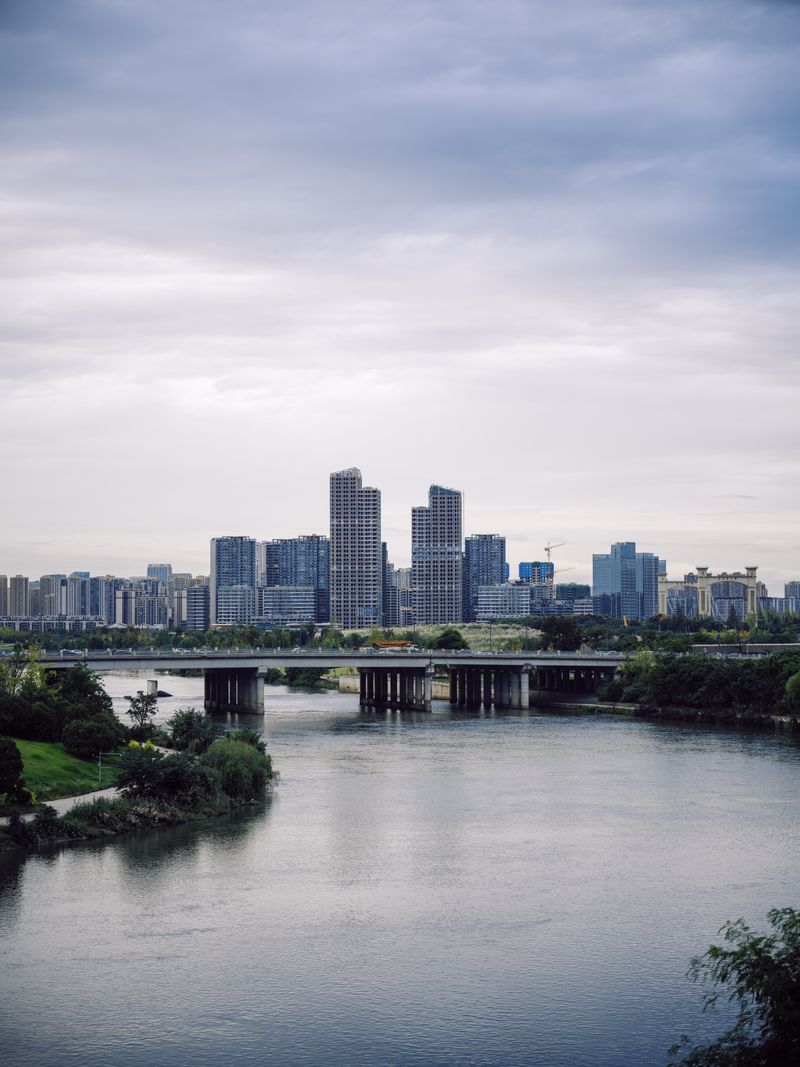
Jinli Ancient Street
Jinli is a 550-meter pedestrian street designed to evoke the feel of a Qing Dynasty commercial district. Yes, it is touristy. Yes, there are souvenir shops selling the same panda plushies you will see everywhere. But it is also genuinely atmospheric — especially at night, when red lanterns glow along the wooden buildings and the crowd energy picks up.
The real draw is the street food section. Stalls line the narrow lane selling Sichuan snacks: sweet water noodles (tian shui mian), three-shot cannons (san da pao, a sticky rice dessert), skewered rabbit, and bowls of numbing-spicy cold noodles. Most items cost 10-20 CNY. Check out our street food guide for more on what to order.
No admission fee. Open all day, but best visited from late afternoon into the evening.
Wuhou Shrine
Adjacent to Jinli, Wuhou Shrine (Wuhou Ci) is a memorial temple dedicated to Zhuge Liang, the legendary strategist of the Three Kingdoms period (220-280 AD). Even if you know nothing about Chinese history, the temple grounds are beautiful — old trees, red walls, stone paths, and a quiet atmosphere that contrasts sharply with the buzz of Jinli next door.
Tickets: 50 CNY. Budget about 1-1.5 hours. Combine it with a Jinli visit.
Wide and Narrow Alleys (Kuanzhai Xiangzi)
Three parallel lanes — Wide Alley, Narrow Alley, and Well Alley — restored from old Qing Dynasty residential architecture. The alleys are filled with teahouses, restaurants, boutique shops, and street performers. It is more polished than Jinli and leans slightly more upscale, with craft cocktail bars sitting alongside traditional tea rooms.
It can get very crowded on weekends. Visit on a weekday morning for a calmer experience. Free to enter.
People’s Park (Renmin Gongyuan)
This is where Chengdu’s laid-back soul is on full display. On any given afternoon, you will find elderly couples dancing, groups playing cards, men practicing calligraphy with water brushes on the pavement, and — most famously — the matchmaking corner, where parents post their adult children’s vital statistics on paper sheets, hoping to find them a spouse.
The park is free to enter and centrally located near Tianfu Square metro station. It is also home to one of Chengdu’s most iconic teahouses, which deserves its own section below.
Anshun Bridge
A modern reconstruction of a historic bridge spanning the Jin River, Anshun Bridge is best seen at night when its traditional-style architecture lights up in gold and red. The bridge itself houses a restaurant (upscale and pricey — you are paying for the view), but walking across and taking photos from the riverbank is the main draw. The surrounding area along the south bank of the Jin River has a pleasant walking path with bars and cafes.
Sichuan Food Guide
This is where Chengdu truly dominates. Sichuan food is not just “spicy Chinese food.” It is a complex cuisine built around a signature flavor called mala — a combination of dried chili heat and the unique tongue-numbing, almost electric tingle of Sichuan peppercorn. Once you develop a taste for it, nothing else quite satisfies the same way.
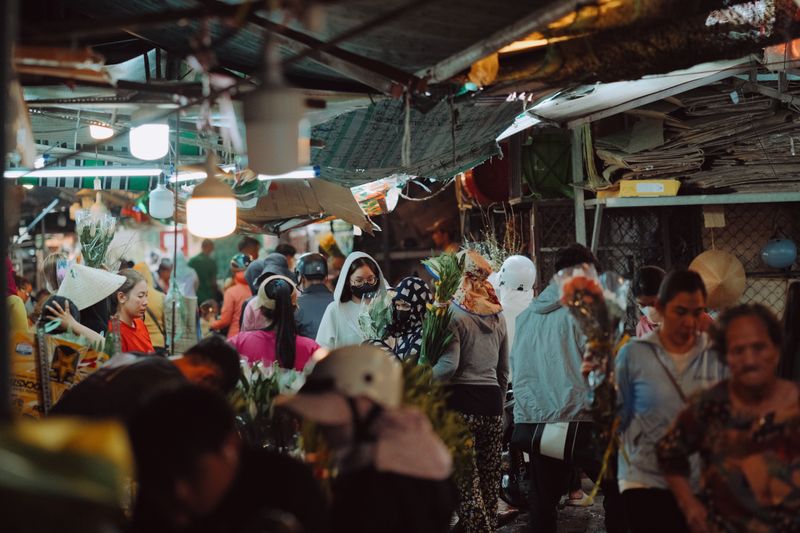
Hotpot
Chengdu hotpot is a communal dining experience where you cook raw ingredients in a bubbling pot of chili-oil broth at your table. The classic Sichuan hotpot broth is an aggressive red pool of dried chilies, Sichuan peppercorns, beef tallow, and about forty other spices. You dip sliced meats, vegetables, tofu, and noodles into the broth, cook for a minute or two, then dip in a sesame oil sauce.
Haidilao is the famous chain, and foreigners love it for its service — free snacks while you wait, phone cases to keep grease off your screen, even a noodle-pulling performance at your table. A meal runs about 100-150 CNY per person. It is a safe, comfortable introduction to hotpot.
But for the real Chengdu experience, go local. Xiaolongkan (multiple locations across Chengdu) and Dazhai Men in the Yulin neighborhood are beloved by locals. Expect to pay 70-120 CNY per person, no English menus, and a much more intense chili-forward broth. Most hotpot restaurants offer a split pot (yuan yang guo) — half spicy, half mild broth — which is a wise choice for first-timers.
Tip for spice novices: Opt for the mild (qing tang) side of a split pot. Ask for more sesame oil for your dipping sauce — it coats the mouth and dulls the burn. Have rice on hand. Drink warm water, not cold — locals insist warm water helps digestion with spicy food.
Other Must-Try Dishes
Mapo Tofu (Mapo Doufu). Soft tofu in a fiery sauce of chili bean paste, fermented black beans, minced pork, and Sichuan peppercorn. The most famous place to eat it is Chen Mapo Doufu on Xi Yulong Street, which has been serving the dish since 1862. A plate costs about 28-38 CNY. The numbness is intense.
Kung Pao Chicken (Gong Bao Ji Ding). The real version bears little resemblance to the Chinese-American takeout dish. Diced chicken stir-fried with dried chilies, Sichuan peppercorn, and roasted peanuts. It is spicier, nuttier, and more complex than what you have had at home.
Dan Dan Noodles (Dan Dan Mian). A small bowl of thin noodles in a sauce of chili oil, sesame paste, Sichuan peppercorn, minced pork, and preserved mustard greens. Traditionally served as a street snack in small portions. Expect to pay 12-18 CNY per bowl.
Rabbit Heads (Tu Tou). This is Chengdu’s most infamous local snack. Braised or spicy rabbit heads, split in half, eaten by picking out the cheek and tongue meat. Locals sell them from carts for about 15-20 CNY each. You will see Chengdu residents eating these casually on the street. It is definitely an adventurous choice, but the meat is surprisingly tender and well-seasoned.
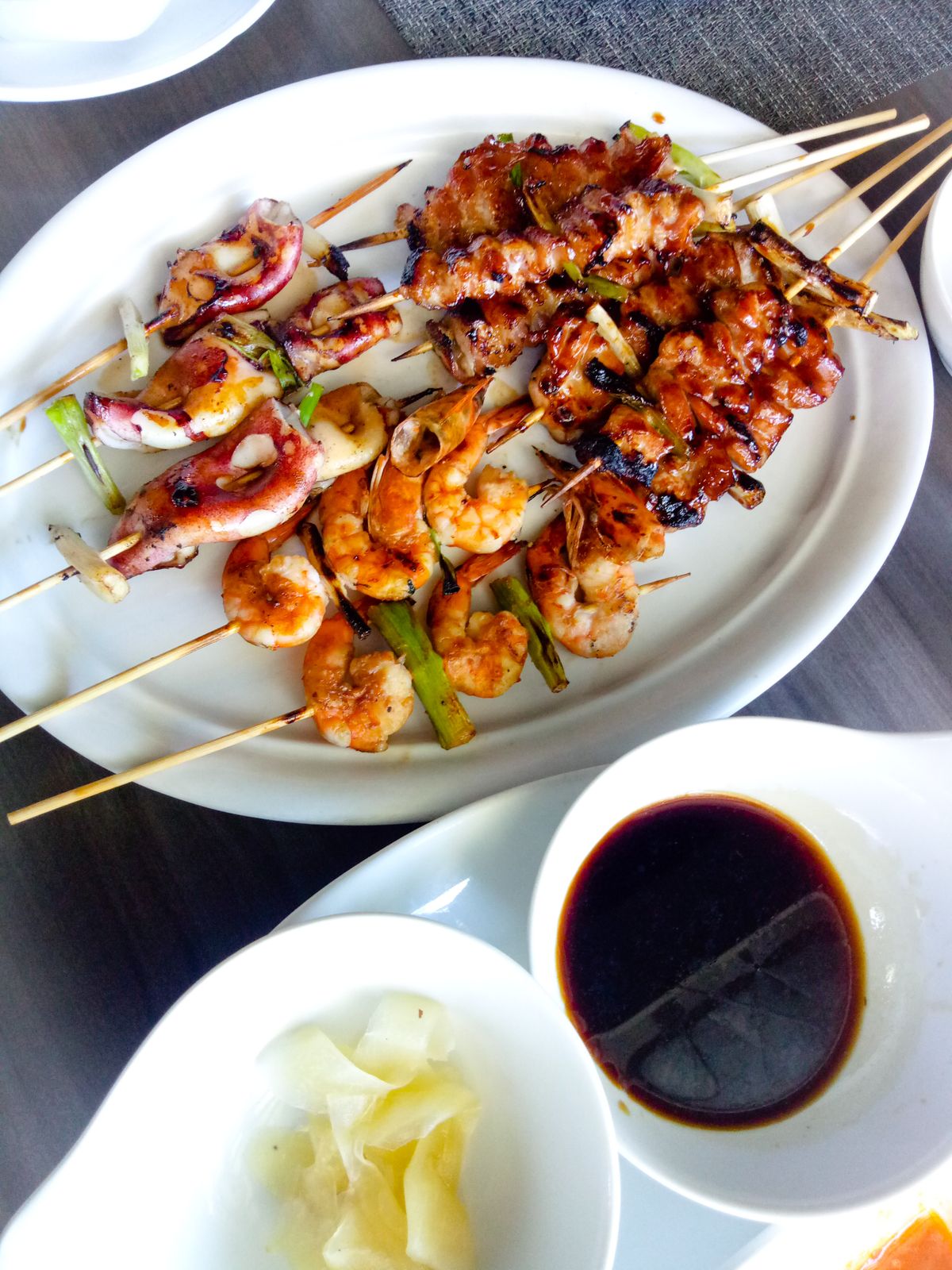
Chuan Chuan Xiang (Skewer Hotpot). Similar to hotpot but with ingredients pre-skewered on bamboo sticks. You grab whatever skewers look good and drop them into a communal pot. Pricing is usually per skewer — typically 0.5-3 CNY each. This is a casual, inexpensive, and incredibly fun way to eat.
Street food on Jinli. Beyond the dedicated entries above, Jinli’s food stalls serve bo bo ji (cold skewers in chili oil), egg-wrapped rice cakes, grilled cold noodles, and sweet glutinous rice desserts. Budget about 50-80 CNY to sample generously.
For a broader look at street food across China, see our street food guide.
Teahouse Culture
If hotpot is Chengdu’s stomach, the teahouse is its soul. Chengdu has more teahouses per capita than any other city in China, and tea drinking here is not a quick caffeine hit — it is a social ritual, an excuse to slow down, and a way of life.
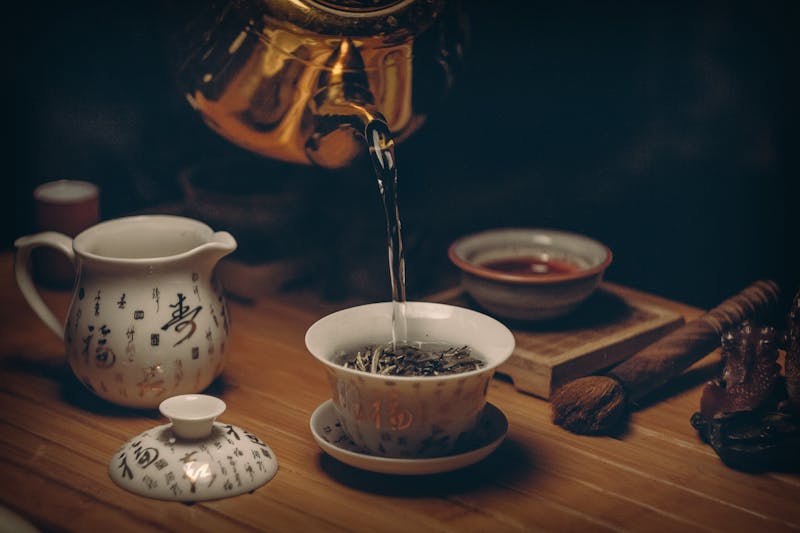
People’s Park Teahouse (Heming Teahouse)
The most famous teahouse in Chengdu, and maybe all of China. Heming Teahouse (Heming Cha She) sits inside People’s Park under a canopy of old trees. Rows of bamboo chairs with small side tables fill the outdoor area, and on any afternoon you will see hundreds of people drinking tea, playing mahjong, reading newspapers, or simply doing nothing at all.
What it costs: A cup of covered-bowl tea (gaiwan cha) — jasmine, green, or other local varieties — costs 20-38 CNY. That buys you the chair, unlimited hot water refills, and the right to sit for as long as you want. Many locals spend entire afternoons.
Ear cleaning. You will notice men walking around the teahouse clicking metal tools together to announce their services. These are traditional ear cleaners. For about 40-60 CNY, an ear cleaner will use a set of specialized tools — scoops, brushes, and tuning forks — to clean your ears. The vibrating tuning fork against your ear canal is a genuinely bizarre and oddly satisfying sensation. It is a quintessentially Chengdu experience that you will not find anywhere else in the world.
How to Order Tea
Walk in, choose a seat (outdoor bamboo chairs are the classic choice), and a server will come over. Point at the tea menu or say the tea you want. The most common options:
- Jasmine tea (molihua cha) — light, floral, the default Chengdu choice
- Green tea (lu cha) — clean and fresh
- Chrysanthemum tea (ju hua cha) — mild, slightly sweet
- Bamboo leaf green (zhuyeqing) — a local Sichuan specialty, smooth and fragrant
Your tea arrives in a gaiwan — a three-piece set with a saucer, cup, and lid. Use the lid to push back the leaves and sip directly. The server will pass by periodically to refill your hot water from a long-spouted brass kettle — sometimes from a theatrical distance.
Mahjong
The clicking of mahjong tiles is the soundtrack of Chengdu. Many teahouses have mahjong tables available for rent (usually 20-40 CNY per table per hour). If you do not know how to play, watching is entertainment in itself. The speed and intensity of Chengdu mahjong games — usually played for small stakes — is impressive.
Getting Around
Chengdu is a large, spread-out city, but its transportation infrastructure is excellent. Here is how to navigate it.
Metro
Chengdu’s metro system has 13 operating lines and covers the city comprehensively. It is fast, clean, air-conditioned, and cheap — rides cost 2-7 CNY depending on distance. Signage and announcements are in both Chinese and English. The metro is the best option for most tourist destinations: Tianfu Square, Chunxi Road, People’s Park, and the panda base transfer are all accessible by metro.
Buy tickets from the machines at each station using cash (coins or small bills) or by scanning Alipay/WeChat Pay. If you are staying for several days, consider picking up a Tianfu Tong transit card (deposit 20 CNY) for faster entry.
For help setting up payment apps, see our payment guide.
Didi
For anything the metro does not cover conveniently — late-night returns, trips to the panda base, getting to hotpot restaurants in residential neighborhoods — Didi is your best friend. Rides within the city center typically cost 15-40 CNY. Airport runs cost 80-130 CNY. Always have your destination written in Chinese characters on your phone to show the driver if the app’s navigation is not cooperating.
Bike Sharing
Chengdu is flat and has a good network of bike lanes. Shared bikes from Meituan (yellow) and Hellobike (blue) are everywhere. Scan the QR code on the bike with Alipay or the operator’s app to unlock. Rides cost about 1.5-2 CNY per 15 minutes. Great for short hops between nearby attractions.
Airports and Train Stations
Chengdu Tianfu International Airport (TFU) is the newer airport, opened in 2021, and handles most domestic and all international flights. It is located about 50 kilometers south of the city. The Airport Express bus and metro Line 19 connect Tianfu Airport to the city center. The metro takes roughly 50-60 minutes to Tianfu Square. A Didi costs about 130-180 CNY.
Chengdu Shuangliu Airport (CTU) still handles some domestic flights. It is closer to downtown — about 16 kilometers — and connected by Metro Line 10. Cheaper and more convenient if your flight operates from here.
Chengdu East Railway Station (Chengdu Dong) is the main high-speed rail hub. Trains to Chongqing (1.5 hours), Xi’an (3.5 hours), Kunming (6 hours), and many other cities depart from here. Connected by Metro Lines 2 and 7.
Chengdu South Railway Station (Chengdu Nan) handles some high-speed services, including trains to Leshan and Emeishan. Connected by Metro Lines 1, 7, and 18.
For booking train tickets in advance, check our train tickets guide.
Best Areas to Stay
Chengdu’s city center is compact enough that staying anywhere within the second ring road puts you within easy reach of major attractions.
Chunxi Road / Taikoo Li Area
The commercial heart of Chengdu. Taikoo Li is a massive open-air luxury shopping complex, and the surrounding streets are packed with restaurants, bubble tea shops, and nightlife. Chunxi Road metro station (Lines 2 and 3) is the city’s most central hub. Mid-range hotels here cost 300-600 CNY per night. This is the best area for first-time visitors who want convenience.
Tianfu Square Area
The political center of Chengdu, with Sichuan Science and Technology Museum and People’s Park within walking distance. Slightly quieter than Chunxi Road but equally well-connected by metro. Hotels here tend to be 250-500 CNY per night. Good for travelers who want a central location without the shopping-district crowds.
Jinli / Wuhou Area
Ideal if your priorities are Jinli Ancient Street, Wuhou Shrine, and easy access to the city’s most atmospheric old-town streets. The Wuhou district also has a cluster of excellent hostels — Lazybones Hostel and Flipflop Hostel are popular with backpackers, with dorm beds running 50-80 CNY per night and private rooms around 150-250 CNY. The area has a friendly, international-traveler vibe.
General Accommodation Tips
- Booking through Trip.com (Ctrip) generally gives you the widest selection for China hotels and guarantees that the property accepts foreign passports.
- Budget hotels and hostels in Chengdu are excellent value. You can get a clean, well-located private room for under 200 CNY per night.
- Airbnb-style options exist through Chinese platforms like Tujia, but communication can be challenging without Chinese language skills. Stick with hotels or hostels that are accustomed to foreign guests.
Day Trips and Excursions
Chengdu’s location on the western edge of the Sichuan Basin makes it the perfect launchpad for some of China’s most impressive natural and historical sites.
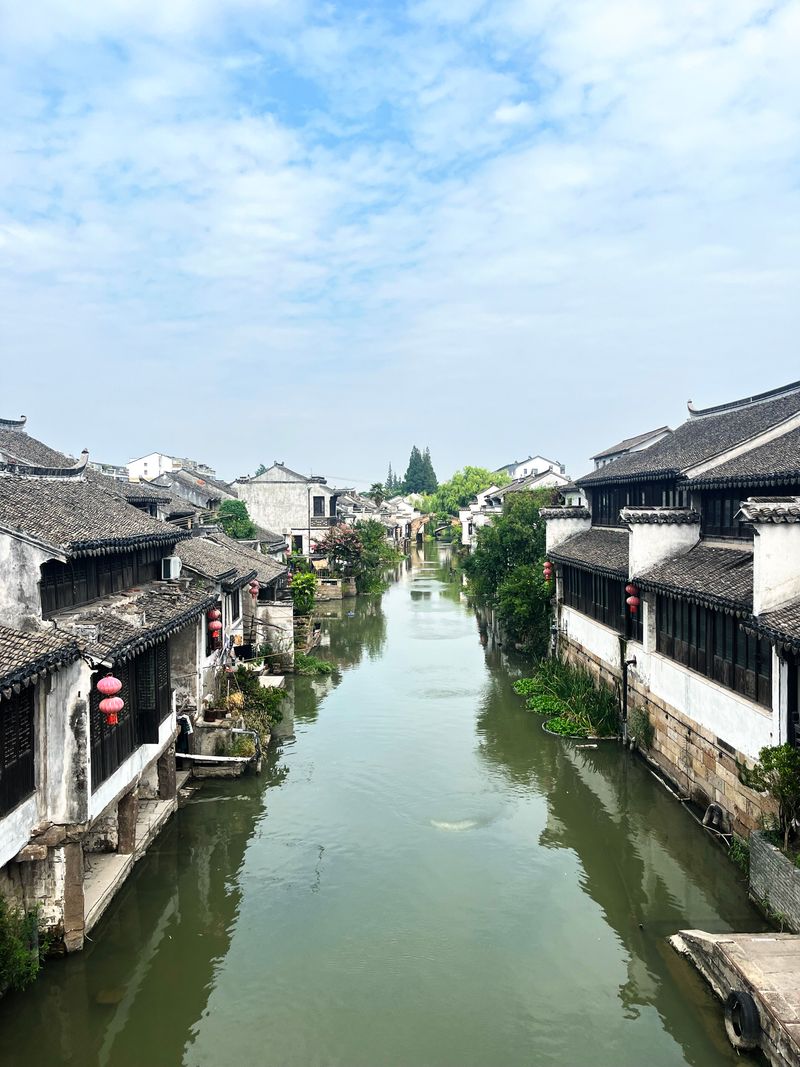
Leshan Giant Buddha
A 71-meter-tall Buddha statue carved into a cliff face where three rivers meet. Built during the Tang Dynasty (started in 713 AD), it is the largest stone Buddha in the world. Standing at the base and looking up at this 1,300-year-old sculpture is a humbling experience.
Getting there: High-speed train from Chengdu South or East station to Leshan station takes about 45-60 minutes and costs 50-65 CNY. From Leshan station, take a local bus (about 30 minutes) or Didi to the scenic area. Total travel time from Chengdu: around 1.5-2 hours.
Tickets: 80 CNY. The path down the cliff face alongside the Buddha is steep and narrow — the line to descend can take 2-3 hours during peak periods. An alternative is to take a river boat (70 CNY) for a frontal view without the climb. Budget a full day.
Mount Emei (Emeishan)
One of the Four Sacred Buddhist Mountains of China, Emei is a stunning climb through misty forests, ancient temples, and eventually a golden summit at 3,099 meters. The Golden Summit temple, often floating above a sea of clouds, is one of the most photographed scenes in Sichuan.
Getting there: High-speed train from Chengdu to Emeishan station takes about 1-1.5 hours, 60-80 CNY. The mountain itself requires a full day to visit the upper sections by bus and cable car, or two days if you want to hike sections of the trail. Many travelers combine Leshan and Emei into a 2-day trip: Leshan on day one, Emei on day two, with a night at the base of the mountain (hotels in Baoguo Temple village start around 150-250 CNY).
Tickets and transport: Emeishan entrance fee is 160 CNY. The sightseeing bus to the upper parking lot costs 90 CNY round-trip. The Jinding cable car is 65 CNY one-way. Total costs add up — budget around 350-400 CNY per person for transport and admission.
Warning: The resident wild monkeys on Mount Emei are bold and aggressive. Do not carry visible food or plastic bags. Secure your belongings. They will grab snacks, drinks, and sometimes phones right out of your hands.
Dujiangyan Irrigation System
A 2,200-year-old hydraulic engineering project that still functions today, controlling the flow of the Min River to irrigate the Chengdu Plain. It was built in 256 BC and is a UNESCO World Heritage Site. The engineering is fascinating even for non-history buffs — the ancient system uses the natural topography and river dynamics rather than dams.
Getting there: A fast train from Chengdu takes about 30 minutes and costs 10-15 CNY. The site is walkable from Dujiangyan station or a short Didi ride. Combine with a visit to the Dujiangyan Panda Base (mentioned above) for a full day trip.
Tickets: 80 CNY.
Jiuzhaigou Valley (2-Day Trip)
Jiuzhaigou is a nature reserve in northern Sichuan famous for its turquoise lakes, multi-level waterfalls, and colorful forests. It is frequently ranked among the most beautiful natural sites in China, and the photos are not exaggerated — the water really is that blue.
Getting there: Jiuzhaigou is about 330 kilometers north of Chengdu, and the journey has gotten much easier with the opening of the Jiuhuang Airport. Flights from Chengdu take about 1 hour and cost 500-900 CNY one-way. Alternatively, a long-distance bus takes about 8-10 hours through spectacular mountain scenery (around 150 CNY). There is no direct high-speed rail yet.
Plan for 2 days minimum: One day for the valley itself, plus travel days. Many tourists fly in on the evening before, spend a full day in the park, and fly back the next morning. Tickets must be booked online in advance (169 CNY entrance fee plus 90 CNY for the park shuttle). Daily visitor numbers are capped, so reserve early during peak season (September through November for autumn colors).
Practical Tips
Climate
Chengdu is humid year-round. Summers (June through August) are hot and muggy, regularly hitting 33-37 degrees Celsius with thick humidity. Winters are mild but perpetually overcast and damp — Chengdu famously sees very little sunshine, which is why locals joke that dogs bark at the sun when it occasionally appears.
Spring (March through May) and autumn (September through November) are the most comfortable seasons for visiting. Temperatures hover between 15-25 degrees Celsius, the crowds are thinner than summer, and autumn brings the best weather for day trips to Jiuzhaigou and Emeishan.
Pack layers. Even in summer, air-conditioned buildings are aggressive. In winter, bring a warm jacket — the wet cold gets into your bones even though temperatures rarely drop below freezing.
Spice Tolerance
If you are not accustomed to Sichuan-level spice, build up gradually.
- Start with milder Sichuan dishes: kung pao chicken, twice-cooked pork (hui guo rou), or sweet-water noodles.
- In hotpot restaurants, always ask for a split pot (yuan yang guo) so you have a non-spicy option.
- The phrase “bu yao la” (I don’t want spicy) or “wei la” (mild spice) are useful, though in Chengdu, even “mild” might be spicier than what you are used to.
- Carry tissues. Your nose will run. It is unavoidable.
- Dairy products like yogurt help with the burn. Convenience stores everywhere sell drinkable yogurt (suan nai) for 5-10 CNY.
Sichuan Earthquake Zone
Sichuan sits in an earthquake-prone region. The devastating 2008 Wenchuan earthquake (magnitude 7.9) struck about 80 kilometers from Chengdu. While Chengdu itself suffered relatively limited structural damage, the event underscored the seismic risk.
Practical implications for tourists: the risk is low for any individual trip, and modern buildings in Chengdu are built to updated seismic codes. If you are traveling to the mountains (Jiuzhaigou, Emeishan), be aware that landslides can occasionally close roads after earthquakes or heavy rains. Check current conditions before long mountain trips.
Connectivity
Get a China eSIM set up before you arrive. You will need mobile internet for navigation, Didi, paying with Alipay/WeChat, and translating menus. Free WiFi in hotels is standard, but you will want data on the go.
Money
Mobile payment is king. WeChat Pay and Alipay are accepted at virtually every business in Chengdu, from upscale restaurants to street food carts. Set up your payment apps before your trip. Carry some small cash (50-100 CNY) as a backup for rare situations, but you can realistically go days without touching paper money.
Suggested Itineraries
3-Day Chengdu Itinerary
Day 1 — Pandas and Old Chengdu
- 7:00 AM: Didi to the Chengdu Research Base of Giant Panda Breeding. Arrive at opening.
- 7:30 - 11:00 AM: Explore the panda base. Prioritize the nursery and sub-adult enclosures.
- 12:00 PM: Lunch at a local restaurant near the base or head back to the city.
- 2:00 PM: Wuhou Shrine. Take your time in the gardens.
- 4:00 PM: Walk into Jinli Ancient Street. Browse, snack, take photos.
- 6:00 PM: Dinner at a Jinli restaurant or head to a nearby hotpot spot.
- 8:00 PM: Return to Jinli for the night lantern atmosphere, or walk along the Jin River to see Anshun Bridge lit up.
Day 2 — Culture, Tea, and Food
- 9:00 AM: Wide and Narrow Alleys. Explore all three lanes, grab a mid-morning snack.
- 11:30 AM: Walk to People’s Park (about 15 minutes on foot or one metro stop).
- 12:00 PM: Heming Teahouse. Order a gaiwan tea, sit in a bamboo chair, and watch the world go by. Get your ears cleaned if you are feeling adventurous.
- 2:00 PM: Lunch at Chen Mapo Doufu on Xi Yulong Street (metro accessible).
- 3:30 PM: Explore the Chunxi Road / Taikoo Li shopping area. Good for people-watching.
- 6:30 PM: Hotpot dinner. Try Xiaolongkan or Dazhai Men for an authentic local experience.
- 9:00 PM: Night stroll around Taikoo Li or drinks in the Lan Kwai Fong area along the river.
Day 3 — Markets, Neighborhoods, and Farewell Feast
- 8:00 AM: Breakfast at a local noodle shop — try dan dan noodles or a bowl of za jiang mian (mixed sauce noodles).
- 9:30 AM: Visit Qingyang Palace (Qingyang Gong), an active Taoist temple near People’s Park. Peaceful, incense-filled, and rarely crowded. Tickets 10 CNY.
- 11:00 AM: Wander the Yulin neighborhood — this is where locals eat. Streets lined with small Sichuan restaurants, noodle shops, and snack vendors. Try the chuan chuan xiang stalls.
- 1:00 PM: Lunch in Yulin.
- 3:00 PM: Sichuan Museum (free admission, closed Mondays) or the Eastern Suburb Memory creative district for a more modern, artsy vibe.
- 6:00 PM: Farewell dinner — splurge on a high-end Sichuan meal at Yu Zhi Lan (if you can get a reservation and want to go upscale) or keep it real at a local fly restaurant (cang ying guan, a Chengdu term for no-frills eateries with incredible food).
5-Day Itinerary (Chengdu + Leshan + Mount Emei)
Days 1-3: Follow the 3-day itinerary above.
Day 4 — Leshan Giant Buddha
- 7:30 AM: High-speed train from Chengdu East or South to Leshan (about 1 hour).
- 9:00 AM: Arrive at the Leshan Giant Buddha scenic area. Walk the cliff-side path down to the base of the Buddha.
- 12:30 PM: Lunch in Leshan town. Try Leshan’s local specialty: bo bo ji (cold chicken on sticks in spicy oil) or xiba tofu (a local doufu dish).
- 2:00 PM: Continue to Emeishan by local bus or train (30-40 minutes).
- 4:00 PM: Check into a hotel in Baoguo Temple village at the base of Mount Emei. Rest and explore the village.
- 6:30 PM: Dinner at a local Sichuan restaurant near the mountain gate.
Day 5 — Mount Emei Golden Summit
- 6:00 AM: Early bus from Baoguo to Leidongping parking area (about 2 hours on the sightseeing bus).
- 8:30 AM: Hike from Leidongping to Jieyin Hall (about 1.5 hours), or take the cable car.
- 10:00 AM: Cable car to the Golden Summit (Jinding). See the massive Puxian Bodhisattva gold statue, the cloud sea (if weather cooperates), and the surrounding temples.
- 12:00 PM: Lunch at one of the summit restaurants (basic food, moderate prices — do not expect gourmet).
- 1:30 PM: Begin descent by cable car and bus.
- 4:00 PM: Bus back to Emeishan town, then high-speed train to Chengdu (1-1.5 hours).
- 7:00 PM: Back in Chengdu for a final meal.
Chengdu rewards travelers who slow down. Resist the urge to rush through a checklist. Sit in the teahouse longer than you planned. Order one more dish at the hotpot table. Let the numbness of the Sichuan peppercorn settle in. This city is not about efficiency — it is about savoring the moment, and it will change the way you think about travel in China.

Frequently Asked Questions
Where can I see giant pandas in Chengdu?
The Chengdu Research Base of Giant Panda Breeding is the best place. Arrive before 9am to see pandas during feeding time. Book tickets online in advance. The base is a 30-minute drive from downtown.
How spicy is Sichuan food?
Very spicy! Sichuan cuisine uses both chili peppers (spicy heat) and Sichuan peppercorns (numbing sensation). Ask for "wei la" (微辣, mild spicy) or "bu la" (不辣, not spicy) when ordering.