15 Things That Shock Foreigners When They Visit China (2026)
China is one of the most fascinating countries on earth — and one of the most disorienting. No matter how much you research, your first few days will hit you with a wave of “wait, what?” moments that no travel blog fully prepares you for.
Here are the 15 biggest culture shocks that catch foreign visitors off guard, why they happen, and exactly how to deal with each one.
1. Everything Is Cashless — You NEED Mobile Payments
This is the number one shock for first-time visitors. China has leapfrogged credit cards entirely and gone straight to QR code payments for virtually everything. Street food vendors, taxi drivers, temple donation boxes, even buskers — everyone expects you to scan a code.
Try handing a shopkeeper a ¥100 bill and you’ll likely get a confused look. Many small businesses genuinely don’t have change because they haven’t handled cash in years.
Why it happens: China’s mobile payment revolution (led by Alipay and WeChat Pay) took off around 2015 and the country never looked back. Cash infrastructure has quietly disappeared.
Practical tip: Set up Alipay with your foreign credit card before you fly. It takes 10 minutes and saves you days of frustration. Read our full guide to paying in China as a foreigner for the step-by-step walkthrough.
2. The Internet Is Different — No Google, Instagram, or WhatsApp
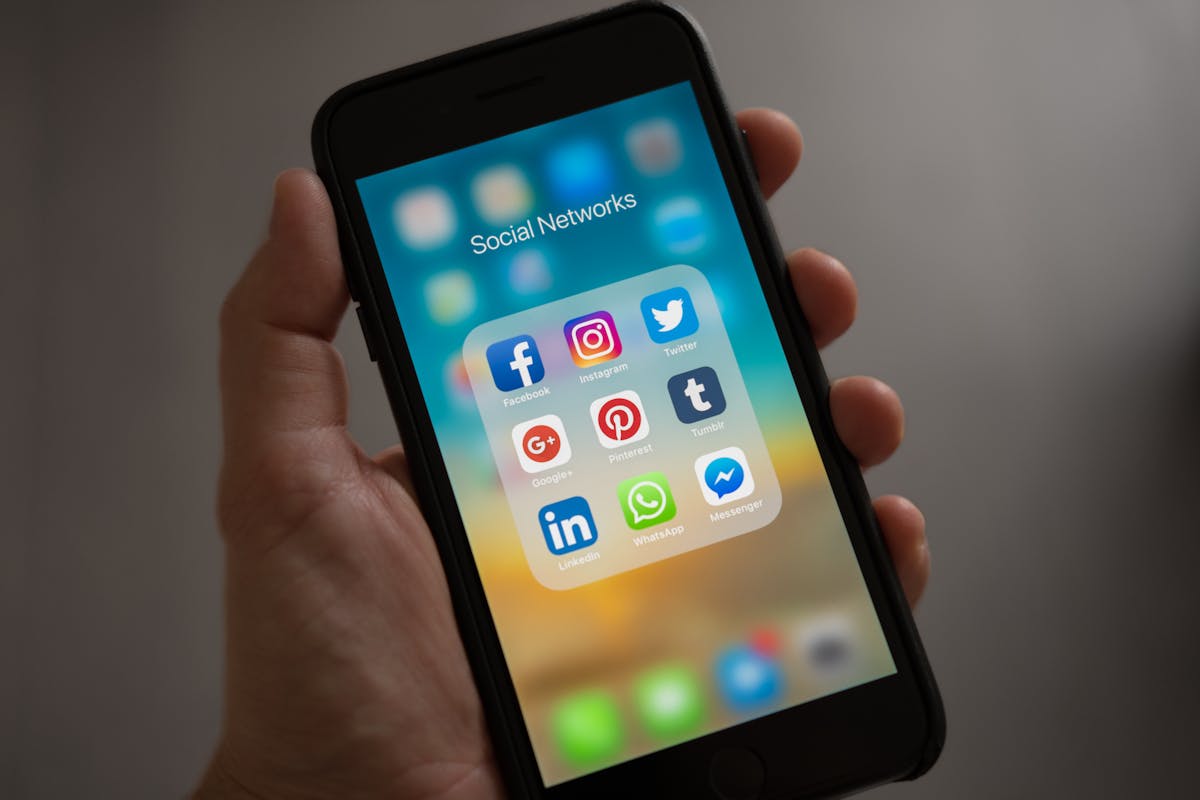
You land in China, connect to airport Wi-Fi, and… nothing loads. Google, Gmail, WhatsApp, Instagram, YouTube, Facebook, Twitter/X — all blocked by the Great Firewall. Your phone suddenly feels like an expensive paperweight.
Why it happens: China maintains its own internet ecosystem with domestic alternatives for virtually every Western platform. It’s been this way for over a decade.
Practical tip: Get an international eSIM before departure. It routes your data through overseas servers, giving you full uncensored internet access without a VPN. Check out our best eSIM for China guide — it’s the single most important thing to arrange before your trip.
3. Squat Toilets Exist — And Bring Your Own Toilet Paper
Your first encounter with a squat toilet in a Chinese public restroom is a rite of passage. Many public facilities — especially at tourist sites, train stations, and older restaurants — have squat toilets rather than Western-style seated ones. And toilet paper? That’s often a communal dispenser at the entrance, not inside the stall.
Why it happens: Squat toilets are traditional across much of Asia and are actually considered more hygienic (no skin-to-surface contact). Modern malls and hotels will always have Western-style toilets.
Practical tip: Carry a small pack of tissues with you at all times. Seriously, put it in your pocket right now. Also, many restrooms have a trash bin next to the toilet — use it for paper instead of flushing, as older plumbing can’t handle it.
4. The Food Is Nothing Like Chinese Food Abroad
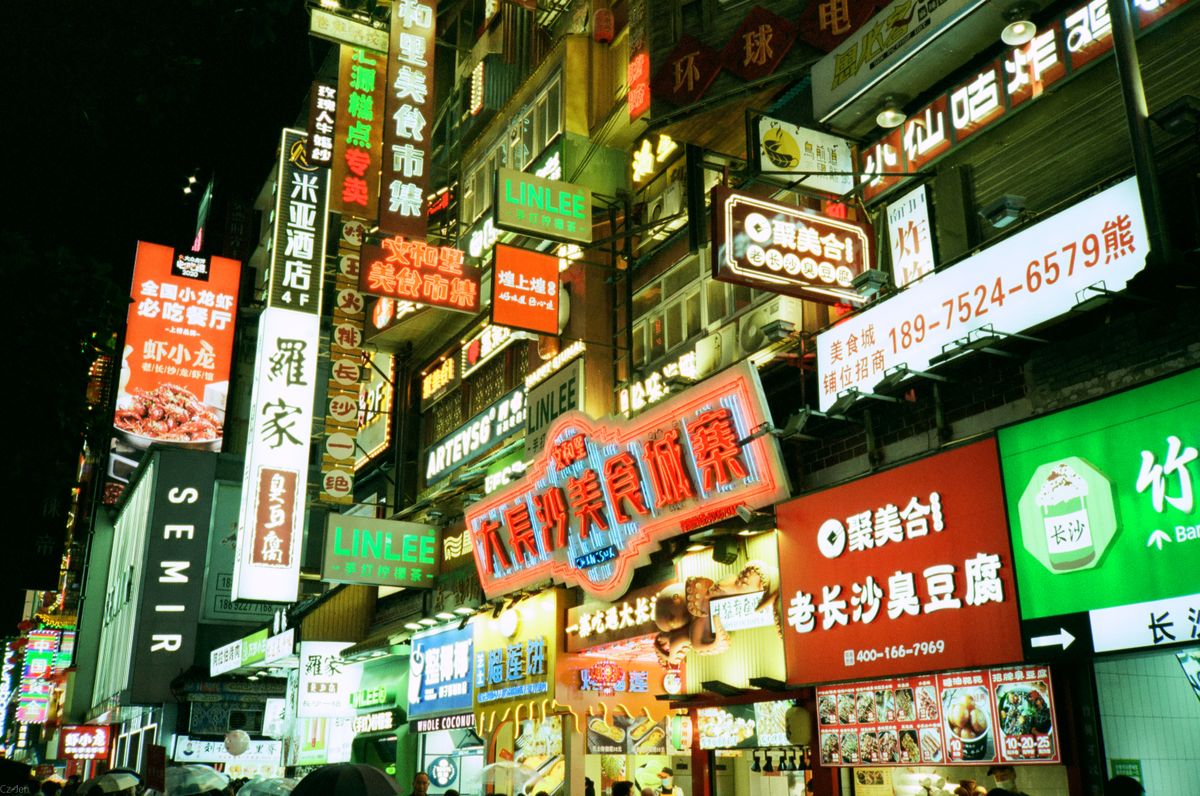
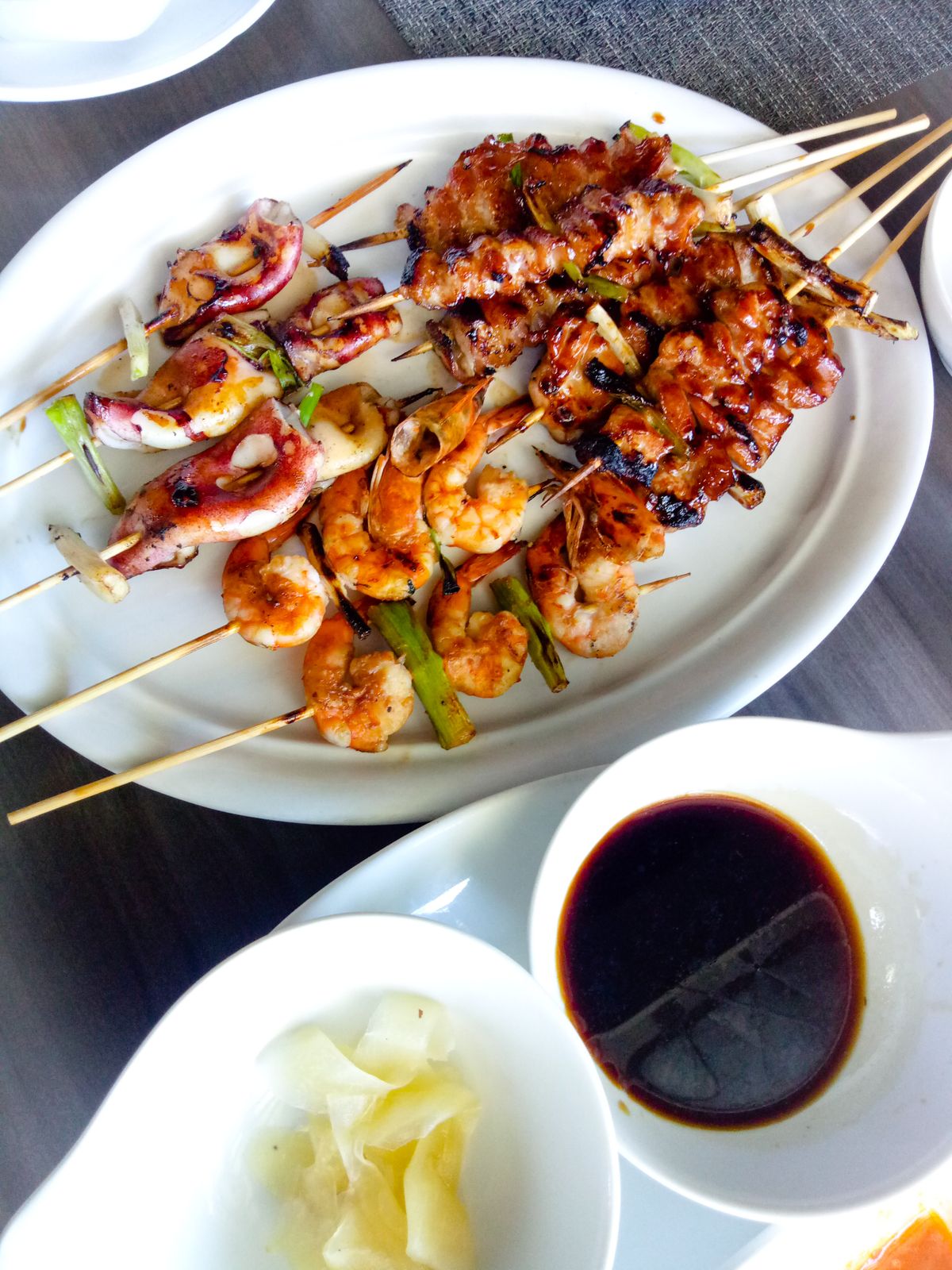
Forget General Tso’s chicken. Forget fortune cookies. The real China has eight major regional cuisines that are wildly different from each other. Sichuan food will numb your face. Cantonese food is delicate and subtle. Xinjiang food feels like Central Asian barbecue. Yunnan food uses mushrooms and flowers you’ve never heard of.
The sheer variety, freshness, and intensity of flavors will ruin you for takeout back home.
Why it happens: “Chinese food” abroad is mostly a heavily adapted version of Cantonese cooking brought by early immigrants. The real thing is a continent of cuisines packed into one country.
Practical tip: Be adventurous. Point at what other tables are eating if you can’t read the menu. Download a translation app that can scan Chinese menus with your camera. And yes, try the street food — it’s almost always fresh and delicious.
5. Everything Is on an App
Want to order food at a restaurant? Scan the table QR code and order on your phone. Need a taxi? Open Didi. Train tickets? 12306 app. Renting a shared bike? Scan the code. Need an umbrella because it started raining? There’s an app (and a QR code) for that too.
China runs on apps in a way that feels like living five years in the future.
Why it happens: China’s tech ecosystem developed around mobile-first infrastructure. With 1.4 billion smartphone users, businesses optimized for apps rather than websites or in-person service.
Practical tip: Download the essential apps before arrival while you still have access to your regular app store. Alipay, WeChat, Didi, Baidu Maps, and a translation app are your survival kit.
6. China Is MASSIVE — Distances Are Humbling
People plan a two-week trip thinking they’ll “see China.” Then they realize Beijing to Shanghai alone is roughly the same distance as London to Rome. Chengdu to Guilin? That’s like crossing half of Europe. China is the size of the entire United States, and it feels even bigger.
Why it happens: China is the world’s third-largest country by area, spanning everything from tropical beaches to Himalayan peaks, and deserts to megacities.
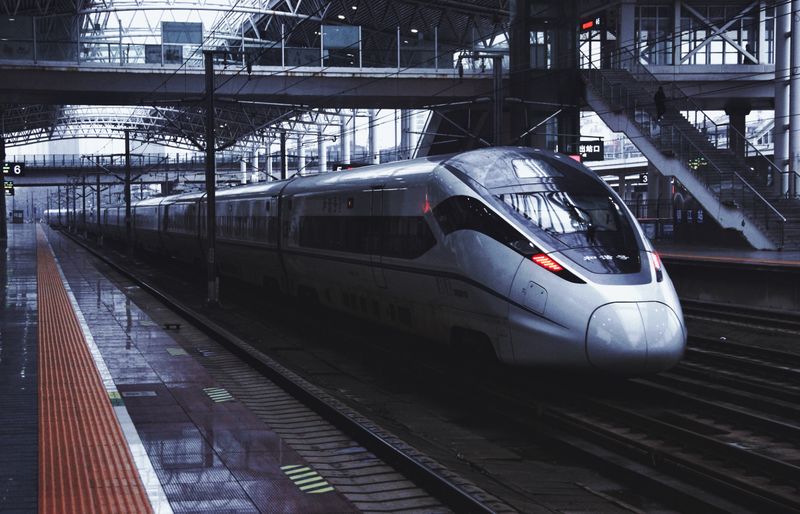
Practical tip: Don’t try to see everything. Pick 2-3 regions and connect them using China’s incredible high-speed rail network — it’s fast (up to 350 km/h), affordable, and far less stressful than flying. Read our train tickets guide to learn how to book.
7. People Stare at Foreigners — It’s Curiosity, Not Hostility
Walk through a smaller city or rural area and you’ll notice people openly staring, taking photos, or nudging their friends to look at you. Kids might shout “hello!” and run away giggling. In some places you’ll feel like a minor celebrity.
Why it happens: Despite being the world’s most populous country, many areas of China see very few foreign visitors. People are genuinely curious. It’s almost always friendly, and many people simply want to practice their English or snap a photo with you.
Practical tip: Smile and wave. Say “nǐ hǎo” (hello) and you’ll get beaming smiles in return. If someone asks for a photo, it’s up to you — most travelers find it charming the first dozen times. It’s never threatening.
8. The Language Barrier Is Real But Manageable
Outside international hotels and major tourist sites, very few people speak English. Menus, signs, and apps are almost entirely in Chinese. Even ordering a coffee can become a game of charades.
Why it happens: Mandarin Chinese is the world’s most spoken language by native speakers. In a domestic market of 1.4 billion, there hasn’t been the same pressure to adopt English that smaller countries experience.
Practical tip: Download Google Translate or Apple Translate with the Chinese language pack for offline use. The camera translation feature — point your phone at Chinese text and see it in English — is borderline magical and will save you multiple times per day.
9. Spitting and Pushing in Queues Happens
Let’s address the elephant in the room. In crowded places, you may encounter people spitting on the street, cutting in line, or pushing to board a train. It can feel jarring if you’re not expecting it.
Why it happens: Personal space norms differ across cultures, and China’s massive population density means people have adapted to navigating crowds differently. Things have changed enormously in major cities over the past decade, but old habits linger in some contexts.
Practical tip: Don’t take it personally — it’s not directed at you. At train stations and metro platforms, stand firm and follow the crowd’s flow. In lines, keep close to the person in front of you or people will naturally fill the gap. You’ll adapt faster than you think.
10. The Scale of Everything Is Jaw-Dropping
Chinese train stations look like international airports. Shopping malls have 10 floors and their own zip codes. Residential complexes house 50,000 people. Highway interchanges stack five levels high. Nothing is small.
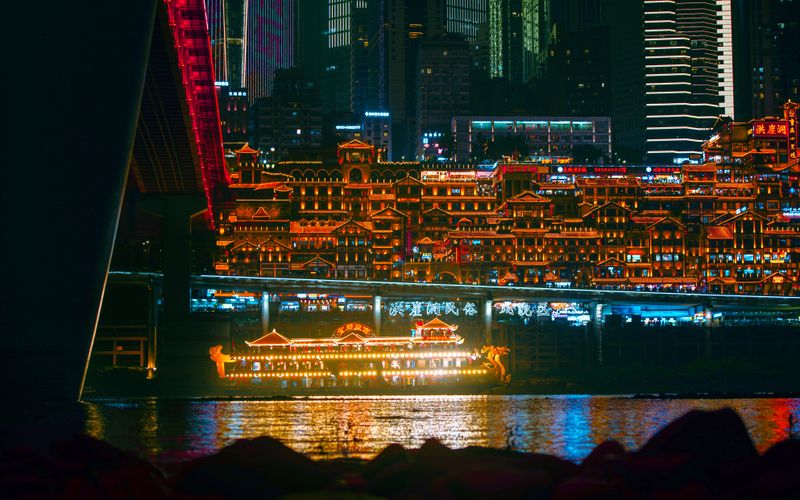
Why it happens: When you build infrastructure for a population of 1.4 billion, everything scales up. Chinese urban planning also tends to favor grand, centralized hubs over smaller distributed ones.
Practical tip: Give yourself extra time for everything. A “quick stop” at a train station might involve a 15-minute walk from the entrance to your platform. Download Baidu Maps or Amap and use indoor navigation — many large stations and malls have detailed floor plans built into the map apps.
11. Security Checks Are Everywhere
You’ll put your bag through an X-ray scanner to enter every metro station, every train station, most tourist sites, and many public buildings. It becomes second nature by day two, but the first time you encounter a security checkpoint at a subway entrance, it feels intense.
Why it happens: China takes public safety extremely seriously. The widespread security infrastructure is part of why the country is so safe (see #12). It’s fast and routine — think of it like airport security but without removing your shoes.
Practical tip: Keep your bag easy to take on and off. Don’t carry pocket knives or large bottles of liquid. The checks are quick (5-10 seconds usually), and nobody is singling you out — every single person goes through them.
12. China Is Incredibly Safe
Here’s a culture shock that goes the other direction. Despite what some Western media might suggest, China is one of the safest countries in the world for travelers. Violent crime is extremely rare. Theft is uncommon. You can walk through any city at 3am and feel completely secure.
Why it happens: A combination of extensive security infrastructure, social norms, heavy surveillance, and strict law enforcement means crime rates are remarkably low. Lost wallets get returned. Unattended bags stay untouched.
Practical tip: Relax and enjoy the freedom. Solo travelers, women traveling alone, and families with children can feel genuinely safe exploring China’s cities day or night. The biggest danger you’ll face is probably jaywalking across a six-lane road.
13. Hot Water Culture — “Why Is My Water Warm?”
Sit down at a restaurant and your server brings you a glass of hot water. Not tea — just hot water. Convenience stores sell hot water from dispensers. Train stations have hot water taps. Locals carry thermoses everywhere.
Why it happens: Traditional Chinese medicine holds that cold water is bad for digestion and overall health. Boiling water also has historical roots in water safety. For Chinese people, drinking hot or warm water is as natural as breathing.
Practical tip: If you want cold water, specifically ask for “bīng shuǐ” (ice water) — though some places won’t have it. Convenience stores (FamilyMart, 7-Eleven, Lawson) are your best bet for cold bottled water. Honestly, give hot water a chance. Many travelers end up liking it.
14. WeChat Is Everything — Not Just a Chat App
Imagine if WhatsApp, Apple Pay, Instagram, Uber, Yelp, and your government ID were all the same app. That’s WeChat. Chinese people don’t exchange phone numbers — they scan each other’s WeChat QR codes. It’s how they pay bills, split dinner, share vacation photos, book doctor appointments, and call taxis.
Why it happens: Tencent (WeChat’s parent company) built an ecosystem so comprehensive that there’s genuinely no reason to leave the app. With over 1.3 billion monthly users, it’s the connective tissue of Chinese daily life.
Practical tip: Download WeChat, set up an account, and link your payment card. Even if you mainly use Alipay to pay, WeChat is how you’ll communicate with hotel staff, tour guides, and any new friends you make. Having it on your phone signals that you’re serious about connecting.
15. Construction and Development Speed Is Unreal
Fly into a Chinese city, leave for two years, and fly back — entire neighborhoods will have appeared. A new metro line opens every few months. Skyscrapers sprout up in weeks (seriously, the structural framework goes up terrifyingly fast). High-speed rail lines connect cities that had no rail link five years ago.
Why it happens: China’s centralized planning system, massive workforce, and modular construction techniques enable building speeds that Western countries simply can’t match. Infrastructure is also a major driver of economic development policy.
Practical tip: Check for the latest metro maps and transit info before you visit, not just once — things change rapidly. A station that didn’t exist six months ago might now be the most convenient way to reach your hotel.
The Biggest Culture Shock of All
Here’s the thing nobody tells you: the biggest culture shock isn’t any single item on this list. It’s how all 15 hit you at once in the first 48 hours. You’ll fumble with payments, struggle to find a Western toilet, get stared at, fail to load Google Maps, and accidentally drink hot water — all before lunch on day one.
But by day three? You’ll be scanning QR codes like a local, navigating the metro with confidence, and wondering why your home country doesn’t have high-speed rail. China has a steep learning curve, but it rewards you for climbing it.
Next Steps: Prepare Before You Go
The best way to handle culture shock is to arrive prepared. These guides cover the essentials:
- Best eSIM for China — Get full internet access including Google, WhatsApp, and Instagram without a VPN
- How to Pay in China — Set up Alipay and WeChat Pay with your foreign card before you fly
- China Travel Checklist — Everything you need to download, pack, and prepare before departure
- Best Apps for China Travel — The essential apps that will make your trip infinitely smoother
China is wild, wonderful, and unlike anywhere else on earth. Go in with open eyes and a sense of humor, and you’ll have the trip of a lifetime.
Frequently Asked Questions
What surprises foreigners the most about China?
The biggest surprises include: everything is cashless (no one carries cash), the incredible speed of delivery services (30 min food delivery), how safe cities feel, and the scale of modern infrastructure.
Is tipping expected in China?
No. Tipping is not customary in China and can sometimes cause confusion. Service charges are included in hotel and restaurant prices. This applies to taxis, restaurants, hotels, and tour guides.