
Medical Care in China for Foreigners (2026): Affordable Healthcare, Dental & TCM Guide
China’s healthcare system is one of the best-kept secrets in international travel. While most visitors come for the Great Wall and street food, a rapidly growing number of foreigners are discovering that Chinese hospitals offer world-class medical care at a fraction of what they would pay back home. An MRI that costs $2,000 in the United States? About $70 at a Chinese public hospital. A dental implant that runs $4,000 in America? Under $900 in China. A full-body health checkup with blood work, CT scan, and specialist consultations? $300-800 versus $5,000-10,000 stateside.
This is not a fringe trend. In 2025, China’s key international-service hospitals treated over 1.28 million foreign patients — a 73.6% increase from three years prior, with the number of European and American patients doubling. Hospitals across Beijing, Shanghai, Guangzhou, and Shenzhen have rushed to set up or expand dedicated international medical departments to handle the demand.
Whether you need an emergency visit during your trip, want to schedule dental work, or are curious about trying Traditional Chinese Medicine, this guide covers everything you need to know about accessing medical care in China as a foreigner.

Why Medical Care in China Is So Cheap
China’s healthcare costs are dramatically lower than Western countries for several reasons:
Government price controls. The Chinese government strictly regulates the prices of medical procedures, pharmaceuticals, and consumables at public hospitals. This keeps baseline costs low across the entire system.
Lower operating costs. Hospital staff salaries, facility costs, and medical supplies are all significantly cheaper than in the US, UK, or Australia. A Chinese surgeon with 20 years of experience earns a fraction of what their American counterpart makes — but the quality of care at top-tier hospitals is comparable.
Scale and competition. China has over 35,000 hospitals serving 1.4 billion people. The sheer volume creates efficiency. A surgeon at a major Chinese hospital may perform more procedures in a year than most Western surgeons do in a decade.
No insurance markup. In many Western countries, hospital list prices are inflated because of insurance company negotiations. China’s public hospital prices are what you actually pay.
The result: foreigners can save 60-80% on most medical procedures compared to the US, and 40-60% compared to the UK and Australia.
Cost Comparison: China vs Western Countries
Here’s what you can expect to pay at Chinese hospitals versus back home:
Diagnostic Tests
| Procedure | China (Public) | USA | UK (Private) | Australia |
|---|---|---|---|---|
| MRI Scan | $70 (500 CNY) | $1,200-3,000 | $400-650 | $500-800 |
| CT Scan | $28 (200 CNY) | $500-1,500 | $260-520 | $300-600 |
| Full-Body Checkup (VIP) | $300-800 | $5,000-10,000 | $1,300-2,600 | $2,000-4,000 |
| PET-CT Scan | $600-900 | $3,000-6,000 | $2,000-3,900 | $2,500-4,000 |
Dental Procedures
| Procedure | China | USA | UK (Private) | Australia |
|---|---|---|---|---|
| Single Dental Implant | $650-1,200 | $3,000-6,000 | $2,600-3,900 | $3,000-5,000 |
| Porcelain Crown | $200-400 | $1,000-2,500 | $650-1,550 | $1,500-2,500 |
| Veneers (per tooth) | $150-400 | $1,000-2,500 | $650-1,300 | $1,200-2,000 |
| All-on-4 Implants | $5,500-10,500 | $20,000-40,000 | $19,500-39,000 | $25,000-45,000 |
| Root Canal + Crown | $300-700 | $1,500-3,000 | $650-1,300 | $1,500-3,000 |
| Teeth Whitening | $80-200 | $500-1,500 | $400-1,040 | $600-1,200 |
Major Surgeries
| Surgery | China | USA | UK (Private) | Australia |
|---|---|---|---|---|
| LASIK Eye Surgery | $800-1,500 | $4,000-6,000 | $3,900-6,500 | $4,500-7,000 |
| Knee Replacement | $8,000-20,000 | $35,000-50,000 | $15,600-23,400 | $20,000-30,000 |
| Hip Replacement | $7,000-18,000 | $32,000-45,000 | $14,300-20,800 | $18,000-28,000 |
| Cardiac Bypass | $15,000-35,000 | $100,000-150,000 | $26,000-52,000 | $35,000-60,000 |
| IVF (per cycle) | $3,000-6,000 | $12,000-17,000 | $6,500-10,400 | $10,000-15,000 |
These prices are for standard departments at public hospitals. International departments charge more (typically 2-5x standard rates), but are still significantly cheaper than Western hospitals.
Types of Hospitals in China
Understanding the hospital system helps you choose the right one:
Public Hospitals (Standard Departments)
These are where most Chinese people go. They are the cheapest option, with consultation fees as low as 20-50 CNY ($3-7). The catch: very crowded, long waits, and almost no English support. Doctors are often excellent — many trained internationally — but you will need a Chinese-speaking friend or a medical interpreter.
Best for: Budget-conscious visitors who have local language support.
Public Hospitals (International Departments)
Many top-tier public hospitals have a dedicated international medical department (国际医疗部) that serves foreign patients and diplomats. These departments offer the same expert doctors from the main hospital but with English-speaking staff, shorter wait times, private rooms, and a smoother experience.
Costs: Registration fees are typically 400-900 CNY ($55-125), with examinations and hospitalization at 2-5x standard department rates. Still far cheaper than Western hospitals.
Best for: Most foreign visitors. Best balance of quality, language support, and price.
Private International Clinics
Clinics like United Family (和睦家), Parkway Health (百汇), and Raffles Medical offer a fully Western-style experience with English-speaking doctors (many are foreign-trained or foreign nationals), international insurance direct billing, and minimal wait times.
Costs: Significantly higher than public hospitals. A consultation may cost 1,000-2,000 CNY ($140-280). But still cheaper than equivalent care in the US.
Best for: Those with international health insurance, or those who want maximum comfort and zero language barriers.
Best Hospitals for Foreigners by City
Beijing
- Peking Union Medical College Hospital (PUMCH) — China’s most prestigious hospital. The International Medical Department offers 30+ specialties with embassy and foreigner appointment hotlines: (010) 6915-4588 and (010) 6915-6699 ext 2. You can also book via their app’s English interface.
- China-Japan Friendship Hospital — Strong international department, popular with embassy staff.
- Beijing Tongren Hospital — Gold standard for eye surgery and complex ophthalmology cases.
- Peking University School of Stomatology — Top dental hospital in China.
- Beijing United Family Hospital — Private, fully English-speaking, insurance direct billing.
Shanghai
- Huashan Hospital (Fudan University) — International outpatient volume grew 25% in 2025. Excellent neurology and dermatology.
- Zhongshan Hospital (Fudan University) — Top-tier cardiovascular and general surgery.
- Shanghai Children’s Medical Center — Treated nearly 900 foreign child patients in the first half of 2025 alone.
- Shanghai Parkway Health — Private, full English service, same-day appointments.
- Guangci Memorial Hospital (Ruijin) — Famous endocrinology and burn surgery departments.
Guangzhou
- Guangzhou United Family Hospital — Same-day gastroscopy available (book morning, procedure afternoon).
- Sun Yat-sen University Zhongshan Ophthalmic Center — One of Asia’s best eye hospitals.
- Guangdong Provincial People’s Hospital — Large international department.
Chengdu
- West China Hospital (Sichuan University) — One of China’s “Big Four” hospitals. Strong international medical center.
- Chengdu University of TCM Hospital — Excellent for foreigners wanting authentic Traditional Chinese Medicine with modern safety standards.
Shenzhen
- Multiple cross-border clinics — Shenzhen specifically markets to Hong Kong residents and international visitors crossing the border for cheaper dental and medical care.
How to See a Doctor as a Foreigner
Step 1: Choose Your Hospital
For non-emergencies, look up the nearest hospital with an international department. The cities above all have excellent options. If you don’t speak Chinese, stick to international departments or private clinics.
Step 2: Make an Appointment
- Phone: Call the hospital’s international department hotline directly. Most have English-speaking staff.
- WeChat Mini-Program: In Beijing, search “International Service Beijing” on WeChat for English-language appointment booking. In Shanghai, use the “Shanghai Government Services” app.
- Hospital App: Major hospitals like PUMCH have their own apps with English interfaces for international patients.
- Walk-in: You can walk in to most hospitals, but expect longer waits. International departments usually accept walk-ins.
- 114 Platform: The national 114 appointment hotline also works, though English support varies.
Important: Your passport is required for registration. Foreign IDs require manual review, so for first-time visits, try to register 1-3 days in advance.
Step 3: Registration & Payment
At the hospital, go to the registration desk (挂号处, guàhào chù). Present your passport and pay the registration fee. Most hospitals accept:
- Cash (CNY)
- Alipay and WeChat Pay — see our payment setup guide for how to set these up
- Credit cards (Visa/Mastercard) at international departments
- International insurance cards (if your insurer has a direct billing arrangement)
Step 4: See the Doctor
You will receive a registration slip with your department and queue number. Follow signs to the correct department, wait for your number, and see the doctor. In international departments, the doctor or a translator will communicate in English.
Step 5: Tests, Prescriptions & Payment
If the doctor orders tests (blood work, imaging, etc.), you pay at the cashier, get the tests done, then return to the doctor with results — often all in the same visit. Prescriptions can be filled at the hospital pharmacy (often cheaper than outside pharmacies).
Emergency Medical Care
Emergency number: 120
Dial 120 for an ambulance anywhere in mainland China. In Beijing, you can also call (010) 120. Ambulance fees are approximately 200 CNY ($28) — compared to $1,000+ in the US.
What to say: “Wǒ xūyào jiùhùchē” (我需要救护车) means “I need an ambulance.” Follow with your address. English support on 120 is limited, so if possible, have a Chinese speaker call for you, or use your hotel’s front desk.
Emergency rooms at major hospitals do not require appointments. Bring your passport and be prepared to pay upfront (you can get reimbursed by insurance later).
For non-life-threatening issues, local pharmacies (药店, yàodiàn) can handle basics like cold medicine, pain relief, and minor skin issues. Pharmacists can recommend over-the-counter medications.

The “New Three” of China Travel: Dental, Eyes & TCM
Foreign visitors are increasingly combining sightseeing with three types of medical care:
1. Dental Care
This is the single most popular medical service for foreign visitors. The savings are enormous:
- Dental implants: China’s National Healthcare Security Administration capped implant placement fees at public hospitals at 4,500 CNY ($630). With Korean-brand implants averaging 770 CNY ($105) for materials, total cost per implant is $650-900 versus $3,000-6,000 in the US.
- Same-day ceramic crowns: Many Chinese dental clinics use CEREC machines that design and mill crowns in-house, so you can get a permanent crown in a single visit.
- Root canal + crown: An Australian woman shared that her root canal and crown cost 1,200 CNY ($170) in China versus an estimated AUD 2,900 ($1,900) in Australia — nearly a 5x difference.
Where to go: Peking University School of Stomatology (Beijing), Ninth People’s Hospital (Shanghai), or any major dental hospital. Private dental chains like Arrail Dental and Bybo Dental also offer English-speaking services.
2. Eye Surgery (LASIK/SMILE)
Vision correction is dramatically cheaper in China:
- SMILE procedure: $2,000-2,500 for both eyes in China versus $4,000-6,000 in the US.
- Beijing Tongren Hospital is considered the gold standard for complex eye cases.
- Sun Yat-sen Ophthalmic Center in Guangzhou is another top choice.
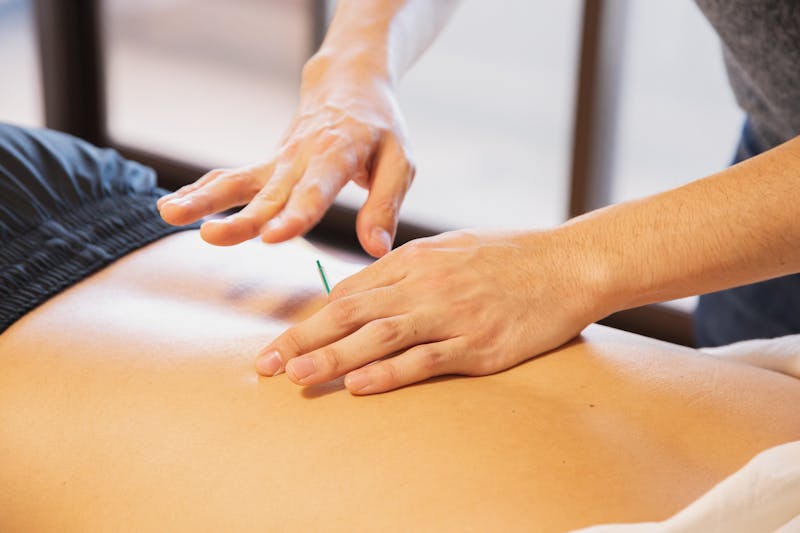
3. Traditional Chinese Medicine (TCM)
TCM is simultaneously ancient healing art, legitimate medical treatment, and unique cultural experience. Popular treatments for foreign visitors:
- Acupuncture: $15-40 per session (vs $75-150 in the US)
- Cupping therapy: $10-30 per session
- Tui Na (medical massage): $20-50 per 60-minute session
- Herbal medicine consultation: $20-50 for diagnosis (pulse reading, tongue examination, health history), plus $50-150 for a month’s herbal supply
- Moxibustion: $15-30 per session
Where to go: Beijing Traditional Chinese Medicine Hospital, Shanghai TCM Hospital, Chengdu University of TCM Hospital. These are public institutions with dedicated foreigner departments that combine traditional approaches with modern diagnostics and safety standards.
Tip: Stick to licensed TCM hospitals rather than random street-side TCM shops. Hospital-based TCM practitioners are fully certified and follow standardized safety protocols.
Health Checkups
Comprehensive health checkup packages are hugely popular with foreign visitors. Many hospitals offer VIP checkup centers where you can get a full workup in a single morning:
A typical VIP checkup (300-800 CNY / $42-112) includes:
- Complete blood panel
- Liver and kidney function tests
- Tumor markers
- Thyroid function
- Abdominal ultrasound
- Chest X-ray or low-dose CT
- ECG (electrocardiogram)
- Urinalysis
Premium packages (1,500-3,000 CNY / $210-420) add:
- Full-body MRI or PET-CT
- Cardiac CT angiography
- Gastroscopy and colonoscopy
- Specialist consultations
Compare that to $5,000-10,000 for a similar executive health checkup in the US, and you understand why people fly to China specifically for this.
Same-day endoscopy: Some hospitals like Guangzhou United Family can arrange a gastroscopy on the same day you request it — morning booking, afternoon procedure. In many Western countries, the wait for an endoscopy is 3-6 months.
Insurance and Payment Tips
Travel Insurance
Most international travel insurance policies cover emergency medical treatment in China. Check your policy before you travel. Key things to verify:
- Does it cover outpatient visits or only emergencies?
- Is there a direct billing arrangement with any Chinese hospitals?
- What is the deductible and coverage limit?
International Health Insurance
If you have an expat health insurance plan (Cigna Global, Allianz Care, Bupa Global, etc.), many international departments and all major private clinics offer direct billing — meaning you show your insurance card and passport, and the hospital bills your insurer directly. No out-of-pocket payment needed.
Self-Pay Tips
If paying out of pocket:
- Bring your passport — required for all registration
- Set up Alipay or WeChat Pay before your visit — here’s our guide
- International departments accept credit cards (Visa, Mastercard), but standard departments may only take cash or mobile pay
- Get itemized receipts — you may be able to claim reimbursement from your home country insurer
- Hospital pharmacies are usually cheaper than private pharmacies for prescription medications
Practical Tips
Language: International departments have English-speaking staff. If visiting a standard department, bring a Chinese-speaking friend or hire a medical interpreter. English-language medical escort services cost approximately 200 CNY ($28) per half-day.
Get connected first: Hospital apps, WeChat mini-programs, and online payment all require internet access. Set up your eSIM and payment apps before you need medical care.
Bring medical records: If you have existing conditions, bring your medical records, recent test results, and a list of current medications (generic names, not brand names). This saves time and avoids duplicate testing.
JCI accreditation: About 100 Chinese hospitals have earned Joint Commission International (JCI) accreditation — the global gold standard for hospital quality and safety. If you want extra peace of mind, choose a JCI-accredited facility.
Prescriptions from home: Chinese pharmacies cannot fill foreign prescriptions. If you take regular medications, bring enough supply for your trip plus a few extra days. For common medications (blood pressure, diabetes, pain relief), Chinese equivalents are readily available and very cheap.
Don’t skip travel insurance: Even though Chinese medical care is affordable, a serious emergency (accident, surgery, medical evacuation) can still be expensive. Always have travel insurance. It costs far less than a single ambulance ride in the US.
Useful Chinese Phrases for the Hospital
| English | Chinese | Pinyin |
|---|---|---|
| I need to see a doctor | 我需要看医生 | Wǒ xūyào kàn yīshēng |
| I need an ambulance | 我需要救护车 | Wǒ xūyào jiùhùchē |
| Where is the hospital? | 医院在哪里? | Yīyuàn zài nǎlǐ? |
| International department | 国际医疗部 | Guójì yīliáo bù |
| Registration desk | 挂号处 | Guàhào chù |
| I have pain here | 我这里疼 | Wǒ zhèlǐ téng |
| I’m allergic to… | 我对…过敏 | Wǒ duì…guòmǐn |
| I have insurance | 我有保险 | Wǒ yǒu bǎoxiǎn |
| How much does it cost? | 多少钱? | Duōshao qián? |
| Pharmacy | 药店 | Yàodiàn |
| Emergency room | 急诊室 | Jízhěn shì |
| Dentist | 牙科 | Yákē |
| Blood test | 验血 | Yàn xuè |
| X-ray | X光 | X guāng |
| Prescription | 处方 | Chǔfāng |
Is It Worth Planning a Medical Trip to China?
If you need dental work, elective surgery, a comprehensive health checkup, or want to try TCM, combining medical care with tourism makes strong financial sense. A round-trip flight plus a dental implant in China can cost less than just the implant alone in the US or Australia.
Many visitors schedule their medical appointments for the first or last days of their trip and spend the rest exploring. A typical “medical travel” itinerary might look like:
- Day 1: Arrive, check into hotel near hospital
- Day 2: Morning consultation and initial tests
- Day 3-5: Sightseeing while waiting for results or between appointments
- Day 6: Follow-up appointment or procedure
- Day 7+: Continue traveling
For more help planning your trip around medical care, check our first trip planning guide and best time to visit China.
With visa-free entry now available for 46 countries, there has never been a more convenient time to combine a China trip with affordable, high-quality medical care. Just make sure you have your eSIM set up, your payment apps ready, and download the essential apps before you fly.


Frequently Asked Questions
How much does seeing a doctor cost in China?
A hospital visit costs 50-200 RMB ($7-28 USD) for registration. Specialist consultations are 100-500 RMB. Many common medications are available at pharmacies without prescription for a few dollars.
Are there English-speaking doctors in China?
Major cities like Beijing, Shanghai, and Guangzhou have international clinics with English-speaking doctors. Public hospitals in big cities often have international departments. Costs at international clinics are higher.