China Street Food Guide: 20 Must-Try Dishes for First-Time Visitors
China has the most exciting street food scene on the planet. That is not an exaggeration. Every city has night markets buzzing with smoke and sizzle, tiny stalls dishing out recipes perfected over generations, and flavors you simply cannot find anywhere else in the world.
The best part? Almost everything costs between 5 and 30 yuan (roughly $0.70 to $4 USD). You can eat like royalty for the price of a coffee back home.
Whether you are a cautious eater or a fearless food explorer, this guide will walk you through the 20 must-try street foods, how to order when you don’t speak a word of Chinese, and where to find the best bites across the country.
Why Chinese Street Food Is Worth the Trip Alone
Three reasons Chinese street food blows everything else away:
- Unmatched variety. China has 34 provinces and regions, each with its own cuisine. You could eat street food for a year and never repeat a dish.
- Made fresh in front of you. Most street food is cooked to order on the spot. You watch the noodles get pulled, the dumplings get folded, the skewers hit the grill. It does not get fresher than this.
- Absurdly cheap. A full meal from a street stall rarely costs more than 15-25 yuan ($2-3.50). A snack is usually 5-10 yuan. Your stomach will be full and your wallet will barely notice.
Now let’s get into the food.
Top 20 Must-Try Street Foods
Save this list on your phone. When you spot any of these at a market or street stall, do not walk past — stop and eat.
Grilled & BBQ
1. Lamb Skewers — 羊肉串 (yáng ròu chuàn)
The king of Chinese street food. Cubes of seasoned lamb threaded onto metal skewers and grilled over charcoal, then dusted with cumin, chili flakes, and salt. Originally from Xinjiang in northwest China, you will find these absolutely everywhere. The smoky, spicy, fatty bite is addictive. Expect to pay ¥3-8 per skewer.
2. Grilled Squid — 烤鱿鱼 (kǎo yóu yú)
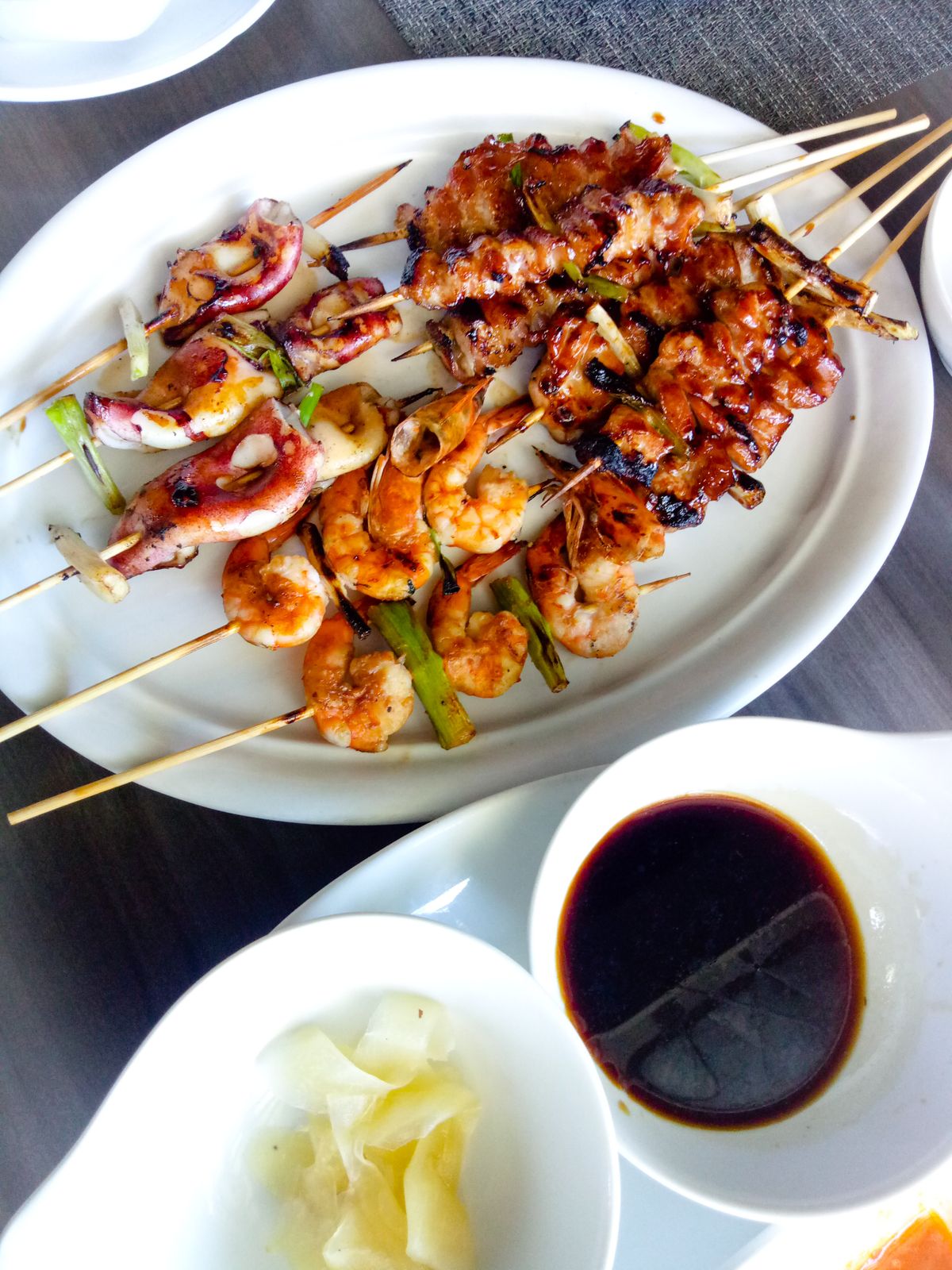
Whole squid or squid tentacles butterflied and thrown on a flat grill, brushed with a spicy-sweet sauce. Charred on the outside, tender on the inside. Found at every night market in China. ¥10-20 per portion.
3. Chinese BBQ — 烧烤 (shāo kǎo)
Shaokao is not one dish — it is an entire world. Stalls offer dozens of items on skewers: chicken wings, enoki mushrooms wrapped in bacon, corn, bread slices, kidneys, eggplant, and things you may not even recognize. Point at what looks good, they grill it up. This is the ultimate late-night street food experience. ¥2-10 per skewer, and you will order many.
Noodles
4. Lanzhou Beef Noodles — 兰州拉面 (lán zhōu lā miàn)
Hand-pulled noodles in a clear, fragrant beef broth topped with tender beef slices, chili oil, cilantro, and radish. Originating from Lanzhou in Gansu province, these shops are on practically every street in China. Watching the noodle master pull and stretch the dough is a show in itself. ¥12-20 for a big bowl.
5. Wonton Noodle Soup — 馄饨面 (hún tun miàn)
Silky thin-skinned wontons filled with pork and shrimp, served in a light broth over thin egg noodles. This Cantonese classic is comfort food at its finest. ¥12-25.
6. Dan Dan Noodles — 担担面 (dàn dàn miàn)
A Sichuan legend. Thin noodles in a fiery sauce made from chili oil, Sichuan peppercorn, minced pork, and preserved vegetables. The numbing, tingling heat is unlike anything in Western cuisine. Small bowls, massive flavor. ¥10-18.
7. Cold Noodles — 凉面/凉皮 (liáng miàn / liáng pí)
Perfect for hot weather. Chewy noodles or flat starch sheets tossed with sesame paste, vinegar, chili oil, cucumber, and bean sprouts. Refreshing, tangy, and satisfying. Liangpi from Xi’an is especially famous. ¥8-15.
Dumplings & Buns
8. Jianbing — 煎饼果子 (jiān bǐng guǒ zi)
China’s ultimate breakfast crepe. A thin batter is spread on a round griddle, an egg is cracked on top, then it is loaded with crispy fried dough (youtiao), scallions, cilantro, and a savory-sweet sauce. Folded up and handed to you in about 90 seconds. This is what millions of Chinese people eat every single morning. ¥7-12.
9. Xiaolongbao — 小笼包 (xiǎo lóng bāo)
Shanghai’s gift to the world. Delicate steamed dumplings with thin, pleated skins encasing a pork filling and a burst of hot, savory soup. The trick: bite a small hole, sip the broth first, then eat the rest. Burn your mouth at least once — it is a rite of passage. ¥15-30 for a steamer basket.
10. Baozi — 包子 (bāo zi)
Big, fluffy steamed buns filled with pork, vegetables, or sweet red bean paste. Baozi are sold from bamboo steamers stacked high on the street, and they are the ultimate grab-and-go breakfast or snack. Cheap, filling, delicious. ¥2-5 each.
11. Shengjianbao — 生煎包 (shēng jiān bāo)
Think of these as xiaolongbao’s crispy cousin. Pan-fried buns with a golden, crunchy bottom, a fluffy top, and a juicy pork filling with soup inside. Sprinkled with sesame seeds and scallions. A Shanghai specialty that deserves to be world-famous. ¥10-20 for four pieces.
Savory Snacks
12. Stinky Tofu — 臭豆腐 (chòu dòu fu)
Yes, it smells terrible. Yes, you should still eat it. Fermented tofu that is deep-fried until crispy on the outside and custardy on the inside, then drizzled with chili sauce and pickled vegetables. The flavor is rich, savory, and complex — nothing like the smell. Changsha is the stinky tofu capital. ¥10-15.
13. Tanghulu — 糖葫芦 (táng hú lu)
Fruit on a stick coated in a crackly shell of hardened sugar syrup. Traditionally made with hawthorn berries, but modern versions use strawberries, grapes, kiwi, and even cherry tomatoes. Beautiful to look at, satisfying to crunch through. The perfect walking-around snack. ¥5-15.
14. Egg Waffle — 鸡蛋仔 (jī dàn zǎi)
Originating from Hong Kong and now everywhere. A batter is poured into a special mold that creates a sheet of connected golden egg-shaped bubbles. Crispy on the outside, soft and custardy inside. Tear off the bubbles one by one. Some vendors top them with ice cream or fruit. ¥10-20.
15. Scallion Pancake — 葱油饼 (cōng yóu bǐng)
Layers of flaky, crispy dough loaded with chopped scallions and cooked on a flat griddle until golden. Simple, savory, and deeply satisfying. Some versions are stuffed with egg, meat, or vegetables. One of the best cheap eats in China. ¥5-10.
Sweet Treats
16. Tangyuan — 汤圆 (tāng yuán)
Soft, chewy glutinous rice balls served in a warm sweet broth. Fillings range from black sesame paste (the classic) to peanut, red bean, or even savory pork. The texture is unlike anything in Western desserts — pillowy and slightly sticky in the best way. ¥8-15.
17. Douhua — 豆花 (dòu huā)
Silky, impossibly smooth fresh tofu pudding. In the south it is served sweet with sugar syrup and toppings like red beans, peanuts, and taro balls. In the north it is savory with soy sauce, chili oil, and pickled vegetables. Either way, it is light, delicate, and comforting. ¥5-10.
Adventurous Eats
18. Hot Pot — 火锅 (huǒ guō)
Not technically street food, but you will find hot pot stalls and restaurants on every street, so it counts. A bubbling pot of broth sits in the center of your table and you cook raw ingredients in it yourself: thinly sliced meat, tofu, mushrooms, leafy greens, noodles, and much more. Sichuan-style uses a fiery, numbing red oil broth. It is a social, interactive meal and an absolute must-do. ¥40-80 per person at a casual spot.
19. Malatang — 麻辣烫 (má là tàng)
Think of malatang as hot pot’s fast-casual little sibling. You grab a basket, fill it with whatever ingredients you want from a buffet-style display — noodles, vegetables, tofu, meats, mushrooms — hand it to the cook, and they boil it all in a spicy broth and serve it in a bowl. Customizable, quick, and incredibly satisfying. ¥15-35 depending on how much you pile in.
20. Rou Jia Mo — 肉夹馍 (ròu jiā mó)
Often called the “Chinese hamburger.” Slow-braised, spiced pork (or beef, or lamb) chopped and stuffed into a crispy flatbread bun. Juicy, savory, and portable. A Xi’an classic that has conquered the entire country. ¥8-15.
How to Order Without Speaking Chinese
You do not need to speak Mandarin to eat well in China. Here is how:
Point and gesture. Most street food stalls display their items openly. Just point at what you want and hold up fingers for how many. This works 90% of the time.
Show the Chinese characters. Save this article on your phone. When you want a specific dish, show the vendor the Chinese name. They will understand instantly. This is the single most useful trick.
Use translation apps. Google Translate’s camera mode can translate menus in real time. Pleco is a fantastic offline Chinese dictionary. Download both before your trip.
Learn a few key phrases:
| English | Chinese | Pinyin |
|---|---|---|
| I want this one | 我要这个 | wǒ yào zhè ge |
| How much? | 多少钱? | duō shao qián? |
| One / Two / Three | 一个 / 两个 / 三个 | yī gè / liǎng gè / sān gè |
| Not spicy | 不要辣 | bú yào là |
| A little spicy | 微辣 | wēi là |
| Delicious! | 好吃! | hǎo chī! |
That last one will make every vendor smile. Use it generously.
Food Safety Tips
Street food in China is overwhelmingly safe if you follow a few common-sense rules:
- Eat where the locals eat. A stall with a long line of Chinese customers is almost always a safe bet. If locals trust it, you can too.
- Freshly cooked is safe. Anything that is cooked to order at high heat right in front of you — grilled, fried, boiled, steamed — carries very low risk.
- Be cautious with raw items. Avoid raw salads, unpeeled fruit from stalls, or anything that has been sitting out uncovered for a long time.
- Drink bottled or boiled water. Do not drink tap water. Bottled water is cheap and sold everywhere.
- Ease in gradually. If your stomach is not used to oily or spicy food, start mild and work your way up. Do not go full Sichuan on day one.
If you do get an upset stomach, it will almost certainly be mild and temporary. Carry some basic digestive medicine and you will be fine.
Best Street Food Cities in China
While every Chinese city has great food, these five are the undisputed street food capitals:
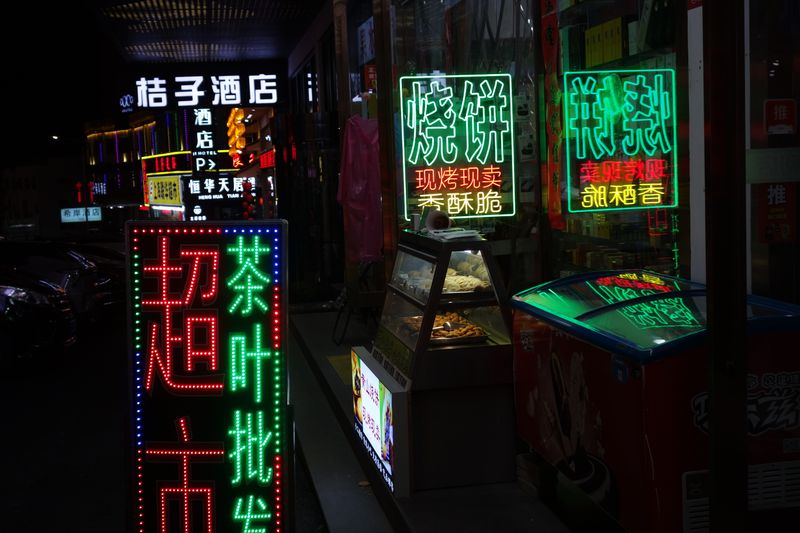
Chengdu — The spicy capital. Sichuan peppercorn and chili dominate. Must-try: dan dan noodles, malatang, hot pot, rabbit heads (if you dare).
Xi’an — The Muslim Quarter night market is one of the greatest food streets on earth. Must-try: rou jia mo, liangpi, lamb skewers, biangbiang noodles.
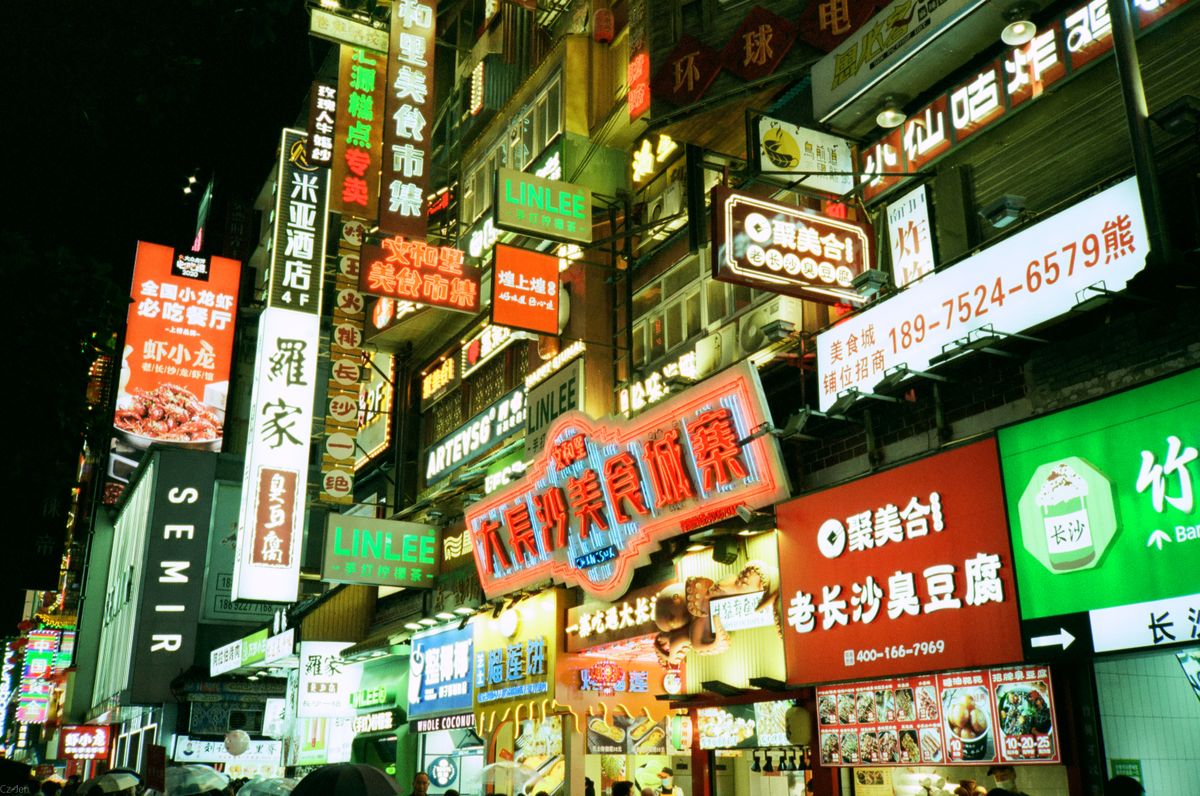
Changsha — Hunan province’s fiery capital has a late-night food culture that rivals anywhere. Must-try: stinky tofu, Changsha rice noodles, crayfish.
Beijing — From Wangfujing snack street to hutong hole-in-the-wall shops. Must-try: jianbing, zhajiangmian (fried sauce noodles), tanghulu, Peking duck (not street food, but mandatory).
Shanghai — Refined street food with incredible dumpling culture. Must-try: xiaolongbao, shengjianbao, scallion pancakes, cong you ban mian (scallion oil noodles).
What to Expect for Prices
Chinese street food is extraordinarily affordable:
| Item | Typical Price |
|---|---|
| Single skewer or snack | ¥3-10 ($0.40-1.40) |
| Noodles or rice dish | ¥12-25 ($1.70-3.50) |
| Dumplings (one serving) | ¥10-30 ($1.40-4.20) |
| Jianbing (breakfast crepe) | ¥7-12 ($1.00-1.70) |
| Full hot pot meal | ¥40-80 ($5.50-11.00) |
You can comfortably eat three meals a day from street stalls and spend under ¥80 ($11) total. Seriously.
How to Pay
Here is the one thing that catches foreign visitors off guard: most street food vendors in China do not accept cash or credit cards. Almost everything is paid via mobile payment — specifically Alipay or WeChat Pay.
The good news is that both apps now allow foreign visitors to link an international credit card directly. Set this up before you arrive.
For a complete walkthrough on getting your payments sorted, read our China Payment Guide. This is essential pre-trip preparation — do not skip it.
Pro tip: Carry a small amount of cash (¥100-200 in small bills) as a backup. A few old-school vendors still prefer it.
Next Steps: Plan the Rest of Your Trip
Street food is just one piece of an incredible China trip. Here is what to read next:
- Best eSIM for China — Stay connected with Google Maps, translation apps, and all your usual apps. Essential for navigating food markets and translating menus.
- China Payment Guide — Set up Alipay or WeChat Pay so you can actually pay for all this amazing food.
- China Travel Checklist — Everything you need to prepare before your trip, from visas to packing essentials.
Now get out there and eat everything. Your taste buds are about to have the adventure of a lifetime.

Frequently Asked Questions
Is Chinese street food safe to eat?
Yes, Chinese street food is generally safe. Choose busy stalls (high turnover means fresh food), look for food cooked to order in front of you, and check that vendors use clean utensils. Night markets are usually the safest option.
How much does street food cost in China?
Most street food dishes cost 5-15 RMB ($0.70-$2 USD). A full meal from street vendors typically costs 20-40 RMB ($3-6 USD). Night markets offer the best variety and value.