Hangzhou Travel Guide 2026: West Lake, Ancient Temples & Tea Culture
Hangzhou is the city that has been making poets lose their composure for over a thousand years. There is an old Chinese saying — “Above there is heaven, below there are Suzhou and Hangzhou” — and while every Chinese city claims to be special, Hangzhou actually has the receipts. A UNESCO World Heritage lake at its center, misty green hills on three sides, some of the finest tea on the planet, and a food culture that trades Sichuan’s brute-force spice for a quieter, more refined kind of deliciousness.
It is also a city of contradictions. Hangzhou was the capital of the Southern Song Dynasty nearly a thousand years ago, and it is also the headquarters of Alibaba, the company that basically invented mobile payments in China. Ancient pagodas share the skyline with the glass towers of China’s tech industry. Buddhist monks walk past software engineers on their lunch break. The past and the future coexist here more comfortably than in almost any other Chinese city.
For foreign visitors, Hangzhou is one of the easiest cities in China to fall in love with. It is clean, green, walkable around the lake, well-connected to Shanghai by a 50-minute bullet train, and manages to feel both cosmopolitan and deeply traditional at the same time. If you only have time for one city outside Shanghai, make it this one.
Why Visit Hangzhou
Four reasons Hangzhou earns a spot on any China itinerary:
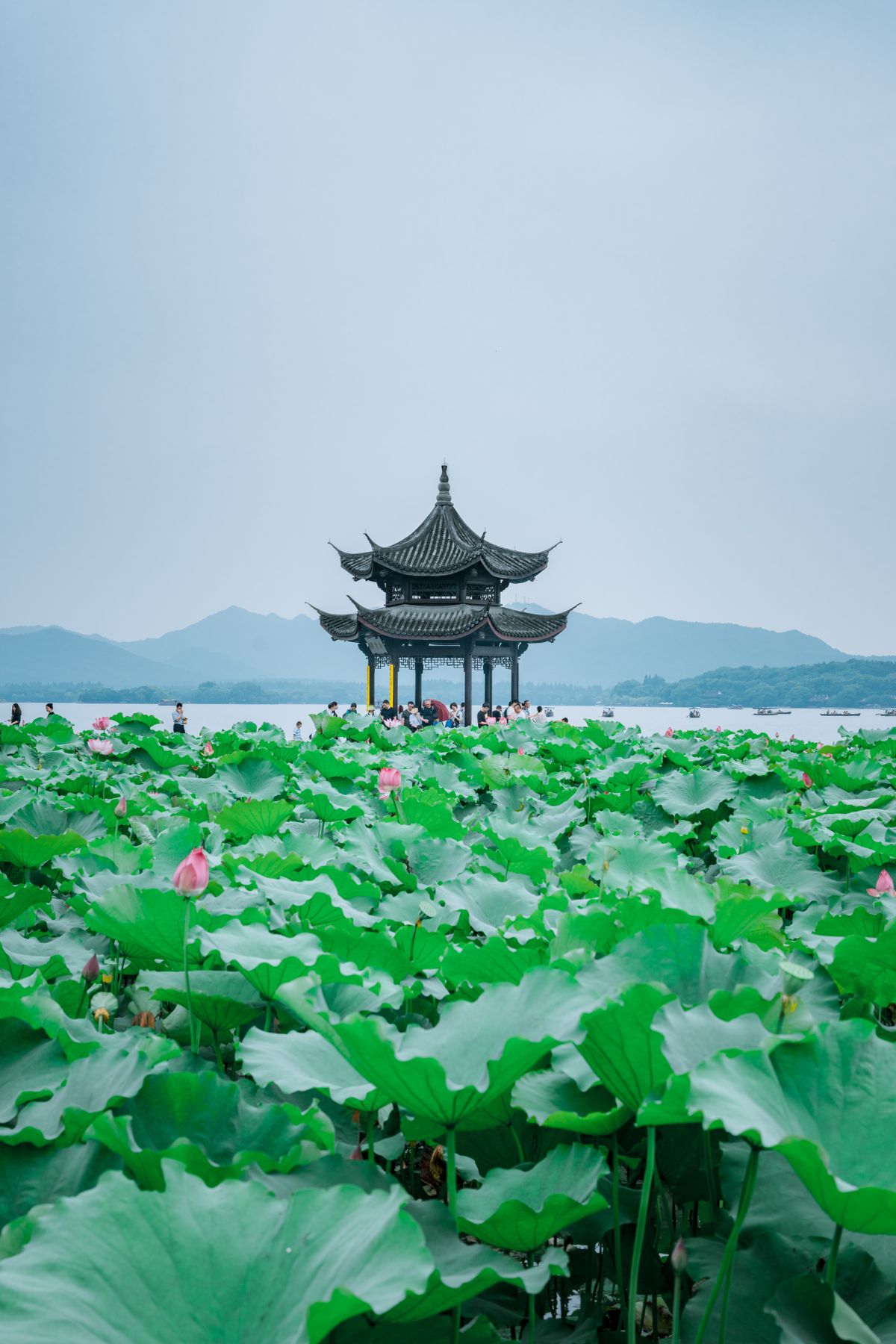
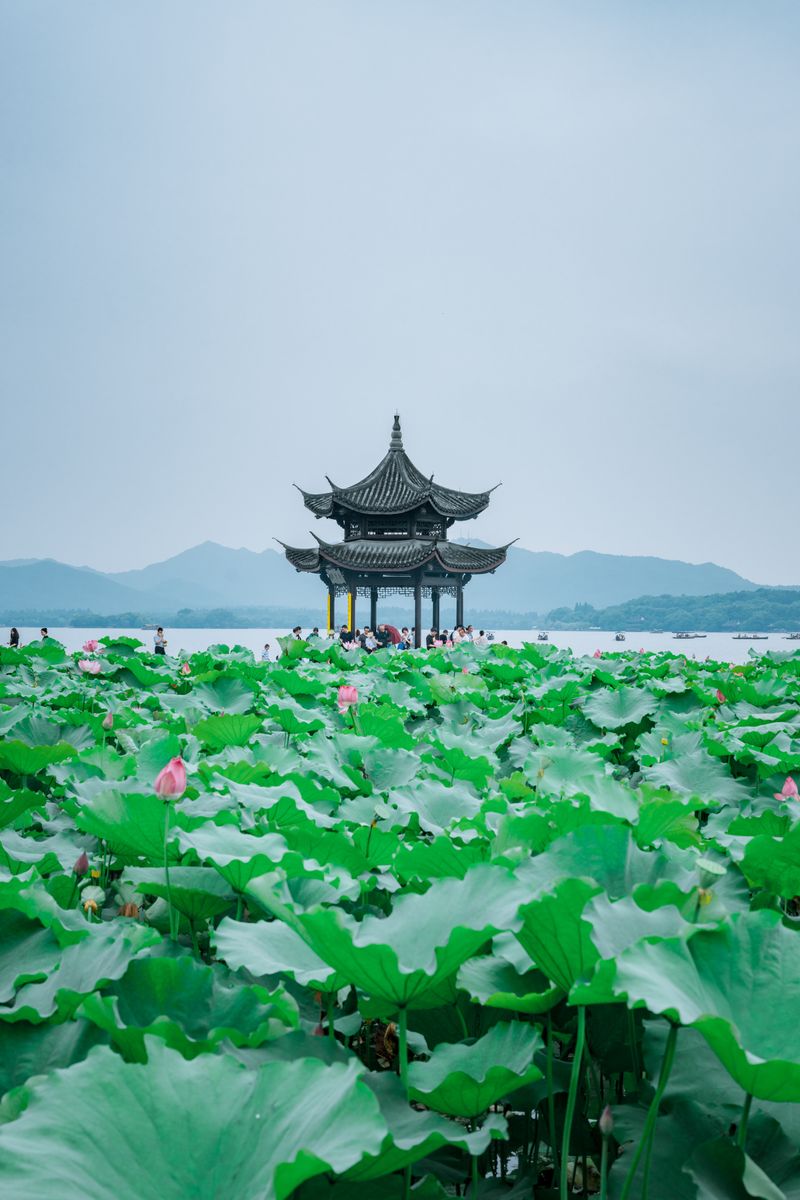
West Lake is the real deal. This is not a park with a pond. West Lake (Xi Hu) is a UNESCO World Heritage Site that has shaped Chinese art, poetry, and landscape design for over a millennium. The combination of water, willow trees, arched bridges, pagodas, and misty hills is the foundational image of classical Chinese beauty. Seeing it in person — especially at dawn or dusk — is one of those travel moments that genuinely lives up to the hype.
It is the tea capital of China. Longjing (Dragon Well) tea is among the most prized green teas in the world, and it grows in the hills just west of the city. You can visit the villages where it is picked, sit with farmers, watch the leaves being roasted by hand in iron woks, and drink the freshest cup of green tea you have ever tasted. Tea culture here is not performative — it is daily life.
The food is subtle and extraordinary. Hangzhou cuisine (one of the major schools of Zhejiang cooking) is lighter, sweeter, and more delicate than what you find in Sichuan or northern China. Dishes like Dongpo pork, beggar’s chicken, and West Lake fish in vinegar sauce have been perfected here over centuries. It is comfort food elevated to an art form.
Shanghai is next door. Hangzhou sits at the southern end of the Yangtze River Delta, just 170 kilometers from Shanghai. The high-speed train takes about 50 minutes, which means you can easily combine the two cities or use Hangzhou as a day trip from Shanghai. But trust me — you will want to stay longer than a day.
West Lake
West Lake is the heart of Hangzhou, and it is where you will spend most of your time. The lake is roughly 6.5 kilometers in circumference, surrounded by tree-lined paths, gardens, temples, and causeways. A full walk around the perimeter takes about 2 to 3 hours at a comfortable pace. Here are the highlights.
Broken Bridge (Duanqiao)
Start here. The Broken Bridge sits at the northeastern corner of the lake and is one of the most iconic spots in Hangzhou. The name comes from the way snow melts unevenly on the bridge in winter, making it look “broken” from a distance. It is also the setting of one of China’s most famous love stories — the Legend of the White Snake. In practical terms, it is a beautiful stone bridge with excellent views across the lake toward the Baochu Pagoda on the hill. Come early in the morning before the crowds arrive.
Su Causeway (Su Di)
A 2.8-kilometer tree-lined causeway that runs north-south across the western side of the lake, built in the 11th century by the poet-governor Su Dongpo (the same man who invented Dongpo pork — more on that later). Walking or cycling along Su Causeway in the early morning, with willows dragging in the water and mist hanging over the lake, is one of those perfectly atmospheric Chinese experiences. Six arched bridges cross the causeway at intervals, each with its own view.
Leifeng Pagoda
On the south shore of West Lake, Leifeng Pagoda is a five-story tower rebuilt in 2002 on the foundations of the original 10th-century structure. The original collapsed in 1924, and its reconstruction sparked decades of debate. Take the elevator to the top for panoramic views of the lake, the city skyline, and the surrounding hills. The interior has carved wooden panels telling the Legend of the White Snake.
Tickets: 40 CNY. The sunset views from the top are outstanding.
Three Pools Mirroring the Moon (San Tan Yin Yue)
Three small stone pagodas sitting in the water near the center of the lake. During the Mid-Autumn Festival, candles are placed inside the pagodas, and their reflections create what locals describe as “thirty-three moons” on the water’s surface. The image appears on the back of China’s one-yuan bill. You can only get close to them by boat.
Boat Rides
Taking a boat on West Lake is not optional — it is essential. Several options exist:
- Hand-rowed wooden boats hold 4-6 people and cost around 150-180 CNY per boat (not per person) for a roughly 1-hour circuit. This is the most atmospheric choice.
- Electric-powered larger boats cost 55 CNY per person and follow fixed routes with stops at the island gardens (including the Three Pools area).
- Self-paddle boats are available on the east shore for about 40-60 CNY per hour if you want to do the work yourself.
Cycling the Lake
Shared bikes are the best way to cover ground around West Lake. The lakeside path is flat, well-paved, and shaded by trees. A full loop takes about an hour by bike. Meituan (yellow) and Hellobike (blue) bikes are parked everywhere along the lake. Scan the QR code with Alipay to unlock one — rides cost about 1.5 CNY per 15 minutes. See our payment guide for help setting up Alipay.
Must-See Attractions
Beyond West Lake, Hangzhou has a deep bench of historical and natural sites.
Lingyin Temple
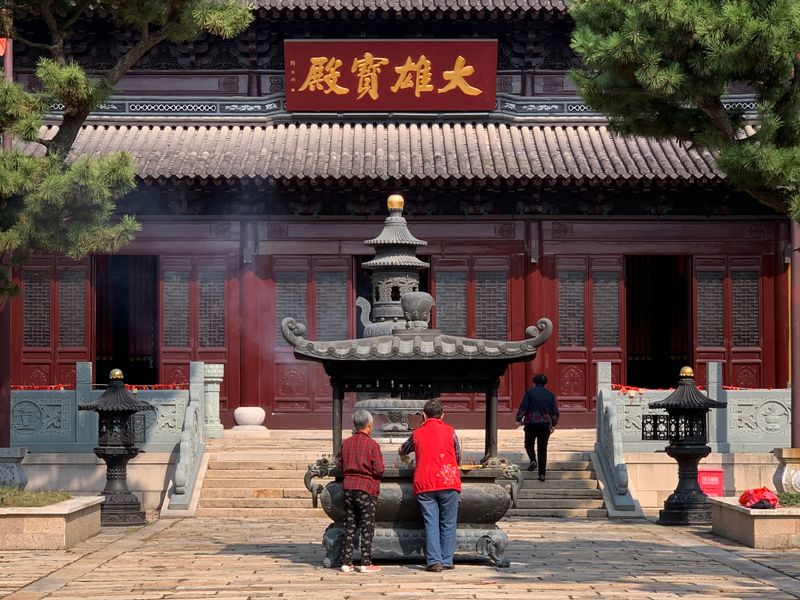
One of the largest and most important Buddhist temples in China, Lingyin Temple (Temple of the Soul’s Retreat) was founded in 328 AD and sits in a forested valley west of the lake. The temple complex is massive — multiple halls, courtyards, grottos with hundreds of stone-carved Buddhist figures, and ancient trees that filter the light into something almost otherworldly.
The main hall houses a 20-meter-tall gilded statue of Sakyamuni Buddha carved from camphor wood. The Feilai Feng (Peak That Flew From Afar) rock face next to the temple contains over 300 Buddhist carvings dating from the 10th to 14th centuries.
Tickets: 75 CNY (covers both the Feilai Feng scenic area and the temple). Budget 2-3 hours for a thorough visit. Get there before 9 AM to beat the tour groups. The temple is about 7 kilometers west of the lake — take bus K7 or a Didi.
Hefang Street (Hefang Jie)
Hangzhou’s main pedestrian heritage street, modeled after a Southern Song Dynasty commercial district. It runs alongside the foot of Wushan Hill and is packed with snack vendors, tea shops, traditional pharmacies, silk stores, and street performers. Yes, it is touristy. But the food stalls are legitimate, and the atmosphere — especially on weekend evenings — is lively and fun.
Try the ding sheng gao (a warm rice cake), dragon-beard candy, and local savory crepes. Most snacks cost 5-15 CNY. For more street food ideas, check our street food guide.
Free to enter. Best visited late afternoon into evening.
Six Harmonies Pagoda (Liuhe Ta)
A 60-meter octagonal pagoda on the north bank of the Qiantang River, originally built in 970 AD to calm the tidal bore. The pagoda offers sweeping views of the river and the surrounding hills. Behind the pagoda is a garden with dozens of miniature pagoda replicas from across China — a quirky and surprisingly interesting outdoor museum.
Tickets: 20 CNY (pagoda climb additional 10 CNY). About 20 minutes by taxi from the lake.
Xixi National Wetland Park
A 10-square-kilometer wetland preserve on the western edge of the city — think of it as Hangzhou’s green lung. Wooden boardwalks wind through reed marshes, persimmon orchards, and small traditional villages. You can explore on foot or take a slow boat through the waterways (electric boat 60 CNY per person). It is a peaceful counterpoint to the busier West Lake area.
Tickets: 80 CNY. Budget half a day. Best visited on a weekday for the quietest experience.
Longjing Tea Experience
Hangzhou without tea is like Paris without wine — technically possible, but you are missing the point.
Longjing Village
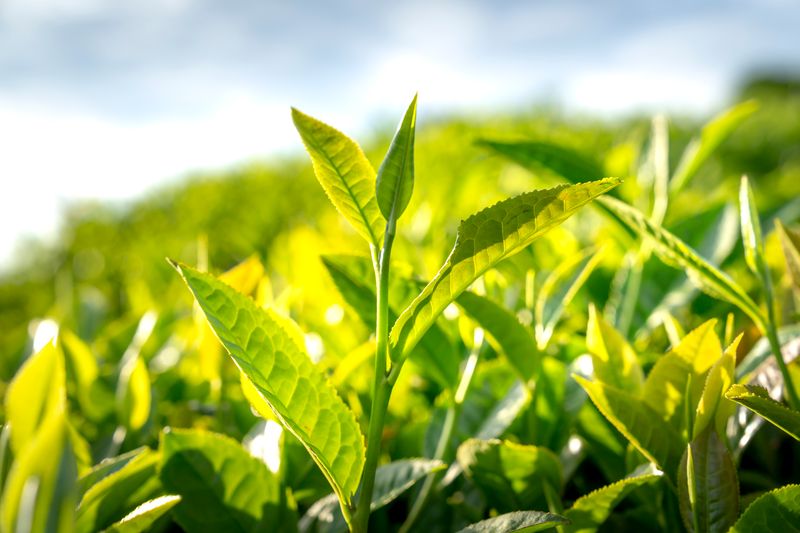
The most famous tea village is Longjing (Dragon Well) Village itself, nestled in the hills about 5 kilometers southwest of West Lake. The village is surrounded by terraced tea fields — rows of bright green tea bushes climbing up hillsides that look like they belong in a painting.
Walk through the village and local farmers will invite you to sit, taste their tea, and — inevitably — try to sell you some. This is fine. The tea is excellent, and buying directly from a farmer is one of the best souvenirs you can bring home. Expect to pay 200-800 CNY per 250 grams for genuine pre-Qingming (early spring) Longjing, depending on grade. Cheaper options exist, but the good stuff is worth it.
Getting there: Bus 27 from the lakeside runs to the village, or take a Didi for about 25-35 CNY from the city center. The ride takes you through winding mountain roads lined with tea bushes.
China National Tea Museum
If you want context before the village visit, stop at the China National Tea Museum (Zhongguo Cha Ye Bowuguan), located between the lake and the tea villages. Free admission. The museum covers the history, cultivation, and preparation of Chinese tea across all regions and types. They offer tea-tasting sessions and occasional ceremonies. It is small but well-done and genuinely educational.
Tea Tasting Tips
- Longjing tea should be brewed in a glass cup, not a teapot. Watching the flat, sword-shaped leaves slowly unfurl and sink in hot water is part of the experience.
- The water temperature matters. Use water around 80 degrees Celsius, not boiling — overheating scorches the delicate leaves and makes them bitter.
- The first steep is the best. You can re-steep the same leaves 2-3 times, but the flavor fades with each round.
- The best Longjing is picked before the Qingming Festival (early April). If you visit in late March or April, you can sometimes watch the picking and roasting in real time.
Food and Drink
Hangzhou cuisine is the refined, understated sibling of China’s spicier traditions. Where Sichuan hits you with a wall of chili and numbing peppercorn, Hangzhou sneaks up on you with sweetness, freshness, and texture. The local cooking philosophy is simple: start with exceptional ingredients and do not overpower them.
Dongpo Pork (Dongpo Rou)
The signature dish. Thick cubes of pork belly braised for hours in Shaoxing wine, soy sauce, and sugar until the fat renders into something that melts on your tongue like butter. Named after Su Dongpo, the Song Dynasty poet who governed Hangzhou and allegedly invented the recipe. Every restaurant in the city serves it. A good version has a dark, caramelized exterior and layers of fat and lean meat that fall apart at the touch of chopsticks. About 48-88 CNY per serving.
Best place to try it: Louwailou, a restaurant on the shore of West Lake that has been operating since 1848. It is touristy and not cheap (expect 150-250 CNY per person for a full meal), but the Dongpo pork and West Lake fish are the classic versions.
West Lake Fish in Vinegar Sauce (Xi Hu Cu Yu)
A whole grass carp poached and served in a sweet-and-sour sauce. The fish should be silky and tender, and the sauce — a balance of Zhejiang black vinegar and sugar — should be light enough that you can taste the fish itself. When done well, it is one of the most elegant Chinese dishes you will ever eat.
Beggar’s Chicken (Jiaohua Ji)
A whole chicken stuffed with aromatics, wrapped in lotus leaves and clay, then slow-baked until the meat is impossibly tender and fragrant. The name comes from a folk story about a beggar who stole a chicken and buried it in mud to cook over a fire. You crack open the hardened clay shell at the table. It is theatrical and delicious. Expect to pay 128-188 CNY for a whole chicken — order it in advance at restaurants, as it takes hours to prepare.
Longjing Shrimp (Longjing Xia Ren)
Fresh river shrimp stir-fried with Longjing tea leaves. The tea infuses the shrimp with a subtle grassy, floral flavor. It is a dish unique to Hangzhou and a perfect example of the city’s cooking philosophy: two great local ingredients, minimal interference, maximum result. About 68-128 CNY per plate depending on the restaurant.
Xiaolongbao and Other Street Eats
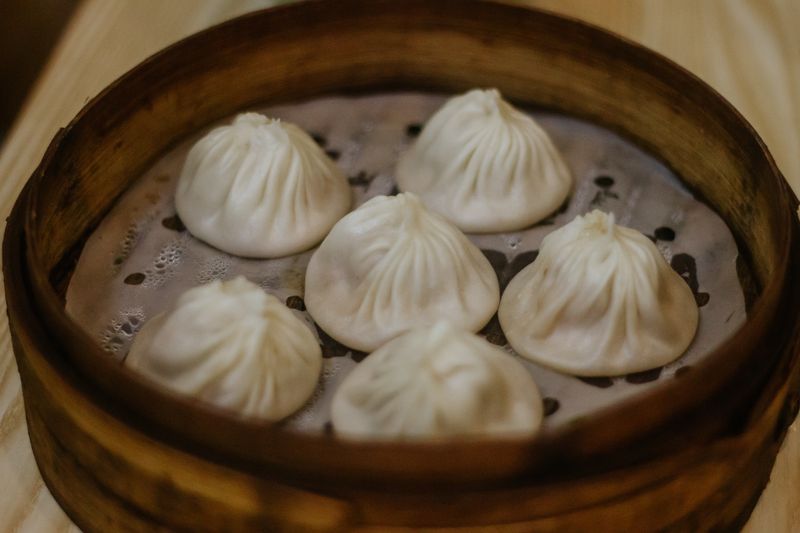
Hangzhou has its own style of xiaolongbao (soup dumplings) — slightly larger and sweeter than the Shanghai version. Zhiweiguan, a famous chain with branches across the city, serves reliable ones for about 20-35 CNY per steamer. On Hefang Street and around the lake, look for cong bao hui (scallion pancakes), cat-ear noodles (mao er duo), and savory zongzi (sticky rice wrapped in bamboo leaves).
Day Trips
Hangzhou’s position in the Yangtze River Delta puts several outstanding destinations within easy reach.
Wuzhen Water Town
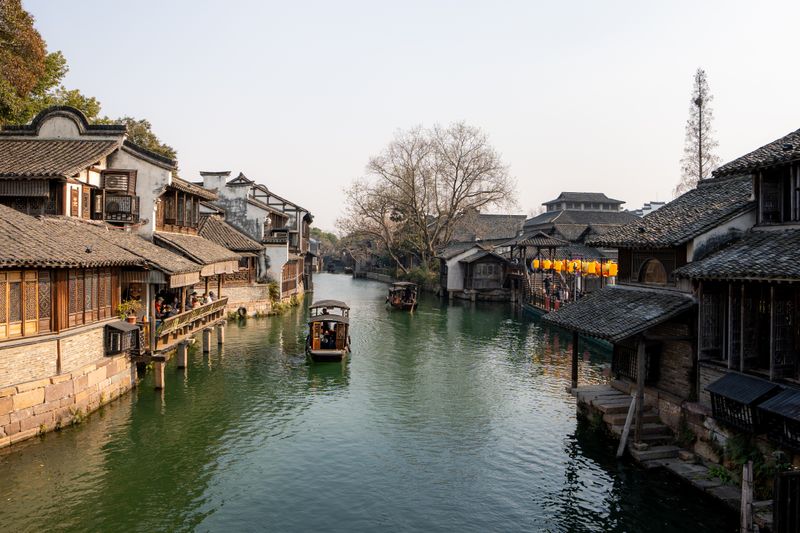
The most atmospheric of the Yangtze Delta water towns, Wuzhen is a network of stone-paved lanes, arched bridges, and whitewashed buildings lining narrow canals. It has been beautifully preserved (some would say overly curated), and walking along the canals at dusk — when the red lanterns come on and the day-trippers leave — is magical.
Getting there: Direct buses from Hangzhou’s Passenger Transport Center take about 1.5-2 hours and cost around 30-50 CNY. Alternatively, take a high-speed train to Tongxiang (about 25 minutes, 20-30 CNY) and then a local bus or Didi to Wuzhen (20 minutes). For help booking trains, see our train tickets guide.
Tickets: The West Scenic Zone (Xi Zha) is the more beautiful and atmospheric section — 150 CNY admission. The East Scenic Zone (Dong Zha) is smaller and cheaper at 110 CNY. A combined ticket costs 190 CNY. If you only have time for one, choose the West Zone, and try to stay until evening for the lantern-lit canal views.
Moganshan
A mountain retreat about 60 kilometers north of Hangzhou, Moganshan (Mount Mogan) was a summer escape for Shanghai-based foreign diplomats in the 1920s and 1930s. Today it is dotted with boutique hotels, repurposed colonial-era villas, bamboo forests, and hiking trails. It is the perfect antidote if you need a break from city sightseeing.
Getting there: Direct buses run from Hangzhou to Moganshan town (about 1.5 hours), or take a Didi for roughly 200-300 CNY. Some visitors hire a car for the day. There is no direct train.
What to do: Hike the trails through bamboo groves, visit the old stone villas, and enjoy the mountain air. Boutique hotels and guesthouses range from 400-1,500 CNY per night. Moganshan works well as an overnight trip — arrive in the afternoon, hike the next morning, return to Hangzhou by lunch.
Getting Around
Hangzhou is well-organized for visitors and its public transport is excellent.
Metro
Hangzhou’s metro system has expanded rapidly and now covers 12 lines with over 300 stations. It reaches the main train station, the airport, and most tourist areas. Rides cost 2-8 CNY depending on distance. Signage and announcements are bilingual (Chinese and English). You can pay with Alipay by scanning at the turnstile — no ticket needed.
Shared Bikes
This is the single best way to explore the West Lake area. Hangzhou was actually one of the first cities in the world to launch a public bike-sharing system (back in 2008, before it was trendy). Today, Meituan and Hellobike dominate. Scan with Alipay to unlock. The lakeside paths are flat and bike-friendly.
Didi
For anything beyond the lake area — Lingyin Temple, the tea villages, Xixi Wetlands, restaurant runs — Didi is cheap and efficient. Most rides within the city cost 15-40 CNY. Have your destination saved in Chinese in the app.
Buses
Hangzhou’s bus system is extensive and cheap (2-3 CNY per ride), but routes can be confusing without Chinese. Bus K7 is useful — it runs a loop connecting the lake area with Lingyin Temple. Pay with Alipay or exact change.
Practical Tips
Best Time to Visit
Spring (late March through May) is peak season for good reason. The tea harvest is underway, the willows along West Lake are brilliantly green, and temperatures sit comfortably around 15-25 degrees Celsius. Late March and April are especially beautiful.
Autumn (September through November) is the other sweet spot. Clear skies, comfortable temperatures, and the osmanthus trees that line many of Hangzhou’s streets bloom in October, filling the air with an intoxicating sweet fragrance that locals call gui hua xiang.
Summer (June through August) is hot and humid — regularly above 35 degrees Celsius — and July brings the plum rain season (meiyu), meaning weeks of persistent drizzle. Not ideal, but the lake has a certain misty beauty in the rain.
Winter (December through February) is cold and grey, but the rare snowfall on West Lake creates one of the most photographed scenes in China. Crowds are thin and hotel prices drop.
Avoid national holidays at all costs. The first week of October (Golden Week) and Chinese New Year turn West Lake into a sea of humanity — millions of domestic tourists descend on the city. It is genuinely unpleasant.
Where to Stay
Lakeside (Hubin area): The premium location. Hotels along the east shore of West Lake put you within walking distance of Broken Bridge, Hefang Street, and the main lakeside promenades. Mid-range options run 400-800 CNY per night. The Hyatt Regency and Four Seasons are the luxury flagships if budget is not a concern.
Wulin Square / Yan’an Road area: The commercial center, about 10 minutes’ walk north of the lake. More hotel options, better restaurant density, and slightly lower prices (300-600 CNY). Well-connected by metro.
Budget travelers: Hostels near the lake run 60-100 CNY for dorm beds and 180-300 CNY for private rooms. Mingtown Youth Hostel on Nanshan Road has a great location and a rooftop with lake views.
Getting There from Shanghai
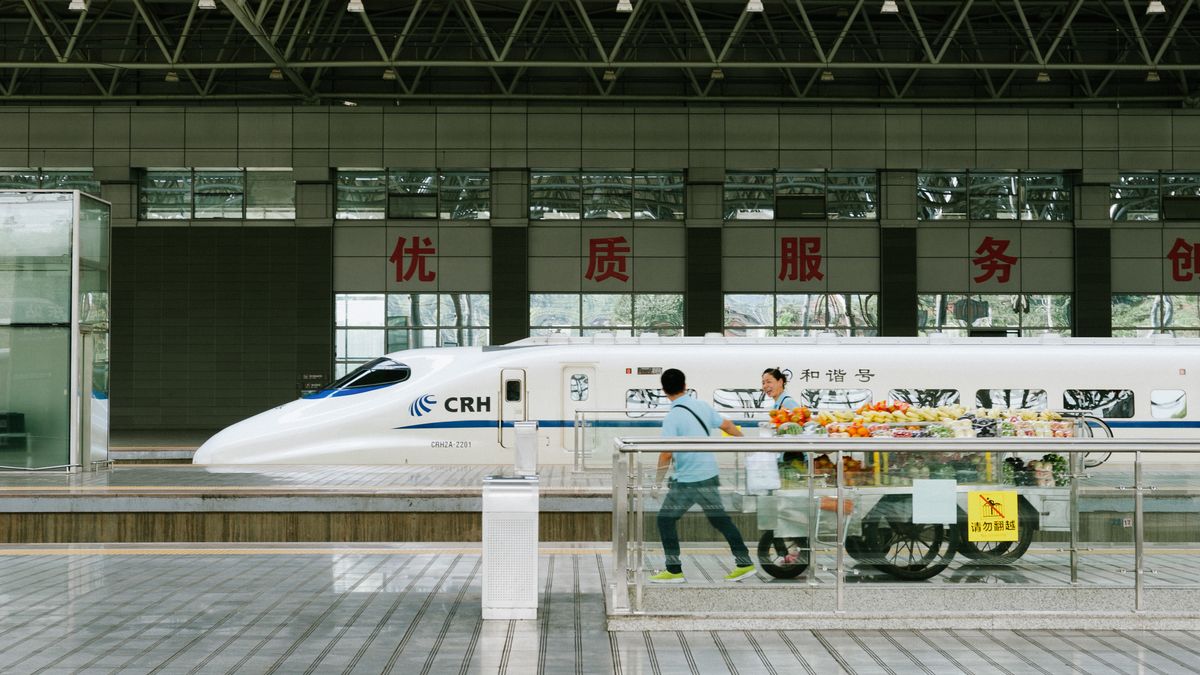
The high-speed train from Shanghai Hongqiao Station to Hangzhou East Station takes about 50 minutes and costs 73-85 CNY for a second-class seat. Trains run every 10-15 minutes throughout the day. It is one of the most convenient intercity rail connections in China — barely longer than a crosstown drive in Shanghai. Book through 12306 or Trip.com; see our train tickets guide for a walkthrough.
From Hangzhou East Station, take Metro Line 1 to the West Lake area (about 25 minutes to Longxiangqiao station, the closest stop to the lake’s east shore).
Connectivity and Payments
Get a China eSIM set up before you arrive. You will need mobile data for navigation, Didi, bike sharing, and translating menus. Set up your payment apps before the trip — Alipay and WeChat Pay work everywhere in Hangzhou, from fine-dining restaurants to the farmer selling tea in Longjing Village. Carry a small amount of cash (100-200 CNY) as backup, but you can realistically spend days without touching paper money.
Hangzhou is a city that does not shout. It does not overwhelm you with size or dazzle you with neon. It earns your affection slowly — through the stillness of the lake at dawn, the warmth of a cup of Longjing tea pressed into your hands by a smiling farmer, the first bite of pork belly that has been braising since before you woke up. It is the kind of place that stays with you long after you leave, and the kind of place that quietly rearranges your idea of what a great city can be. Give it at least two full days. You will wish you had given it more.
Frequently Asked Questions
How many days do you need in Hangzhou?
2-3 days is ideal. Day 1: West Lake boat ride, Lingyin Temple, and tea plantations. Day 2: Hefang Street, China National Silk Museum, and evening Impression West Lake show. Day 3: Day trip to Wuzhen water town.
How do I get from Shanghai to Hangzhou?
Take the high-speed train from Shanghai Hongqiao station — it takes only 50 minutes and costs about ¥75. Trains run every 10-15 minutes throughout the day.