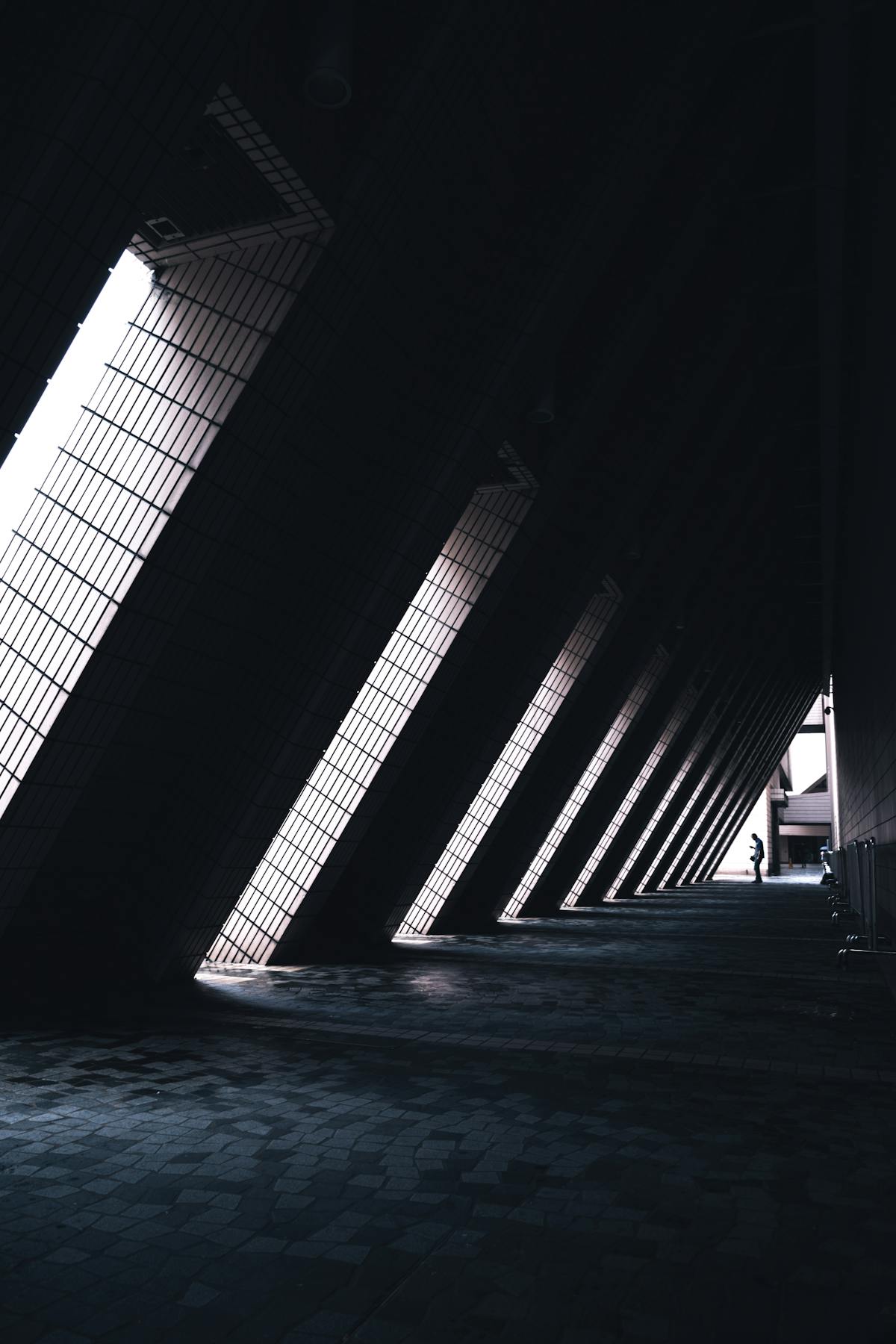
Hong Kong Travel Guide 2026: Skyline Views, Dim Sum & Island Escapes
Hong Kong is one of those cities that hits you all at once. You step out of the airport, board a sleek train into the city, and within thirty minutes you are surrounded by neon signs, towering skyscrapers, the smell of roast goose, and more energy per square meter than almost anywhere else on earth.
It is a city where you can hike a jungle trail in the morning, eat some of the best dim sum on the planet for lunch, shop in a chaotic street market in the afternoon, and watch one of the world’s great skylines light up at night — all without ever getting in a car.
For Western travelers, Hong Kong is also one of the easiest cities in Asia to visit. English is widely spoken, the public transport is world-class, and the food scene is staggering. And if you are planning a trip into mainland China, Hong Kong is the perfect gateway to ease into it.
Why Visit Hong Kong
Hong Kong occupies a unique space in the world. For over 150 years it was a British colony, and that history shows — in the bilingual street signs, the afternoon tea traditions, and the fact that nearly everyone speaks at least some English. But it is also deeply, vibrantly Chinese, with temples squeezed between office towers, wet markets selling live seafood, and dim sum restaurants perfecting their craft for generations.
It is a food paradise. Hong Kong has more restaurants per capita than almost any other city in the world. You can eat Michelin-starred dim sum for under HK$100 (about $13 USD), slurp wonton noodles at a decades-old shop for HK$40, or sit down to a Cantonese banquet that rivals anything in Guangzhou.
The nature is shockingly good. Despite its reputation as a concrete jungle, roughly 75% of Hong Kong’s land area is countryside. There are hiking trails with coastal views that rival Southeast Asia, outlying islands with zero cars and pristine beaches, and a UNESCO Global Geopark with volcanic rock formations millions of years old.
It is a gateway to mainland China. Hong Kong sits right on the border with Shenzhen. You can take a high-speed train to Guangzhou in under an hour, catch a ferry to Macau in sixty minutes, or fly to Beijing or Shanghai in a few hours. For help planning a broader China trip, check out our visa-free entry guide.
Top Attractions
Victoria Peak
The view from the Peak — looking down over Central’s skyscrapers, across Victoria Harbour to Kowloon, and out to the green mountains beyond — is genuinely breathtaking, especially at dusk.
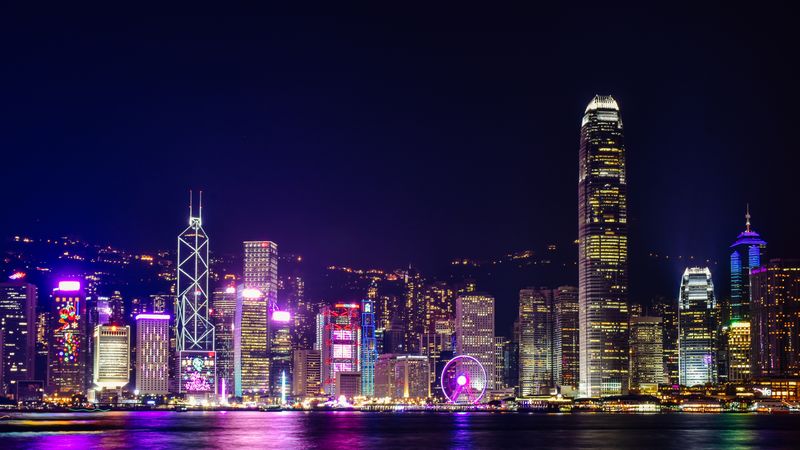
Getting there: The iconic Peak Tram funicular costs HK$88 return (buy online to skip queues that can hit 90 minutes on weekends). The local’s trick: take Bus 15 from Central Exchange Square for just HK$12.40 with an Octopus card.
At the top, skip the overpriced Sky Terrace and walk the Peak Circle Walk (Lugard Road to Harlech Road) instead — a flat 3.5-kilometer loop with panoramic views in every direction. Free and far better than any indoor platform.
Star Ferry
One of the best deals in world travel. The Star Ferry has been crossing Victoria Harbour since 1888, and an upper-deck ride costs just HK$5.60. Take the Tsim Sha Tsui to Central route at sunset for the full skyline panorama.
Tian Tan Big Buddha and Ngong Ping
On Lantau Island, the 34-meter bronze Big Buddha sits atop a hill with sweeping views. Climb the 268 steps, then explore the adjacent Po Lin Monastery and its surprisingly good vegetarian lunch (HK$100-150).
The Ngong Ping 360 cable car is the scenic way up — 25 minutes over mountains and sea (HK$235 return standard, HK$315 for the glass-floor crystal cabin). Budget alternative: Bus 23 from Tung Chung MTR for about HK$20.
Temple Street Night Market
Kowloon’s most famous night market runs from 6pm to midnight. Fortune tellers, occasional Cantonese opera performers, and rows of open-air seafood and claypot rice stalls. Head to the section near Tin Hau Temple for the most authentic vibe. Bargain hard — start at half the asking price.
Man Mo Temple
On Hollywood Road in Sheung Wan, this atmospheric 1847 temple is dedicated to the gods of literature and war. Giant incense coils hang from the ceiling, filling the space with fragrant smoke. Free entry, fifteen minutes, and it pairs perfectly with the surrounding antique shops and street art.
Kowloon Waterfront
The Tsim Sha Tsui Promenade offers one of the most photographed views on earth: the full Hong Kong Island skyline across Victoria Harbour. Visit in the evening for the free Symphony of Lights show at 8pm nightly.
Hong Kong Food Guide
If you visit Hong Kong and do not eat extraordinarily well, something has gone very wrong.
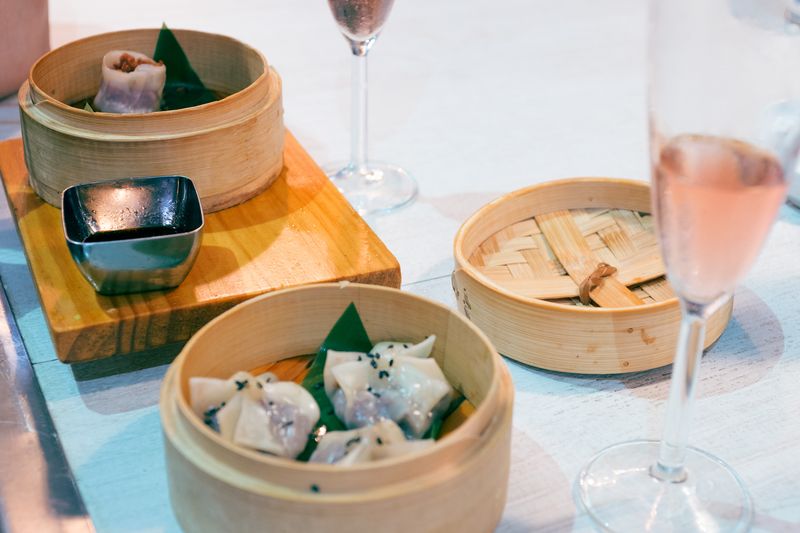
Dim Sum
Tim Ho Wan earned a Michelin star as the cheapest Michelin-starred restaurant in the world. The baked BBQ pork buns (HK$28 for three) are the signature. The Sham Shui Po branch has shorter queues.
Lin Heung Tea House in Central is old-school dim sum — trolley aunties push carts through a packed, noisy room and you grab what catches your eye. Arrive before 10am. Budget HK$80-120 per person.
For a splurge, Maxim’s Palace in City Hall serves dim sum in a grand banquet hall with harbour views (HK$200-350 per person).
Roast Goose
Yat Lok on Stanley Street in Central is a no-frills, Michelin-recommended shop — roast goose over rice for about HK$80-100. Kam’s Roast Goose in Wan Chai is another Michelin-starred option with equally superb goose (mains HK$80-150).
Wonton Noodles
Thin egg noodles with plump shrimp wontons in a clean broth. Mak’s Noodle in Central and Tsim Chai Kee on Wellington Street are two of the best (HK$40-55 per bowl).
Egg Waffles (Gai Daan Jai)
A street food icon — puffy golden egg-shaped bubbles, crispy outside, custardy inside. Mammy Pancake in Tsim Sha Tsui and various Mong Kok stalls are reliable. About HK$20-30 each.
Dai Pai Dong
These vanishing open-air food stalls are pure old Hong Kong. Sing Heung Yuen near the Central-Mid-Levels Escalator is famous for tomato soup noodles. Lan Fong Yuen in Central claims to have invented Hong Kong-style milk tea. Meals run HK$40-80.
Michelin Street Food
Beyond Tim Ho Wan, look for Michelin Bib Gourmand picks: Joy Hing Roasted Meat in Wan Chai (char siu from HK$50) and One Dim Sum in Prince Edward (dishes from HK$20) are perennial favorites.
Shopping and Markets
Ladies’ Market, Mong Kok — Over a kilometer of stalls on Tung Choi Street selling clothes, accessories, souvenirs, and gadgets. Bargaining expected. Go in the late afternoon.
Stanley Market — More relaxed and tourist-friendly, on Hong Kong Island’s south side. Good for silk, linen, art, and souvenirs. Take Bus 6, 6X, or 260 from Central.
Cat Street (Upper Lascar Row) — Antique shops and stalls in Sheung Wan selling vintage curios, Mao-era memorabilia, jade trinkets, and retro Hong Kong posters. Combine with nearby Man Mo Temple and PMQ.
Causeway Bay — The heart of modern retail. Times Square, Hysan Place, and SOGO are packed with international and local brands, plus Korean beauty shops and Japanese department stores.
PMQ — A former police quarters in Central converted into a creative hub with independent Hong Kong designers selling clothing, jewelry, ceramics, and homeware. Great for unique, locally made gifts.
Hidden Gems and Hiking
Dragon’s Back Trail
Regularly named one of the best urban hikes in Asia. This 8.5-kilometer ridge trail offers stunning views of Shek O beach and the South China Sea. Well-marked, moderately easy, about 2.5 to 3 hours. Take Bus 9 from Shau Kei Wan MTR to the trailhead and finish at Big Wave Bay for a swim and cold drink.

Sai Kung
The “back garden of Hong Kong.” Take a kaido (small boat, HK$50-100 return) from Sai Kung pier to the pristine beaches of Sharp Island or Half Moon Bay. The town has a lively waterfront with seafood restaurants where you pick fish live from tanks. Get there via MTR to Diamond Hill then Bus 92 (30 minutes).
Lamma Island
No cars, a laid-back vibe, and excellent seafood. Ferry from Central Pier 4 to Yung Shue Wan (HK$20-32, 30 minutes). Walk the scenic trail across the island to Sok Kwu Wan (about 90 minutes), stopping at Hung Shing Ye Beach. End with a waterfront seafood meal and ferry back.
Cheung Chau
A tiny, car-free island packed with character. Famous for its annual Bun Festival, seafood, and fishing village atmosphere. Rent a bicycle, eat fresh mango mochi on the waterfront. Fast ferry from Central Pier 5 (HK$15-30, 40 minutes).
Street Art in Sheung Wan
The lanes between Hollywood Road, Elgin Street, and Sai Ying Pun are covered in murals. Start at the Central-Mid-Levels Escalator — the longest outdoor covered escalator in the world — and explore the side streets. Graham Street, Shing Wong Street, and Tank Lane all have notable pieces.
Getting Around
Octopus Card
Get one immediately. This rechargeable contactless card works on all public transport — MTR, buses, ferries, trams, minibuses, and the Peak Tram — plus convenience stores and many restaurants. Buy at any MTR station: HK$150 (HK$100 stored value plus HK$50 refundable deposit). Top up at MTR machines or 7-Eleven. For more on payment options including mobile pay for mainland China, see our payment guide.
MTR (Mass Transit Railway)
Clean, fast, air-conditioned, well-signposted in English. Fares range from HK$5 to HK$65. Trains run approximately 6am to 1am.
Trams (Ding Ding)
Double-decker trams along northern Hong Kong Island from Kennedy Town to Shau Kei Wan. Flat fare of HK$3.00 (Octopus at the back door). Sit upstairs at the front at night for one of the best free experiences in Hong Kong.
Airport Express
24 minutes from the airport to Hong Kong Station in Central, HK$115 one way. Free shuttle buses from the station to major hotels. Group discounts available for two or more travelers.
Other Transport
Star Ferry — Faster and more scenic than the MTR for crossing the harbour. Green minibuses — Fixed routes, Octopus accepted, useful beyond MTR coverage. Peak Tram — Book online in advance to avoid lengthy queues.
Best Areas to Stay
Tsim Sha Tsui (TST) — Best for first-timers. Right on the harbour with skyline views, near the Star Ferry and Temple Street. Budget guesthouses from HK$400-600/night, luxury from HK$4,000+/night.
Central and Sheung Wan — Best for walkability and nightlife. Lan Kwai Fong bars, SoHo restaurants, close to the Peak Tram. Mid-range hotels HK$800-1,500/night.
Causeway Bay — Best for shopping and local dining. Surrounded by malls, street food, and local restaurants. Mid-range HK$600-1,200/night.
Mong Kok — Best for budget travelers. Noisy, vibrant, and cheap. Hostels from HK$150-300/night, budget hotels HK$350-600/night. Right next to Ladies’ Market.
Crossing to Mainland China
Shenzhen Day Trip
Shenzhen is immediately across the border. Take the MTR East Rail Line to Lo Wu or Lok Ma Chau, walk through immigration, and you are in a futuristic megacity of 18 million. Visit Huaqiangbei electronics market, OCT Loft creative district, or eat incredible food for a fraction of Hong Kong prices. Border crossing takes 30-60 minutes.
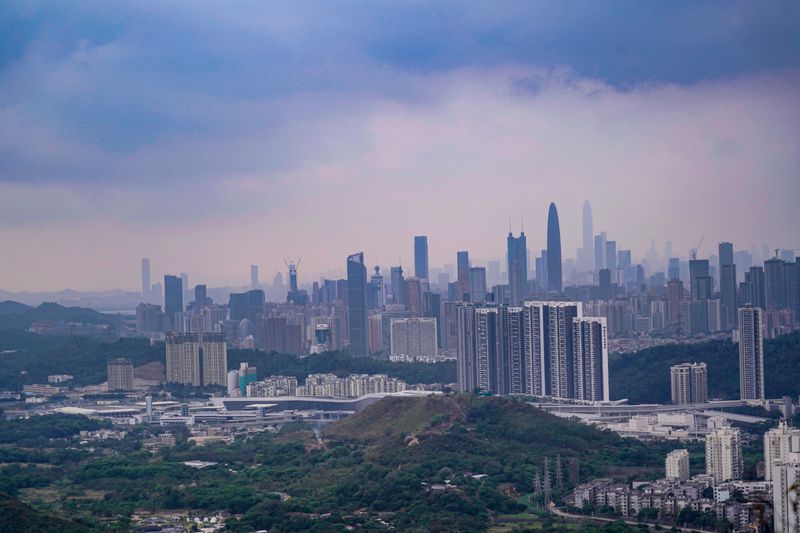
Important: Mainland China has different visa requirements from Hong Kong. Shenzhen offers special visa-free entry for citizens of many countries entering through certain ports. Check our visa-free guide for details.
High-Speed Rail to Guangzhou
The Express Rail Link departs from West Kowloon Station and reaches Guangzhou South in just 48 minutes (HK$260 second class one way). Immigration for both Hong Kong and mainland China is handled inside the station before boarding. A day trip for Cantonese cuisine, the Chen Clan Academy, and the Pearl River is very worthwhile.
Ferry to Macau
TurboJET ferries from the Shun Tak Centre (Sheung Wan) reach Macau in about 55 minutes (HK$175-215 one way). Macau’s Portuguese colonial architecture, UNESCO historic center, and egg tarts make an excellent day trip.
Visa Considerations
This is critical: Hong Kong and mainland China have completely separate immigration systems. Entering Hong Kong does not grant you access to mainland China. Many nationalities can visit Hong Kong visa-free for 14 to 180 days, but crossing into the mainland requires separate authorization. Sort this out before you depart — our visa-free guide explains the current policies in detail.
Practical Tips
Payment: Hong Kong is more cash-friendly than the mainland, and credit cards (Visa, Mastercard) are widely accepted. Octopus handles transport and convenience stores. If heading to mainland China, set up Alipay or WeChat Pay first — see our payment guide.
Language: English is widely spoken. All MTR signage, government info, and most menus are bilingual. You can navigate Hong Kong with zero Cantonese, though “m goi” (thank you) is appreciated. This is a major contrast to mainland China — if heading there, grab translation apps from our best apps guide.
Typhoon signals: If Signal 8 or above is hoisted (June-October), the city shuts down. Check the Hong Kong Observatory app. Do not let typhoon season deter you, but respect the warnings.
Best time to visit: October through December is ideal — warm but not oppressive (20-28C), lower humidity, clearer skies. January-February is cooler (12-18C) but pleasant, with spectacular Chinese New Year festivities. June through September is hot, humid, and prone to typhoons.
Budget tips:
- Eat at cha chaan tengs and dai pai dongs for HK$40-80 meals
- Ride trams at HK$3 per trip — cheapest and most scenic transport on Hong Kong Island
- Skip the Sky Terrace; the Peak Circle Walk is free and better
- Visit free attractions: Hong Kong Museum of Art, Nan Lian Garden, Chi Lin Nunnery
- Tap water is safe to drink
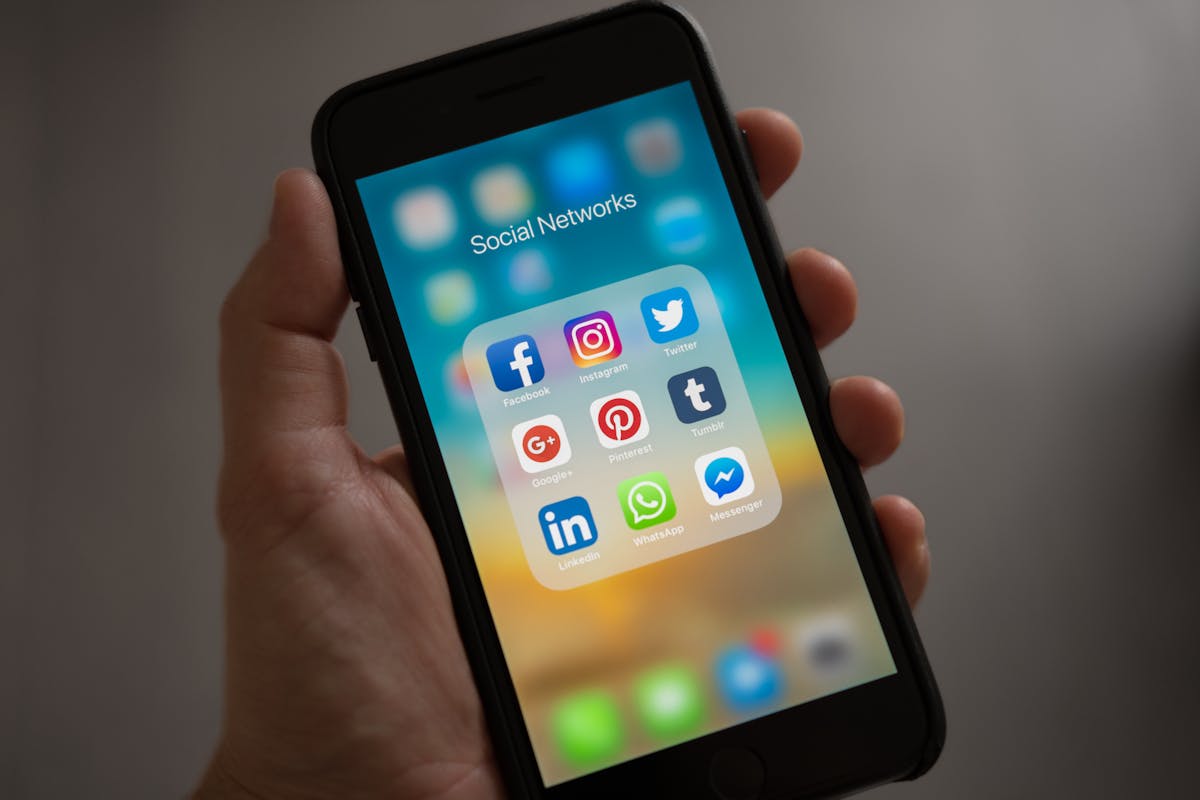
Connectivity: Unlike mainland China, Hong Kong does not block Western apps. Google, WhatsApp, and Instagram all work normally — no VPN needed. But if continuing to the mainland, set up an eSIM before you leave home. Our eSIM guide covers the best options.
Suggested Itineraries
3-Day Hong Kong Highlights
Day 1: The Iconic Experience
- Morning: Star Ferry from Tsim Sha Tsui to Central. Breakfast at Lan Fong Yuen (milk tea and toast).
- Midday: Ride the Central-Mid-Levels Escalator through SoHo. Visit Man Mo Temple, browse Cat Street antiques.
- Afternoon: Bus 15 or Peak Tram to Victoria Peak. Walk the Peak Circle Walk.
- Evening: Roast goose at Yat Lok or wonton noodles at Tsim Chai Kee.
Day 2: Kowloon and Culture
- Morning: Dim sum at Tim Ho Wan (Sham Shui Po) or Lin Heung Tea House.
- Midday: Ladies’ Market, Fa Yuen Street sneakers, goldfish and flower markets in Mong Kok.
- Afternoon: Chi Lin Nunnery and Nan Lian Garden in Diamond Hill (free).
- Evening: Tsim Sha Tsui promenade, Symphony of Lights at 8pm, Temple Street Night Market.
Day 3: Big Buddha and Islands
- Morning: MTR to Tung Chung, Ngong Ping 360 cable car to Big Buddha and Po Lin Monastery.
- Afternoon: Ferry to Lamma Island for a hike and seafood, or shopping in Causeway Bay.
- Evening: Cantonese seafood dinner in Wan Chai or egg waffles in the street food stalls.
5-Day Hong Kong and Day Trips
Days 1-3: Follow the 3-day itinerary above.
Day 4: Shenzhen Day Trip
- Morning: MTR to Lo Wu, cross the border (allow 30-60 minutes for immigration).
- Midday: Huaqiangbei electronics market. Lunch at a local Sichuan restaurant for a fraction of Hong Kong prices.
- Afternoon: OCT Loft creative district or Shenzhen Bay waterfront.
- Evening: Cross back to Hong Kong for dinner in Tsim Sha Tsui.
Day 5: Hiking and the Outdoors
- Morning: Bus 9 from Shau Kei Wan MTR to Dragon’s Back trailhead. Hike the ridge (2.5-3 hours).
- Midday: Swim at Big Wave Bay and lunch at a beachside cafe.
- Afternoon: Head to Sai Kung for a boat ride to Sharp Island and seafood dinner on the waterfront.
- Evening: Ride the tram along Hong Kong Island at night for a perfect send-off.
Alternative Day 5: Swap for a Macau day trip. Morning TurboJET ferry, explore the Ruins of St. Paul’s and Senado Square, try a Portuguese egg tart at Lord Stow’s Bakery. Return by evening ferry.
Hong Kong rewards both the planner and the wanderer. The food is extraordinary, the views are staggering, the transport is seamless, and there is a depth to this city — in its temples, trails, back alleys, and harbor — that takes far more than one visit to fully appreciate. Get your Octopus card ready and bring a very empty stomach.
Frequently Asked Questions
Do I need a separate visa for Hong Kong?
Most nationalities can visit Hong Kong visa-free for 7-180 days (varies by passport). Hong Kong has separate immigration from mainland China. You'll need to go through border control when traveling between them.
Can I use mainland China payment apps in Hong Kong?
Alipay and WeChat Pay work in many Hong Kong shops, but the city also widely accepts credit cards, Octopus cards, and Apple Pay. Cash (HKD) is still common at smaller shops.