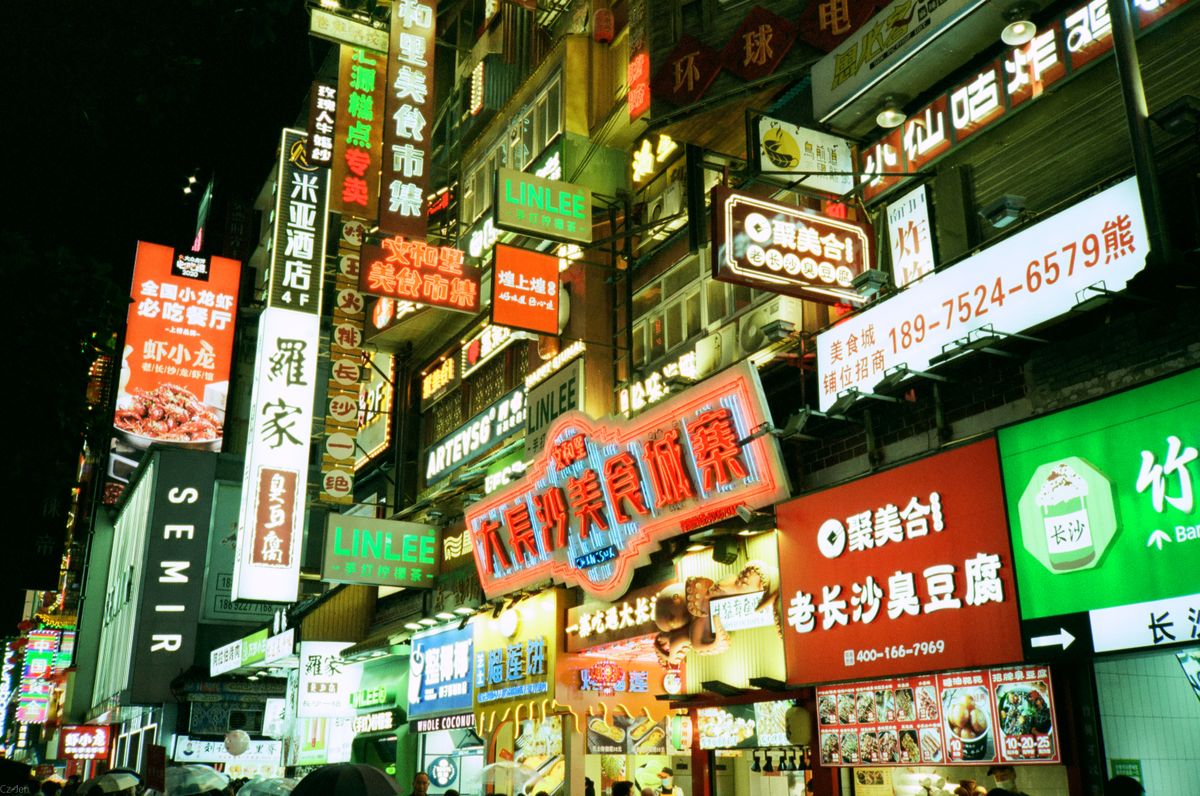
Is China Safe for Tourists? What You Actually Need to Know (2026)
If you’re planning a trip to China, you’ve probably Googled “is China safe?” at least once. Maybe twice. The answer might surprise you: China is one of the safest countries in the world for tourists. Full stop.
That doesn’t mean you can toss all common sense out the window, though. There are specific things you should know — from petty scams to chaotic traffic to the Great Firewall. This guide covers all of it honestly, with no sugarcoating and no fear-mongering.
Overall Safety: The Big Picture
Let’s start with the facts. China has an extremely low rate of violent crime, especially against foreigners. Muggings, armed robberies, and assaults are vanishingly rare compared to most Western cities. You can walk through Beijing, Shanghai, or Chengdu at 2 AM and feel safer than you would in most major European or American cities.
Why is it so safe? A few reasons:
- Cameras everywhere. China has the most extensive public surveillance network in the world. Whatever you think about that from a privacy perspective, it’s a massive deterrent to street crime.
- Strict gun control. Civilian gun ownership is essentially illegal. Gun violence is a non-issue.
- Harsh penalties. Drug offenses, violent crime, and theft carry severe sentences. People know this.
- Cultural factors. There’s a strong social emphasis on public order and “saving face.” Confrontation and public violence are deeply frowned upon.
The Global Peace Index consistently ranks China safer than the US, UK, and France for personal safety metrics. That’s not an opinion — it’s data.
How Does China Compare to Other Destinations?
| Destination | Violent Crime Risk | Petty Theft Risk | Overall Tourist Safety |
|---|---|---|---|
| China | Very low | Low | Very high |
| Japan | Very low | Very low | Very high |
| Thailand | Low | Medium | High |
| France | Low-medium | High (Paris) | Medium-high |
| USA | Medium | Medium | Medium |
| Brazil | High | High | Low-medium |
China sits right alongside Japan and South Korea in the “safest countries in Asia” tier. If you’ve traveled to Southeast Asia, Europe, or South America, China will feel noticeably safer.
Common Scams to Watch Out For
China’s streets are safe, but you’re still a tourist — and tourists are targets for scams worldwide. Here are the ones you’ll actually encounter:
The Tea House Scam
This is the classic. A friendly young person approaches you near a tourist area (Tiananmen Square, the Bund, Nanjing Road) and strikes up a conversation in decent English. After chatting for a bit, they suggest going to a “traditional tea house” to “experience Chinese culture.”
You go. You drink some tea. Then the bill arrives: ¥800-2,000 ($110-275) for a few cups of tea. Your new “friend” vanishes or pretends to be shocked. The tea house staff are in on it.
How to avoid it: If a stranger invites you to tea, a bar, or a KTV, decline. Real friendly locals exist — but they won’t invite you to a specific establishment within five minutes of meeting you.
The “Art Student” Scam
Similar setup. Someone approaches you near tourist areas claiming to be an art student with an exhibition nearby. They walk you to a small gallery filled with mediocre paintings and pressure you into buying one at wildly inflated prices.
How to avoid it: “No thanks” and keep walking. Don’t engage.
Taxi Overcharging
Some taxi drivers at airports and train stations will try to charge a flat fee instead of using the meter — always higher than the metered fare. Others take “the long way” if they think you don’t know the city.
How to avoid it: Always insist the meter is on. Better yet, use Didi (China’s Uber) for every ride. The price is calculated in advance, the route is tracked, and there’s no room for games.
Fake Monks Asking for Donations
You might see people in monk robes near tourist temples asking for “donations” and handing you prayer beads or amulets. Real Buddhist monks in China do not solicit money from strangers on the street.
How to avoid it: Politely decline and walk away. If they put something in your hand, give it back.
The Honest Truth About Scams
These scams exist, but they’re concentrated in a few heavy-tourist zones in Beijing and Shanghai. Outside of those spots — and in 99% of your daily interactions — people are genuinely helpful, curious, and kind. Don’t let a handful of scammers make you suspicious of every Chinese person who talks to you.
Food Safety
Good news: eating in China is generally very safe, and the food is incredible.
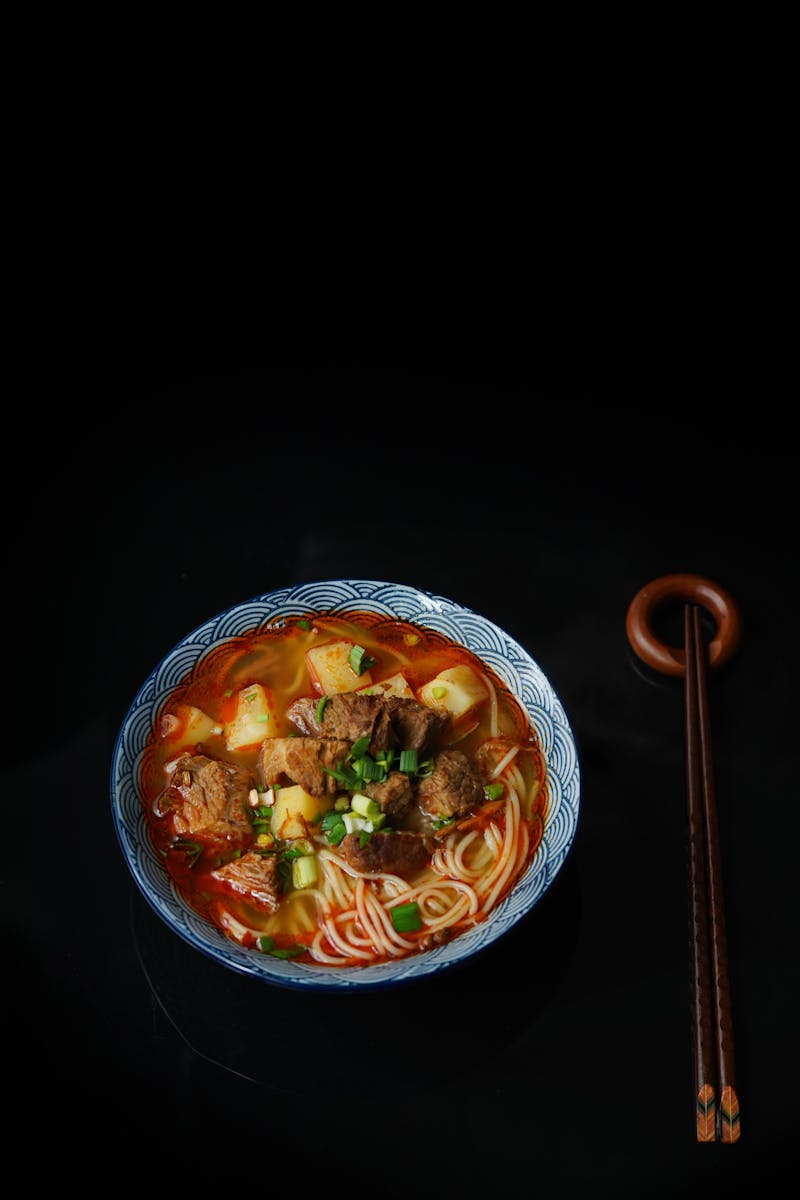
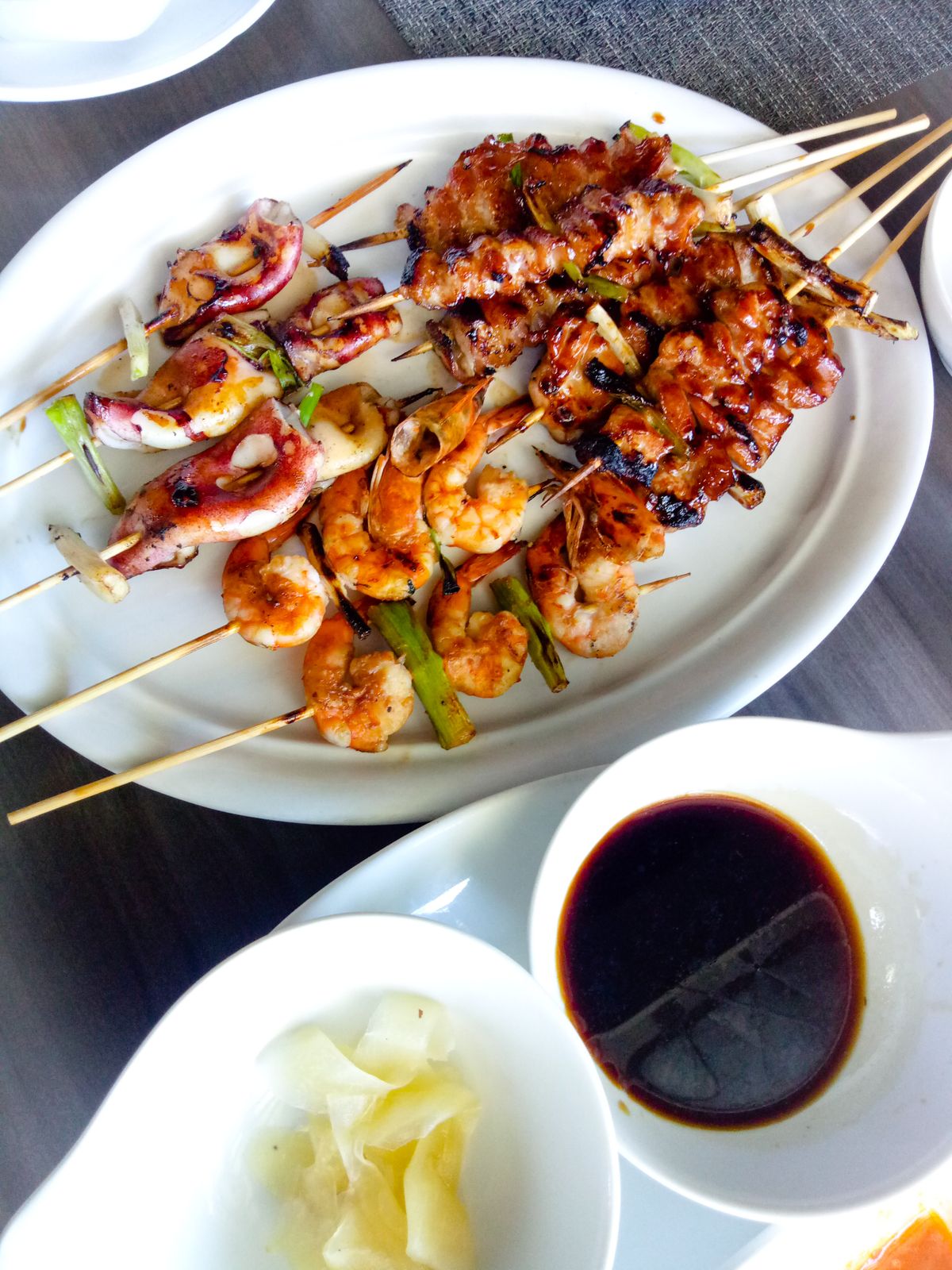
Street food vendors in Chinese cities are mostly regulars who’ve been working the same corner for years. They have reputations to maintain. The sizzling jianbing (crepe) cart outside your hotel, the lamb skewer guy at the night market, the dumpling shop packed with locals — these are all safe bets.
A few practical tips:
- Eat where locals eat. A packed restaurant with a line is always a good sign. An empty tourist trap is a bad one.
- Don’t drink tap water. This is the big one. Tap water in China is not potable. Drink bottled water (¥2-3 at any convenience store) or boiled water. Hotels always provide an electric kettle for this reason.
- Be cautious with ice in drinks at smaller establishments. Major chains and nice restaurants use purified ice — the hole-in-the-wall spot might not.
- Spice levels are real. If you’re in Sichuan or Hunan, “a little spicy” might still melt your face. Ask for 微辣 (wēi là, “slightly spicy”) and mean it.
- Food hygiene has improved massively. Government crackdowns on food safety in the past decade have been aggressive. Restaurants are inspected and rated. The horror stories you read from 2010 are largely outdated.
If you have food allergies, write them down in Chinese on your phone. Show it to the restaurant. Peanut oil and MSG are extremely common in Chinese cooking, so plan accordingly.
Solo Female Travel in China
China is one of the safest countries in the world for solo female travelers. This isn’t a throwaway line — it’s consistently backed up by the experiences of thousands of women who’ve traveled there alone.
Physical harassment and catcalling are extremely uncommon. Walking alone at night in Chinese cities is genuinely safe — you’ll see women (and men) of all ages out on evening strolls, exercising in parks, and eating at street stalls late into the night.
The biggest “annoyance” solo female travelers report isn’t safety-related — it’s the staring and photo requests in less-touristed areas, especially if you look visibly foreign. This is curiosity, not hostility. It’s more common in smaller cities and rural areas where foreigners are rare.
Practical tips for solo female travelers:
- Didi has safety features — share your ride with a contact, rides are recorded, and there’s an SOS button.
- Hotels are safe. Even budget hotels have security cameras, key card access, and front desk staff 24/7.
- Trust your instincts as you would anywhere. China is safe, but basic common sense still applies.
What to Do in Emergencies
Save these numbers in your phone before you arrive:
| Service | Number |
|---|---|
| Police | 110 |
| Ambulance | 120 |
| Fire | 119 |
| Traffic accident | 122 |
Finding Your Embassy
Look up your country’s embassy or consulate contact information before your trip. Most Western countries have embassies in Beijing and consulates in Shanghai, Guangzhou, and Chengdu. Save the 24-hour emergency phone number — you probably won’t need it, but you’ll be glad to have it if you do.
If You Lose Your Passport
Go to the nearest police station, file a report, and then contact your embassy. They’ll issue an emergency travel document. This process takes a few days, so keep digital copies of your passport (photos on your phone and email) to speed things up.
Hospital Visits
Major Chinese cities have excellent hospitals, including international clinics in Beijing and Shanghai with English-speaking doctors. Costs are surprisingly affordable compared to the US (though not free for foreigners). Bring travel insurance — this is non-negotiable for any international trip.
Internet Safety and the Great Firewall
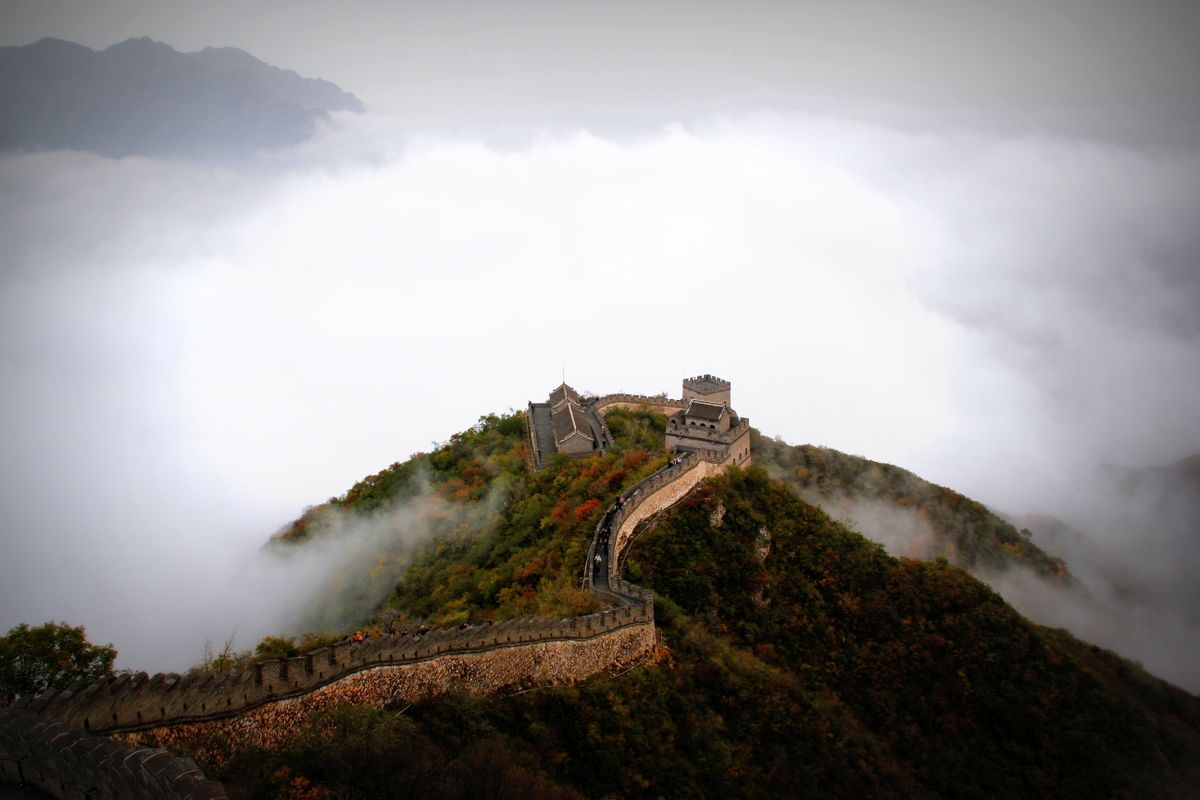
This is the one area where China is genuinely inconvenient for tourists. The Great Firewall blocks Google, WhatsApp, Instagram, Facebook, YouTube, Twitter/X, and most Western news sites.
The solution is simple: get an international eSIM before your trip. An eSIM routes your data through overseas servers, bypassing the firewall completely. No VPN needed, no technical setup, no unreliable workarounds.
We wrote a full guide on this: Best eSIM for China in 2026
Without an eSIM or VPN, you’ll be limited to Chinese apps only. That means no Google Maps, no WhatsApp messages, and no Instagram stories. Sort this out before you fly.
A quick note on digital privacy: assume that anything you do on Chinese WiFi networks (hotel, cafe, airport) can be monitored. Use your eSIM data for anything sensitive. Don’t log into banking or sensitive accounts on public Chinese WiFi.

Traffic Safety: This Is the Real Danger
Here’s the honest truth: traffic is the single biggest safety risk for tourists in China. Not crime. Not food. Traffic.
Chinese traffic is organized chaos. Here’s what you need to know:
- Scooters and e-bikes don’t stop for pedestrians. They ride on sidewalks, through crosswalks, and against traffic. They’re silent (electric) and fast. Always look both ways — then look again.
- A green pedestrian light does not mean it’s safe to cross. Cars turning right often have a green light at the same time. They will not always yield to you.
- Drivers honk constantly. It’s not aggressive — it’s just how driving works here. A honk means “I’m here” not “I hate you.”
- Cross with a group. When in doubt, wait for a cluster of local pedestrians and cross when they cross. Safety in numbers.
After a day or two, you’ll get the rhythm. But on your first day, be extra cautious at every intersection.
Natural Disasters
China is a massive country with diverse geography, so natural disaster risks vary by region:
- Earthquakes: The Sichuan province (Chengdu area) and Yunnan are in active seismic zones. Major quakes are rare but possible. Check if your hotel has posted earthquake procedures.
- Typhoons: The southeastern coast (Guangdong, Fujian, Zhejiang) gets hit with typhoons from June to October. If you’re traveling during typhoon season, keep an eye on weather forecasts and be prepared for flight/train disruptions.
- Flooding: Summer monsoon season (June-August) can cause flooding, especially in central and southern China. Check weather warnings before hiking or visiting rural areas.
- Air quality: Some northern cities (including Beijing) can have poor air quality, especially in winter. Check the AQI forecast and consider bringing a mask if you have respiratory issues.
None of these should stop you from visiting, but they’re worth factoring into your travel timing and itinerary.
FAQ
Q: Is China safe for American/British/Australian tourists specifically? A: Yes. Despite geopolitical tensions in the news, Chinese people are overwhelmingly welcoming to Western tourists. You will not face hostility because of your nationality. People will be curious, friendly, and often eager to practice English with you.
Q: Is it safe to take photos in China? A: Generally yes, but avoid photographing military installations, government buildings, and police officers. In tourist areas, museums, and public spaces, you’re fine. Some temples and museums prohibit flash photography — look for signs.
Q: Are there areas in China tourists should avoid? A: Most of China is safe for tourists. Remote border regions (parts of Xinjiang, Tibet) may have travel restrictions or require special permits. Check current travel advisories from your government before visiting those areas. Major tourist cities and routes are all perfectly safe.
Q: Should I carry my passport at all times? A: Yes. Legally, foreigners must carry their passport in China. You’ll need it for hotel check-in, train stations, and occasionally at tourist attractions. Keep a photocopy separate from the original.
Q: Is it safe to use ATMs in China? A: Yes. Use ATMs inside banks (not standalone ones on the street) for the best security. That said, you’ll barely need cash — mobile payment via Alipay handles almost everything. See our payment guide for setup instructions.
Q: What about LGBTQ+ travelers? A: China is not openly hostile to LGBTQ+ travelers, but it’s a conservative society. Public displays of affection (for any couple) are uncommon. Same-sex couples generally won’t face safety issues, but discretion is advisable outside of major cities like Shanghai and Beijing.
Q: Is street food safe to eat? A: Yes, in most cases. Stick to stalls that are busy with local customers, eat food that’s cooked fresh in front of you, and avoid anything that’s been sitting out for a long time. Your stomach might need a day to adjust to new ingredients and spices, but that’s true of any country.
Next Steps
Ready to plan your trip? These guides cover the other essentials:
- Best eSIM for China — Stay connected and bypass the Great Firewall
- How to Pay in China — Set up Alipay and WeChat Pay before you go
- Complete China Travel Checklist — Everything to do before your flight
Last updated: February 2026. Based on real travel experience and verified information.

Frequently Asked Questions
Is China safe for foreign tourists?
China is one of the safest countries for tourists. Violent crime is extremely rare, and cities have extensive CCTV coverage. The main risks are petty scams near tourist sites and traffic safety.
Can I drink tap water in China?
No. Tap water in China is not safe to drink. Always drink bottled water or boiled water. Hotels and restaurants provide boiled water or bottled water.
Are there any scams tourists should watch out for in China?
Common scams include the "tea ceremony" scam (strangers invite you for overpriced tea), fake monks asking for donations, and inflated prices at tourist markets. Always agree on prices before purchasing.