Nanjing Travel Guide 2026: Ancient Capitals, City Walls & Golden Ginkgo Trees
Nanjing is one of China’s most important cities, and almost nobody visiting China for the first time puts it on their itinerary. That is a mistake. This was the capital of six different dynasties, the seat of the first government of the Republic of China, and the city where some of the most pivotal — and most devastating — events in modern Chinese history unfolded. Layers of history run deep here, from the massive Ming Dynasty city wall that still wraps around the old city center to the solemn memorial that honors the victims of one of the 20th century’s worst atrocities.
But Nanjing is not a somber place. It is a leafy, walkable, surprisingly relaxed metropolis of nearly 10 million people with tree-lined boulevards, a gorgeous lakefront, one of the best food scenes in eastern China, and an autumn ginkgo season that turns the entire city gold. It sits just one hour from Shanghai by high-speed rail, making it one of the easiest and most rewarding day trips or side trips in the country — though it honestly deserves two or three days of your time.
If you like history, food, and cities that feel real rather than performative, Nanjing is your kind of place. This guide covers everything you need to plan it.
Why Visit Nanjing
Four reasons Nanjing deserves a spot on your China trip:
It is one of the great ancient capitals of China. Nanjing (literally “Southern Capital”) served as the capital of six dynasties over more than 1,800 years. This is where the Ming Dynasty’s founding emperor built his palace and ordered the construction of the largest city wall the world has ever seen. Later, it was the capital of the Republic of China under Sun Yat-sen. Few cities carry this much political weight across this many centuries.
It is criminally underrated by foreign tourists. While Beijing and Shanghai absorb the bulk of international visitors, Nanjing flies under the radar. That means fewer crowds, lower prices, more authentic interactions, and a city that is not performing for tourists.
The food is exceptional. Nanjing cuisine sits within the Jiangsu culinary tradition, one of China’s eight great cuisines, and the city is obsessed with duck. Salted duck, duck blood vermicelli soup, and soup dumplings are just the starting point.
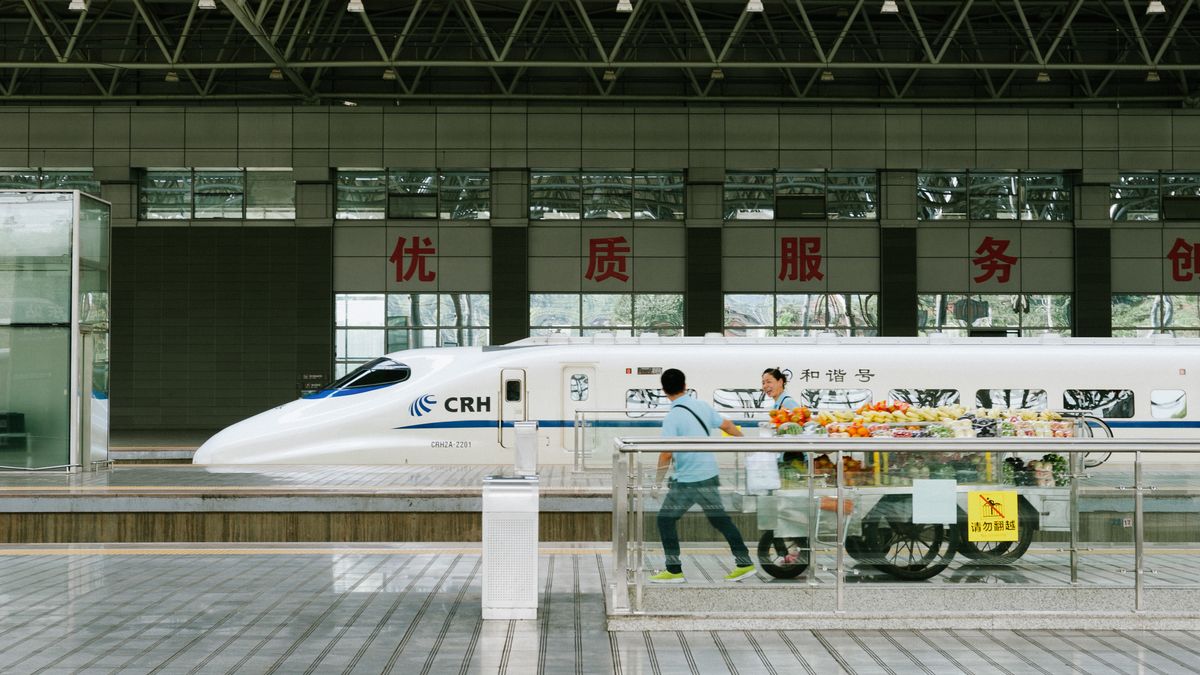
It is effortlessly accessible from Shanghai. Nanjing South Station is roughly one hour from Shanghai Hongqiao by the fastest G-class trains. Tickets cost about 135-230 yuan second-class. Book through our train tickets guide.
Ming Dynasty City Wall
Nanjing’s city wall is the longest surviving city wall in the world, and cycling or walking along its top is one of the best things you can do in the city.
Built between 1366 and 1393 under the orders of the Hongwu Emperor (the founder of the Ming Dynasty), the wall originally stretched 35.3 kilometers around the city — far larger than Xi’an’s famous wall. About 25 kilometers of the original wall still stands today, winding over hills, along rivers, and through the modern cityscape in a way that feels almost surreal. Unlike Xi’an’s neat rectangle, Nanjing’s wall follows the natural contours of the terrain, which makes it more varied and interesting to explore.
Zhonghua Gate (Zhonghuamen)
Zhonghua Gate is the crown jewel of the wall and the largest surviving city gate in the world. This is not just a gate — it is a massive fortress complex with four layers of arched gates, 27 hidden soldier tunnels that could conceal up to 3,000 troops, and walls thick enough to withstand a siege. Standing inside the tunnels and looking up at the sheer mass of stone and brick above you gives you a visceral sense of the scale at which the Ming Dynasty built things.
Admission: 50 yuan. The gate is well connected by metro — take Line 1 to Zhonghuamen station.
Walking and cycling the wall
Several sections of the wall are open for walking. The most popular stretch runs from Zhonghua Gate to Jiefang Gate (about 5 km), offering views over both the old city and Qinhuai River. You can rent bikes at some access points to cover more ground. The wall is wide and mostly flat on top, though some sections involve stairs where the wall dips and rises with the terrain.
Tip: An all-in-one wall pass costs about 100 yuan and grants access to multiple wall sections and gates. If you only visit one section, Zhonghua Gate alone is the most worthwhile single stop.
Must-See Attractions
Sun Yat-sen Mausoleum (Zhongshanling)
The mausoleum of Sun Yat-sen — the founder of the Republic of China and a figure revered by both mainland China and Taiwan — is Nanjing’s single most visited attraction, and it earns every visitor it gets. Set against the southern slope of Purple Mountain, the mausoleum is reached by climbing 392 granite steps that ascend through a grand ceremonial avenue flanked by trees. The architecture blends Chinese and Western elements, with a deep blue glazed-tile roof that is visible from a remarkable distance.
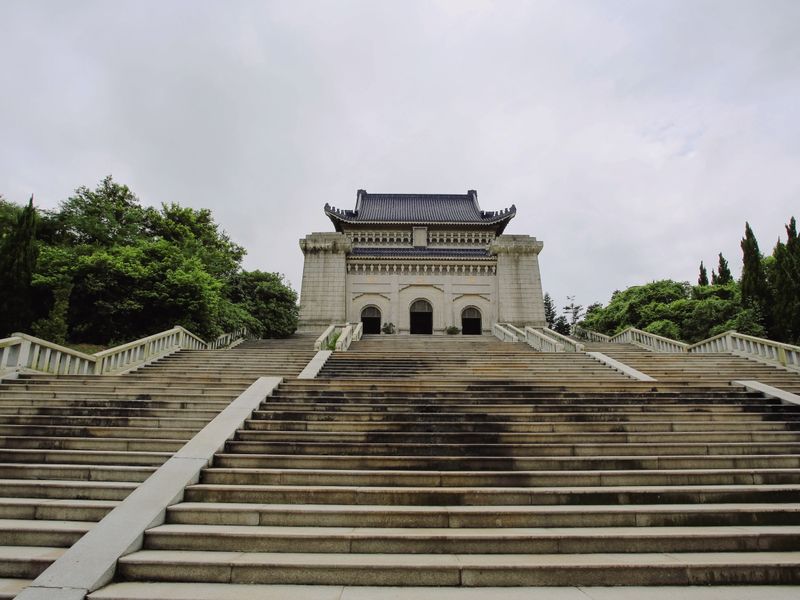
The climb is not trivial — those 392 steps are real exercise — but the view from the top, looking back down the tree-lined avenue toward the city, is magnificent. Inside the memorial hall, a seated marble statue of Sun Yat-sen faces you, and behind it, the burial chamber contains his sarcophagus.
Admission: Free (reservation required — book online in advance with your passport number or arrive early to get a same-day ticket). Allow 1.5-2.5 hours including the climb. The site opens at 6:30 AM and can get very busy by mid-morning, especially on weekends. Get there early.
Presidential Palace (Zongtong Fu)
This sprawling complex in the city center served as the seat of government for the Republic of China and, before that, as the palace of various rulers going back to the Ming Dynasty. Walking through the grounds, you pass through Ming-era gardens, Taiping Rebellion-era throne rooms, and Republican-era government offices — centuries of history layered into a single site.
The exhibitions inside are genuinely informative, covering the founding of the Republic, the Nationalist government, and the Chinese Civil War. Even if you are not deeply familiar with this period, the palace makes it accessible and compelling.
Admission: 35 yuan. Near Daxinggong metro station (Line 2/Line 3). Allow 2-3 hours.
Confucius Temple (Fuzimiao)
The Confucius Temple complex sits along the banks of the Qinhuai River in Nanjing’s old commercial district. The temple dates back to 1034 AD and was historically the center of the imperial examination system. The adjacent Jiangnan Examination Hall is worth a visit to understand how grueling these civil service exams were.
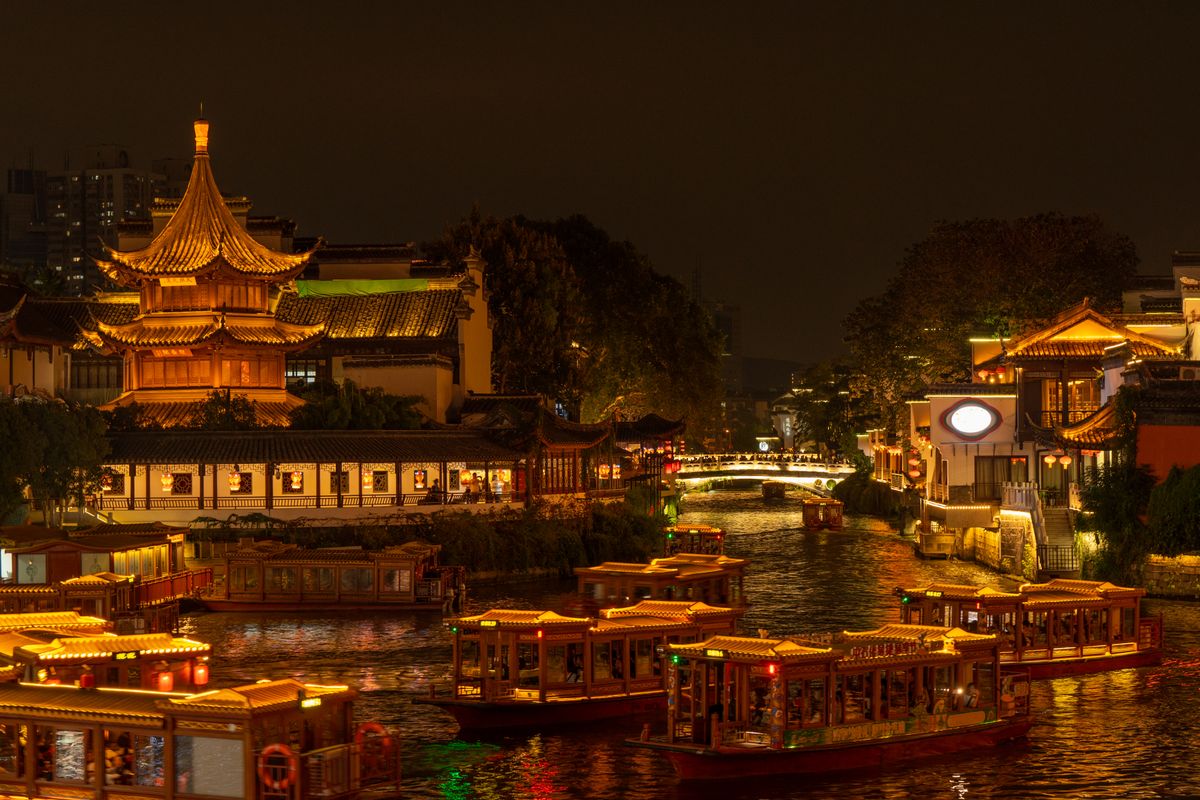
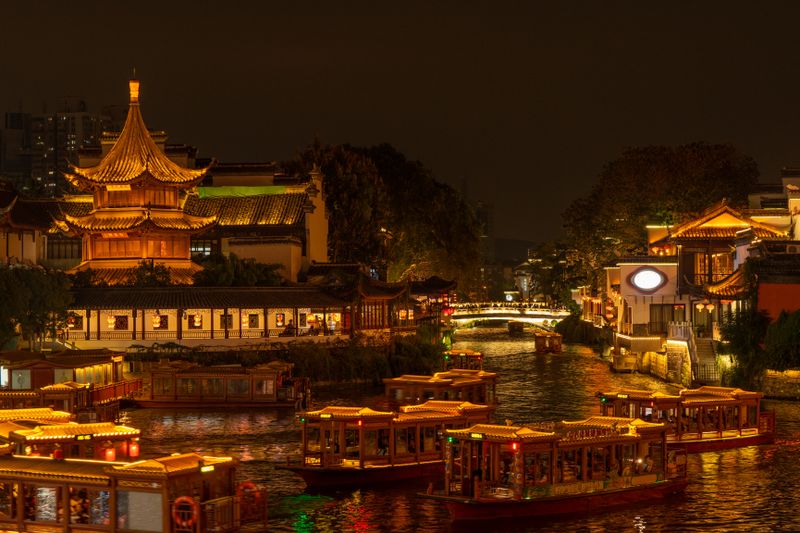
But Fuzimiao today is as much about atmosphere as history. The surrounding pedestrian streets are packed with shops, restaurants, and snack vendors. The riverfront, lined with traditional-style buildings illuminated by red lanterns at night, is one of the most photogenic spots in the city. Take a boat ride along the Qinhuai River after dark — the reflections on the water are genuinely beautiful.
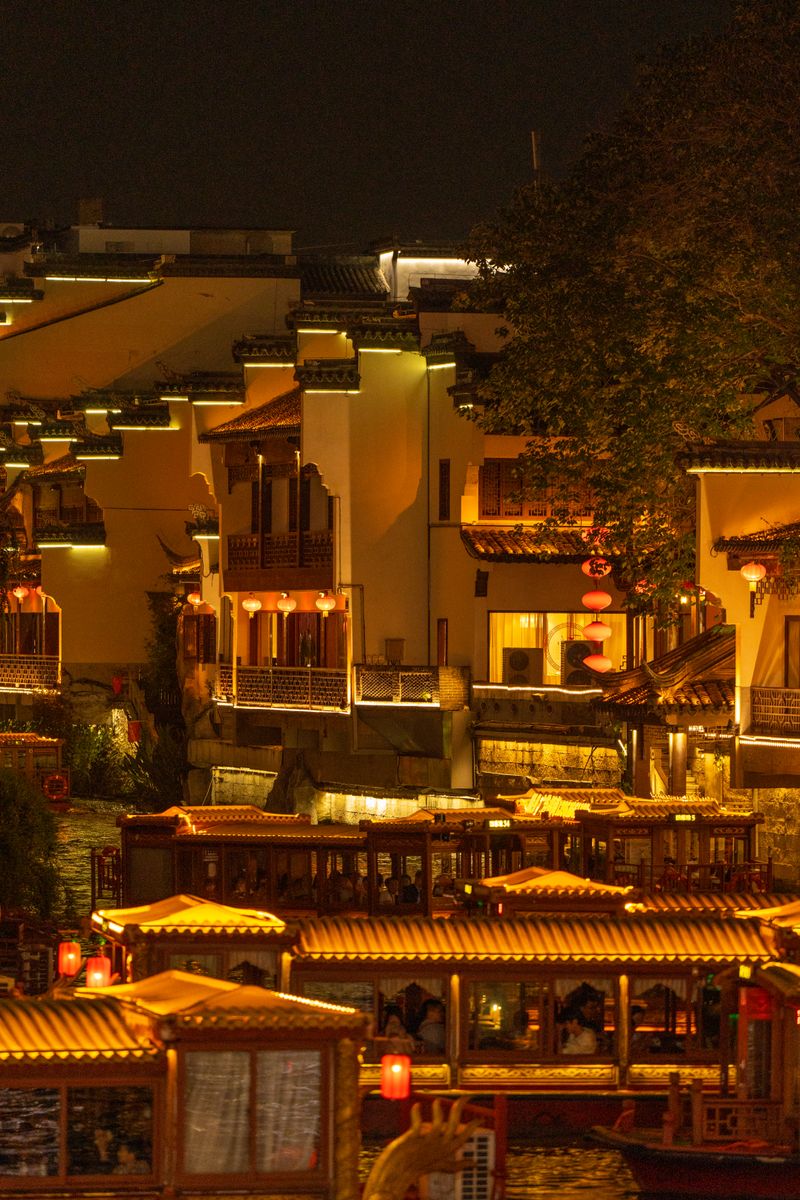
Admission to the temple: 30 yuan. The surrounding streets are free to walk. Qinhuai River boat rides cost about 80 yuan per person for a 50-minute cruise. The area is most magical from about 6:00 PM onward.
Xuanwu Lake
Nanjing’s largest lake sits just outside the northern stretch of the city wall, and the park surrounding it is where the city goes to breathe. Five connected islands linked by causeways and bridges, with gardens, pagodas, and lotus ponds. The view of Purple Mountain rising behind the lake with the city wall in the foreground is one of Nanjing’s signature panoramas. In summer, lotus flowers blanket the water. In autumn, the surrounding trees blaze red and gold.
Admission: Free. Xuanwumen metro station (Line 1). Allow 1.5-3 hours.
Nanjing Massacre Memorial Hall
This is not an easy place to visit, but it is an important one. The Memorial Hall of the Victims in the Nanjing Massacre by Japanese Invaders documents the six-week period beginning in December 1937 when Japanese troops captured Nanjing and killed an estimated 300,000 Chinese civilians and disarmed soldiers.
The museum is built on one of the mass burial sites. It is designed with solemnity and power — from the stark, angular architecture to the outdoor sculptures of victims to the exhibitions inside that present photographs, survivor testimonies, documents, and artifacts. Parts of the exhibition are deeply harrowing. A room displaying recovered bones from the burial site below will stay with you.
The visit takes about 1.5-2 hours. The exhibitions are presented in Chinese, English, and Japanese. The museum is respectful, thorough, and historically rigorous — it documents rather than sensationalizes. The final hall is dedicated to peace, ending the visit with a forward-looking message.
Admission: Free (reservation required — book online or arrive early). Closed on Mondays. Located near Yunjin Road metro station (Line 2). Keep your voice low and be respectful. Visiting this memorial alongside the more celebratory parts of your Nanjing trip is entirely appropriate — understanding what happened here is part of understanding Nanjing.
Purple Mountain (Zijinshan) Scenic Area
Purple Mountain is Nanjing’s green lung — a forested mountain area on the eastern edge of the city that contains several of the city’s most important historical sites. You could easily spend a full day exploring this area.
Ming Xiaoling Mausoleum
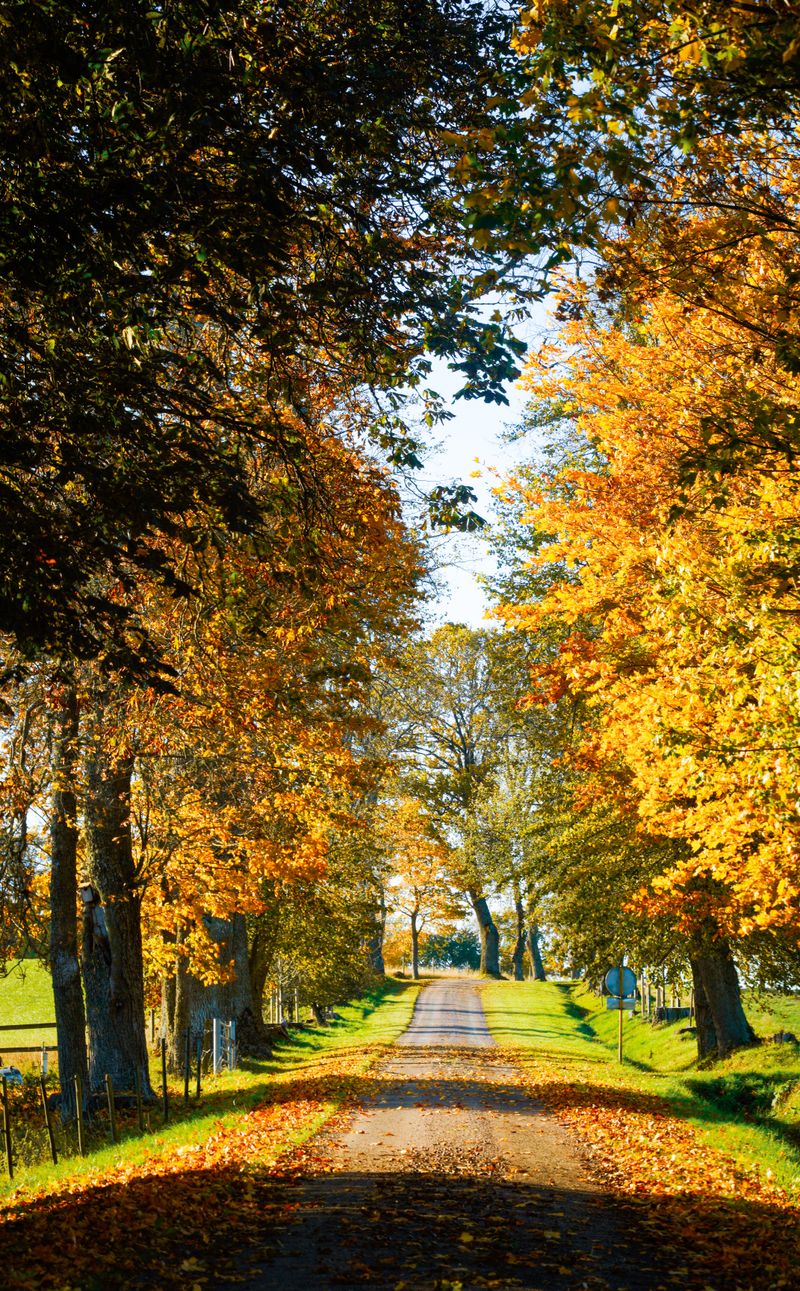
The tomb of the Hongwu Emperor — the same ruler who built the city wall — is a UNESCO World Heritage Site. The approach follows the Sacred Way (Shendao), a winding path lined with enormous stone statues of animals and officials standing guard in eternal silence. In autumn, the flanking canopy turns vivid gold and red. The Sacred Way alone is worth the visit.
Admission: 70 yuan (covers both the mausoleum and the Sacred Way). Allow 2-3 hours.
Linggu Temple and Pagoda
Deeper into the Purple Mountain area, Linggu Temple complex includes a remarkable beamless hall — a Ming Dynasty structure built entirely of brick without a single wooden beam — and a nine-story pagoda that offers panoramic views over the mountain’s forest canopy. It is quieter and less crowded than the mausoleum and Sun Yat-sen’s memorial, making it a peaceful counterpoint.
Admission: 35 yuan. The pagoda climb is included.
Purple Mountain Observatory
China’s oldest modern astronomical observatory, built in 1934, sits near the summit of Purple Mountain. The collection of ancient Chinese astronomical instruments — including Ming and Qing Dynasty bronze armillary spheres — is genuinely interesting, and the views from the mountaintop are excellent. It is a moderate hike or short cable car ride to reach.
Admission: 15 yuan.
Getting around Purple Mountain: A tourist sightseeing bus (20 yuan) loops between the major sites. You can also take the cable car, walk, or use a combination. Wear comfortable shoes — there is a lot of ground to cover.
Food and Drink
Nanjing’s food scene is one of the great underrated pleasures of traveling in eastern China. The cuisine belongs to the Jiangsu tradition — lighter, subtler, and more focused on natural flavors than the bold spice of Sichuan or the heavy sauces of the north — but it has its own distinctive character built almost entirely around one animal: the duck.
Must-try dishes
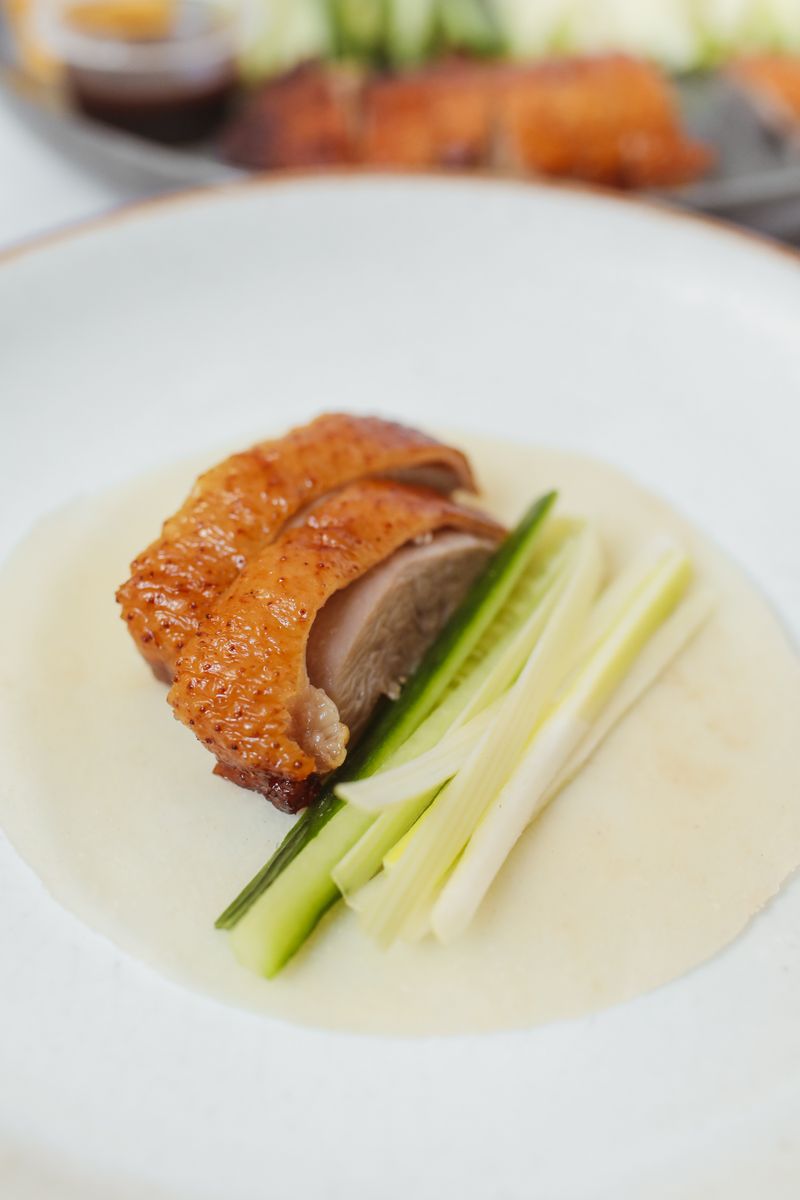
Nanjing Salted Duck (Nanjing Yanshuiya 南京盐水鸭) This is the dish that defines the city. Unlike Beijing’s roast duck, Nanjing’s version is brined, gently poached, and served cold. The skin is pale and silky, the meat is tender and mildly salty with a clean, savory flavor. Do not leave without trying it. Half duck: 30-50 yuan. For more on Chinese food culture, check out our street food guide.
Duck Blood and Vermicelli Soup (Yaxie Fensi Tang 鸭血粉丝汤) A steaming bowl of glass noodles in rich duck broth with cubes of duck blood (surprisingly mild and silky — trust me), duck gizzard, duck liver, tofu puffs, and fresh herbs. It sounds challenging but it is comfort food of the highest order. 12-25 yuan. The quintessential cheap lunch in Nanjing.
Tangbao (汤包) — Soup Dumplings Nanjing’s version of xiaolongbao (soup dumplings) is sometimes larger and more broth-filled than the Shanghai variety. Bite a small hole in the wrapper, slurp out the hot soup, then eat the rest dipped in black vinegar with ginger. There are specialist tangbao shops all over the city. 15-30 yuan for a basket.
Lion’s Head Meatballs (Shizitou 狮子头) Oversized, tender pork meatballs braised in a light broth with bok choy or napa cabbage. The texture is soft and almost fluffy — nothing like a Western meatball. This is a classic Huaiyang dish that Nanjing claims as its own. Usually found at sit-down restaurants rather than street stalls. 25-45 yuan.
Other dishes to try: Roast duck (Nanjing-style, different from Beijing duck — crispier skin, less ceremony), duck oil shaobing (flaky savory pancakes made with rendered duck fat, 3-5 yuan), and guibao (sweet osmanthus flower pastries, widely available in the Fuzimiao area).
Price expectations
Nanjing is very affordable for a major Chinese city. A bowl of duck blood vermicelli soup plus a shaobing might cost 20 yuan. A full sit-down meal with salted duck, a meatball dish, and a beer at a good local restaurant will usually run 60-100 yuan per person. The Fuzimiao area is slightly pricier due to the tourist premium, but even there it rarely gets expensive by Western standards.
Best Time to Visit
Autumn (October-November) — The golden season
This is when Nanjing is at its most beautiful. The city is famous for its ginkgo trees — thousands of them line the boulevards and fill the parks — and in late October through November they turn a spectacular, almost unbelievable shade of gold. The most famous ginkgo-lined street is Beijing East Road (Beijing Dong Lu), but you will find them everywhere. Purple Mountain’s forests also turn red and gold, and the weather is crisp and comfortable (15-22 degrees Celsius). If you can time your visit for mid-to-late November, the ginkgo display is one of the most beautiful urban autumn scenes in all of China.
Spring (March-April) — Cherry blossoms and plum blossoms
Plum Blossom Hill (Meihua Shan) on Purple Mountain hosts one of China’s largest plum blossom gardens, with over 35,000 trees blooming in late February through March. Cherry blossoms follow in late March and April, particularly beautiful at Jiming Temple and Xuanwu Lake. Spring temperatures are mild (12-22 degrees Celsius).
Summer and winter: Summer (June-August) is brutally hot — Nanjing is one of China’s notorious “four furnace cities,” regularly exceeding 35 degrees Celsius. Winter (December-February) is cold and damp, around 0-5 degrees Celsius. Both are manageable but not ideal.
Practical Tips
Getting to Nanjing
From Shanghai: G-class trains cover the distance in roughly 1 hour to 1 hour 20 minutes from Shanghai Hongqiao to Nanjing South Station. Trains run every 10-15 minutes during peak hours. Second-class tickets cost 135-230 yuan. Book through Trip.com or 12306; see our train tickets guide for a walkthrough. From Beijing, it is about 3.5-4 hours by high-speed rail.
Nanjing Lukou International Airport (NKG): Connected to the city center by Metro Line S1 (about 40 minutes to Nanjing South Station). A taxi or Didi to downtown costs about 100-150 yuan.
Getting around
Metro: Nanjing has an excellent metro system with 12 lines covering all major tourist areas. Fares are 2-7 yuan depending on distance. You can pay with Alipay or WeChat Pay at the turnstiles. The metro runs from about 6:00 AM to 11:00 PM.
Didi: Works perfectly in Nanjing. Rides across the city center typically cost 15-30 yuan. Essential for getting to places the metro does not reach efficiently.
Where to stay
Xinjiekou area (recommended). Nanjing’s commercial heart at the intersection of Metro Lines 1 and 2. Walking distance to the Presidential Palace, close to Fuzimiao, and well connected to everything.
- Budget: Hanting or Home Inn near Xinjiekou, 150-250 yuan/night
- Mid-range: Atour Hotel or Orange Hotel, 300-550 yuan/night
- Luxury: InterContinental or Fairmont Nanjing, 800-2,000 yuan/night
Fuzimiao area is another solid option if you want to be in the atmospheric old quarter with riverfront nightlife at your door.
Internet and payments
China blocks Google, WhatsApp, Instagram, and most Western apps. An eSIM with VPN access is essential — set it up before you leave home. For payments, Nanjing runs on Alipay and WeChat Pay everywhere. Very few places accept foreign credit cards. Our payment guide walks you through setup.
Useful phrases for Nanjing
| English | Chinese | Pinyin |
|---|---|---|
| Salted duck | 盐水鸭 | yán shuǐ yā |
| Duck blood vermicelli soup | 鸭血粉丝汤 | yā xiě fěn sī tāng |
| Confucius Temple | 夫子庙 | fū zǐ miào |
| Sun Yat-sen Mausoleum | 中山陵 | zhōng shān líng |
| City wall | 城墙 | chéng qiáng |
| How much? | 多少钱? | duō shao qián? |
| Delicious! | 好吃! | hǎo chī! |
Nanjing is the kind of city that rewards you for showing up. It does not shout for your attention the way Shanghai does, and it does not overwhelm you with sheer historical density the way Beijing can. It just quietly delivers — a stunning city wall here, a perfect bowl of duck blood soup there, a tree-lined boulevard glowing gold in the November light, a memorial that moves you to silence. You arrive thinking it is a side trip from Shanghai and leave thinking it might have been the highlight of the whole journey. Give it the time it deserves.
Planning your trip? Make sure you have read our eSIM guide and payment guide before you fly — these two things trip up more first-time China visitors than anything else. And if you are coming from Shanghai, check our Shanghai guide for tips on that city too.
Frequently Asked Questions
How many days do you need in Nanjing?
2-3 days covers the highlights. Day 1: Ming Dynasty City Wall, Confucius Temple area, Qinhuai River. Day 2: Sun Yat-sen Mausoleum, Purple Mountain. Day 3: Nanjing Massacre Memorial, Presidential Palace.
How do I get from Shanghai to Nanjing?
High-speed trains take just 1-1.5 hours from Shanghai and cost ¥135-230. Trains depart every 10-20 minutes from Shanghai Hongqiao or Shanghai station.