Shanghai Travel Guide 2026: The Ultimate First-Timer's Handbook
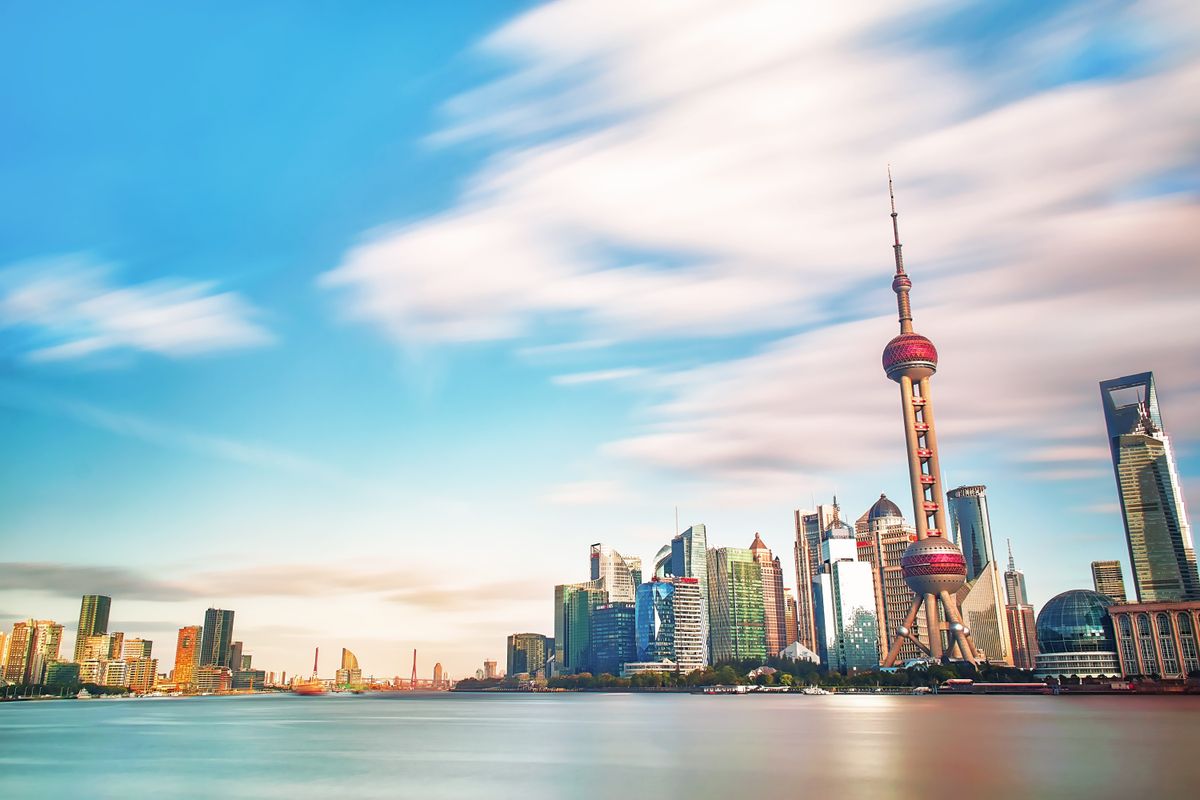
Shanghai is not just a city. It is a statement. A place where 1930s Art Deco banks stand across the river from a skyline that looks like it was designed in the year 2080. Where elderly residents practice tai chi in manicured gardens while, two blocks away, a Japanese-trained barista pours a perfect cortado in a converted textile warehouse. Shanghai is the most cosmopolitan city in China, and one of the most exciting cities on Earth.
If this is your first time visiting China, Shanghai is arguably the best place to start. The infrastructure is world-class, English is more widely spoken here than anywhere else on the mainland, and the city rewards both careful planning and aimless wandering in equal measure. Whether you have three days or two weeks, you will leave wanting more.
Why Visit Shanghai
Shanghai is where China’s past and future collide most dramatically. The city was a colonial trading port in the 19th and early 20th centuries, leaving behind European-style mansions, tree-lined boulevards, and grand neoclassical buildings along the Bund. But it is also the city that built the world’s second-tallest building, operates a magnetic levitation train to the airport, and hosts a tech scene that rivals Silicon Valley.
What makes Shanghai special for visitors is the East-meets-West character that runs through everything. The food draws on Shanghainese, Cantonese, Sichuan, and international influences. The nightlife ranges from hidden speakeasies to rooftop bars 100 floors above the Huangpu River. You can visit a 400-year-old classical garden in the morning and a contemporary art museum designed by a Pritzker Prize winner in the afternoon.
Shanghai is also remarkably easy to navigate. The metro is clean, modern, and well-signed in English. Many restaurants have English or picture menus. And the city’s long history of welcoming foreigners means there is a comfort level here you may not find in more off-the-beaten-path destinations.
One more reason to visit now: China’s 144-hour visa-free transit policy lets citizens of 55 countries — including the USA, UK, Canada, Australia, and most of Europe — enter Shanghai visa-free for up to six days, as long as they hold an onward ticket to a third country. Nearly a week to explore, with zero visa paperwork.
Top Attractions
The Bund (Waitan)
The single most iconic view in China. This 1.5-kilometer waterfront promenade along the western bank of the Huangpu River is lined with 52 grand colonial-era buildings — former banks, trading houses, and hotels in every style from neoclassical to Art Deco. Stand at the railing and look east, and you are staring directly at the space-age Pudong skyline. History on one side, the future on the other.
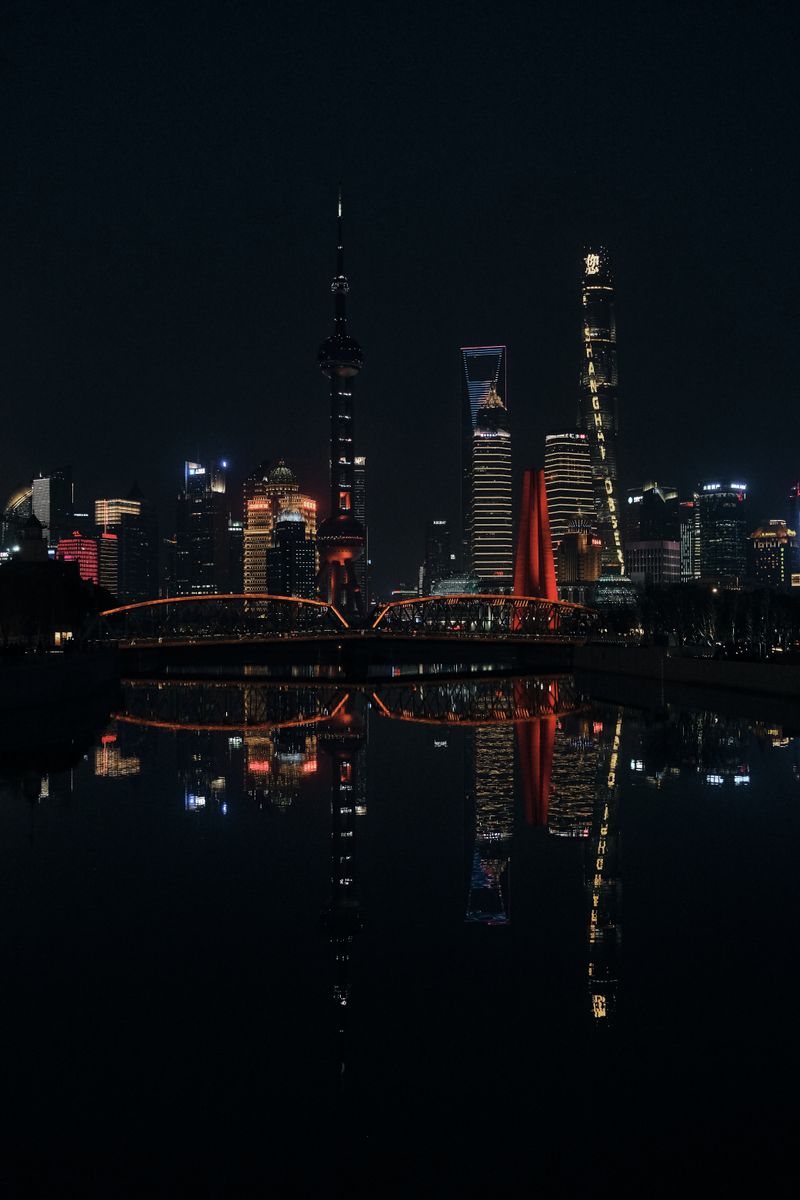
Go twice — once during the day for architecture spotting and photographs, and again after dark when both sides of the river light up in a spectacular display. The best stretch runs between Nanjing Road and the old Waibaidu Bridge to the north. Early morning is also worthwhile if you want to see locals doing tai chi and ballroom dancing against the skyline backdrop. Free and always open.
Shanghai Tower
At 632 meters, it is the tallest building in China. The observation deck on the 118th floor costs around CNY 180 — book online to skip queues, and only go on a clear day. The Shanghai Tower, Jin Mao Tower, and the Shanghai World Financial Center (the “bottle opener”) stand side by side. If you only pick one, choose Shanghai Tower for height or SWFC for its open-air sky walk.
Yu Garden (Yuyuan Garden)
A classical Ming Dynasty garden (1559) packed with pavilions, rockeries, koi ponds, and dragon-topped walls. Touristy but genuinely lovely. The surrounding Yu Garden Bazaar is mostly aimed at tourists, but the famous Nanxiang Steamed Bun Restaurant is worth the queue for its xiaolongbao. Garden entry is around CNY 40.
Jade Buddha Temple (Yufo Si)
A working Buddhist temple housing two jade Buddha statues carved from single pieces of white jade. Monks chant, locals burn incense, and it offers a contemplative break from the city’s pace. Around CNY 50 entry.
Nanjing Road
China’s most famous shopping street stretches five kilometers from the Bund to Jing’an Temple. The eastern pedestrian section is neon-lit and perpetually crowded — more spectacle than serious shopping, but quintessential Shanghai. Walk it once for the experience.
Xintiandi
A restored block of traditional shikumen (stone-gate) lane houses converted into upscale restaurants, bars, and boutiques. Pleasant for lunch or evening drinks, and home to the Site of the First National Congress of the Chinese Communist Party.
French Concession and Local Life
If the Bund is Shanghai’s postcard, the Former French Concession is its soul. Wide, tree-lined avenues (gorgeous in autumn when the plane trees turn gold), low-rise buildings with wrought-iron balconies, and a village-like atmosphere that feels worlds away from Pudong’s towers.
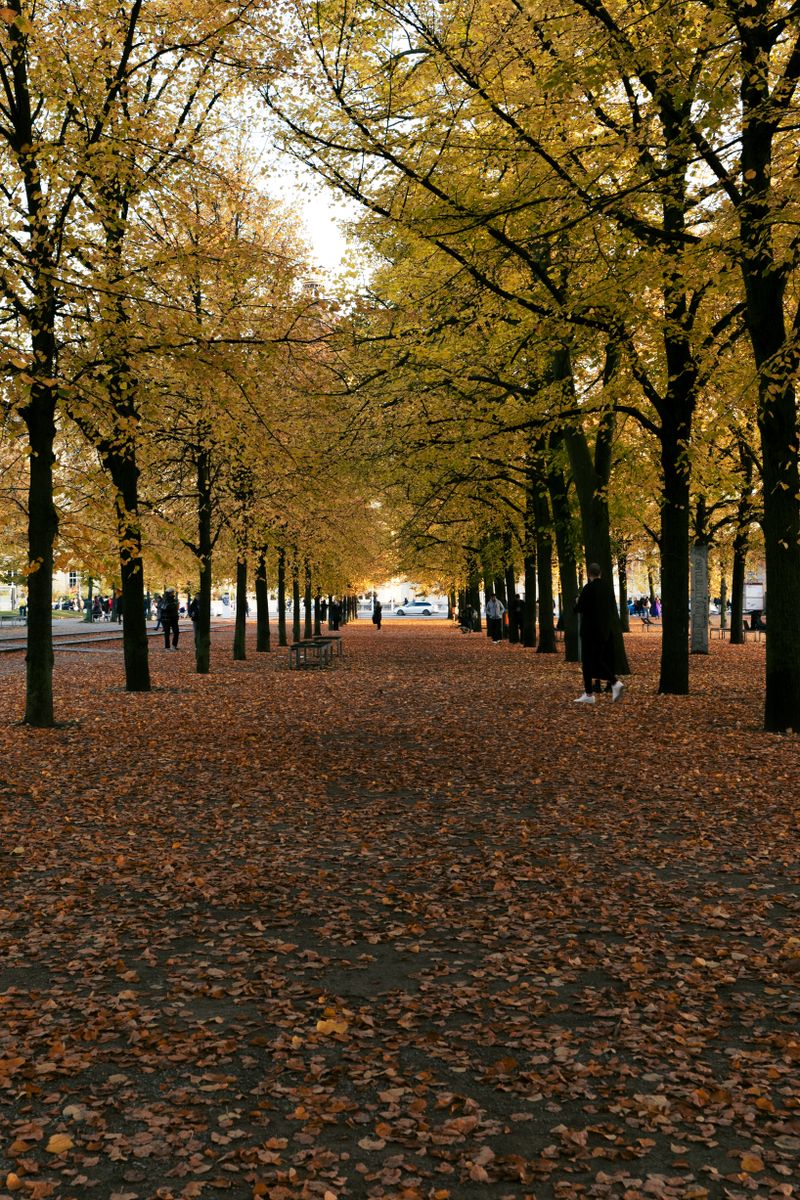
The streets around Wukang Road, Yongfu Road, and Anfu Road are packed with independent coffee shops, wine bars, vintage clothing stores, vinyl record shops, and tiny galleries tucked into old lane houses. This is the Shanghai that locals love most.
What to do here:
- Walk Wukang Road from the iconic wedge-shaped Normandie Apartments northward
- Browse Tianzifang, a labyrinth of narrow alleys filled with artist studios, craft shops, and teahouses — enter from Taikang Road
- Dig for vinyl at UpTown Records on Yongfu Road
- Grab coffee at Manner Coffee (a Shanghai-born chain, around CNY 15-25) or % Arabica
- Visit former residences of Sun Yat-sen and Song Qingling, now small museums
The French Concession is best experienced at a slow pace. Spend a full morning or afternoon just walking.
Shanghai Food Guide
Xiaolongbao (Soup Dumplings)
The dish Shanghai is most famous for. Delicate steamed dumplings filled with seasoned pork and a pocket of savory broth. The technique: place one on a soup spoon, bite a small hole, sip the broth, then eat the rest dipped in black vinegar with ginger.
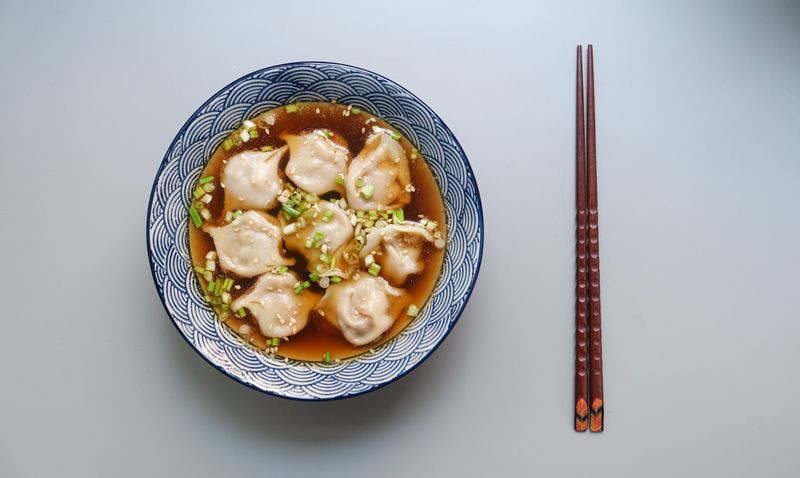
- Din Tai Fung — Consistent quality, English menus, multiple locations (IFC Mall, Shanghai Centre). Around CNY 100-150 per person.
- Jia Jia Tang Bao — A tiny shop on Huanghe Road near People’s Square that locals swear by. The pork and crab roe dumplings are extraordinary. Steamer basket around CNY 25-45. Always a line. Worth every minute.
Also excellent: Nanxiang Steamed Bun Restaurant at Yu Garden and Fu Chun Xiao Long on Yuyuan Road.
Shengjianbao (Pan-Fried Soup Buns)
The crispy-bottomed cousin of xiaolongbao — golden crunchy base, fluffy top with sesame seeds, and soup-filled pork inside. Go to Yang’s Fried Dumplings (Xiao Yang Shengjianbao) — four pieces for around CNY 12-15. For a sit-down breakfast, Da Hu Chun on Sichuan Road serves superb shengjianbao alongside soy milk and youtiao.
Local Breakfast
Beyond shengjianbao, look for cifangao (sticky rice rolls with youtiao and pork floss, CNY 5-8), soy milk and youtiao (CNY 5-10), and scallion oil noodles (CNY 10-18). For a full rundown, check our street food guide.
Hairy Crab Season
Visit between October and December and you hit hairy crab season — small freshwater crabs steamed whole with black vinegar and ginger, prized for their rich golden roe. A pair at a mid-range restaurant costs CNY 150-400.
Rooftop Bars and Nightlife
Shanghai’s bar scene is world-class. Several bars consistently rank among the World’s 50 Best.
- Bar Rouge — Bund terrace facing Pudong. Cocktails CNY 100-150.
- Flair (Ritz-Carlton Pudong) — 58th floor, Bund views. Cocktails CNY 120-160.
- Speak Low — Famed speakeasy on Fuxing Road, hidden behind a cocktail supply shop. Three floors. Cocktails CNY 80-120.
For late-night, the area around Yongfu Road has clusters of bars. Found 158 on Julu Road is a sunken bar complex built in an old bomb shelter — worth a look.
Getting Around Shanghai
Metro
The Shanghai Metro has 20 lines, 500+ stations, English signage, and fares of CNY 3-9. Pay with Alipay or WeChat Pay by scanning at the turnstiles. Trains run from about 5:30 AM to 10:30 PM. Avoid rush hour (7:30-9 AM, 5-7 PM) if possible. For payment setup, read our payment guide.

Maglev from Pudong Airport
The Maglev runs from Pudong Airport to Longyang Road station in 7 minutes at 431 km/h — the fastest commercial train in the world. CNY 50 one-way (CNY 40 with same-day airline ticket). A tourist attraction in itself. From Longyang Road, transfer to the metro.
Didi (Ride-Hailing)
China’s Uber equivalent. English interface, accepts international credit cards or Alipay, and a cross-city ride costs CNY 30-60. Essential for late nights and luggage. Full setup instructions in our Didi guide.
Ferry Across the Huangpu
For just CNY 2, take a commuter ferry between the Bund and Pudong — 10 minutes, waterline-level skyline views, and far more authentic than the tourist cruise boats. The Jinling Road to Dongchang Road crossing is the most popular.
Download metro maps and essential apps before you arrive — our best apps guide covers everything, and grab an eSIM so your apps work once you land.
Best Areas to Stay
Jing’an District
Best for first-timers. Central, excellent metro connections, huge range of hotels. Walk to the French Concession, short metro ride to the Bund. Budget: CNY 300-500/night. Mid-range: CNY 600-1200. Luxury: The PuLi or Jing An Shangri-La at CNY 2000+.
French Concession
Best for atmosphere and nightlife. Shanghai’s most charming, walkable neighborhood. Metro stations may be a 10-15 minute walk depending on location. Boutique hotels and serviced apartments are the sweet spot here.
Lujiazui (Pudong)
Best for skyline views and business travelers. Wake up surrounded by skyscrapers, easy access to observation decks and Pudong’s high-end malls like the IFC. The trade-off is that it feels more corporate than charming, and crossing the river to the Bund, French Concession, and Old City adds 20-40 minutes to every outing. Five-star options include the Ritz-Carlton, Four Seasons, and Mandarin Oriental.
Near People’s Square
Best for budget and convenience. Central metro hub (Lines 1, 2, 8), walking distance to Nanjing Road and the Bund. Not atmospheric, but hard to beat on price and transit access.
Day Trips from Shanghai
China’s high-speed rail makes several world-class destinations easy day trips. Book tickets using our train tickets guide.
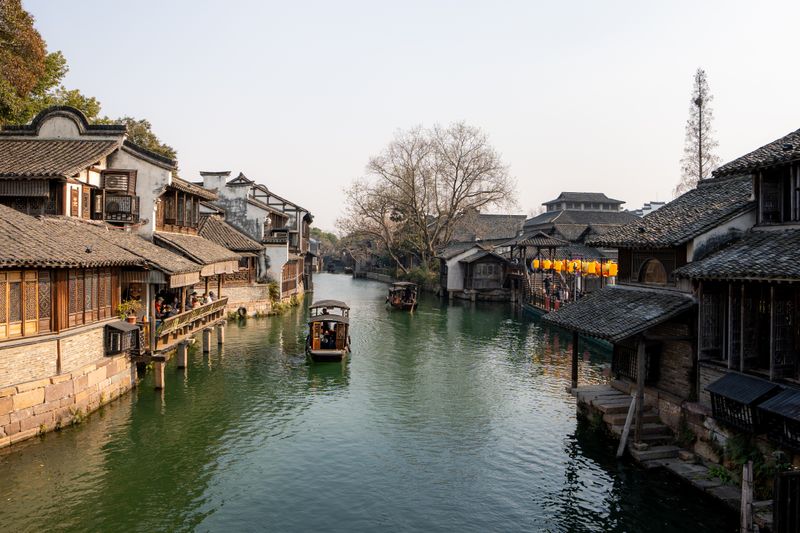
Suzhou — The Venice of the East
30 minutes by train, around CNY 40. Famous for classical Chinese gardens (nine are UNESCO sites), old canals, and silk. Visit the Humble Administrator’s Garden, walk canal-side Pingjiang Road, and see the Suzhou Museum (designed by I.M. Pei, free). Comfortably done in a day.
Hangzhou and West Lake
1 hour by train, around CNY 75. Hangzhou’s West Lake has been inspiring Chinese poets and painters for over a thousand years, and it genuinely lives up to the reputation. The lake is ringed by misty hills, pagodas, causeways, and gardens. Walk or cycle the shoreline path, take a boat to one of the small islands, and visit Lingyin Temple, one of China’s largest Buddhist temples. Hangzhou is also the home of Longjing (Dragon Well) tea — visit a tea village in the surrounding hills for a tasting. A full day trip works, though Hangzhou deserves an overnight if you have time.
Zhujiajiao Water Town
About 1 hour by bus or Didi from central Shanghai. If you want a taste of a traditional Yangtze Delta water town without traveling far, Zhujiajiao is the most accessible option. This 1,700-year-old town has stone bridges, narrow canal-side alleys, and traditional houses right on the water. It is smaller and more manageable than the more famous Zhouzhuang or Wuzhen. Take a boat ride through the canals (around CNY 10 per person), eat zongzi (sticky rice dumplings) from a street stall, and explore the old lanes. Half a day is enough.
Moganshan
2-3 hours by car. A forested mountain retreat with bamboo groves, hiking trails, and boutique resorts. Best as an overnight trip. Beautiful in spring and autumn.
Practical Tips
Weather and When to Visit
- Best months: April-May and October-November. Comfortable temperatures (15-25 C), clear skies. Autumn means hairy crab season and golden leaves in the French Concession.
- Summer (June-September): Brutally hot and humid. July-August hit 35-40 C. June’s “plum rain” season brings weeks of drizzle.
- Typhoon season (July-October): Occasional heavy rain and flight disruptions.
- Winter (December-February): Cold, grey, damp, 0-8 C. Buildings are poorly insulated. But fewer tourists and lower hotel prices.
- Avoid Chinese New Year and National Day Golden Week (Oct 1-7) — massive crowds and spiking prices.
VPN and Internet Access
China’s Great Firewall blocks Google, WhatsApp, Instagram, YouTube, Facebook, Twitter, and most Western apps and websites. This is not a minor inconvenience — it fundamentally affects how you navigate, communicate, and find information.
The simplest solution: buy an international eSIM before you depart. It routes your data through overseas servers, bypassing the firewall entirely. No VPN configuration needed. Everything on your phone just works as it does at home. Read our eSIM guide for recommendations and setup instructions. If you prefer a VPN instead, set it up and test it before you arrive — free VPNs almost never work in China.
Language
Mandarin is the primary language. Shanghai has more English signage than most Chinese cities, but do not rely on it. Download Google Translate’s offline Chinese pack before you leave (the camera function translates menus and signs). Pleco is the best Chinese dictionary app. Learn the basics: hello (nihao), thank you (xiexie), how much (duoshao qian), this one please (zhe ge). Our best apps guide has the full list.
Tipping
Do not tip. It is not customary anywhere in China and can cause confusion.
Money and Payments
China is nearly 100% cashless. You will pay for almost everything by scanning QR codes with Alipay or WeChat Pay — from five-star restaurants to tiny street food stalls. Foreign tourists can now link international Visa and Mastercard credit cards to Alipay, making this much easier than it used to be. Set it up before your trip using our payment guide. Carry CNY 200-500 in cash as a backup for the rare vendor that does not take mobile payments, but expect to use your phone for 95% of transactions.
Suggested Itineraries
3-Day Itinerary
Day 1: The Bund, Old City, and Pudong. Morning walk along the Bund. South to Yu Garden and the bazaar. Xiaolongbao lunch at Jia Jia Tang Bao or Nanxiang. Afternoon in Pudong — Shanghai Tower observation deck. Evening cocktails at Flair or Bar Rouge with skyline views.
Day 2: French Concession and Local Shanghai. Shengjianbao breakfast at Yang’s Fried Dumplings. Morning exploring the French Concession — Wukang Road, Anfu Road, Tianzifang, specialty coffee. Afternoon at Jade Buddha Temple or Jing’an Temple. Dinner at Jesse Restaurant for home-style Shanghainese. Night at Speak Low.
Day 3: Culture and Farewell. Morning at the Shanghai Museum (free, reservation required). Walk Nanjing Road. Final xiaolongbao at Din Tai Fung. Take the Huangpu River ferry for a last CNY 2 skyline view. If flying from Pudong, ride the Maglev to the airport.
5-Day Itinerary
Follow the 3-day plan, then add:
Day 4: Day Trip to Suzhou. Early train from Hongqiao (30 minutes). Humble Administrator’s Garden, Pingjiang Road, Suzhou Museum, Lingering Garden. Evening train back.
Day 5: Zhujiajiao and Wrap-Up. Morning at Zhujiajiao Water Town — canal-side streets, stone bridges, boat ride. Back by early afternoon. Spend remaining time at the West Bund cultural corridor (Long Museum, West Bund Art Center) or revisit favorite spots. Farewell rooftop dinner overlooking the river.
Shanghai reveals more of itself the longer you stay. Three days will give you the highlights. Five days will let you start to feel the rhythm. However long you have, prepare well, eat everything, and let the city surprise you.
For more help planning your trip, check our guides on eSIM options, setting up payments, booking trains, and the best apps to download before you go.

Frequently Asked Questions
How many days do you need in Shanghai?
2-3 days covers the highlights. Day 1: The Bund, Nanjing Road, Yu Garden. Day 2: French Concession, Xintiandi, Shanghai Tower. Day 3: Zhujiajiao water town day trip.
Is Shanghai expensive?
Shanghai is China's most expensive city but still affordable by Western standards. Budget meals cost $3-5, metro rides are $0.50-1, and mid-range hotels are $50-100/night.