Xiamen Travel Guide 2026: Gulangyu Island, Coastal Charm & Southern Fujian Culture
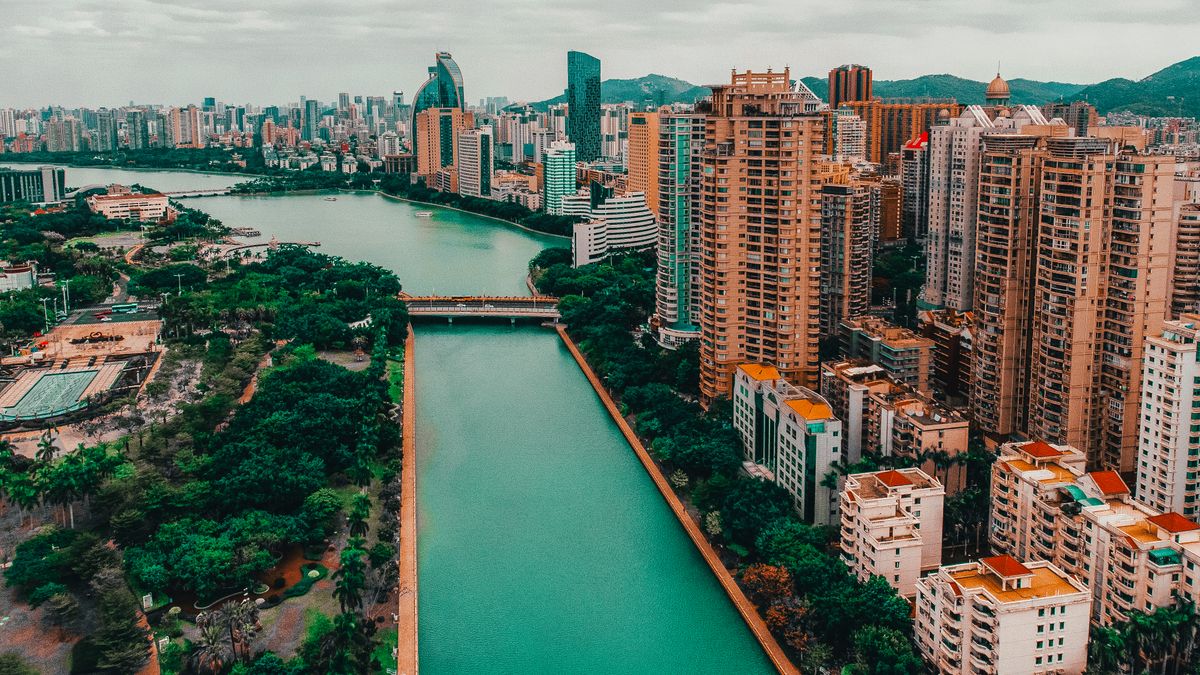
Xiamen is the kind of city that catches you off guard. You arrive expecting a midsize Chinese coastal town, and what you find instead is a breezy, walkable, genuinely beautiful place with tree-lined colonial boulevards, a world-class island just offshore, and some of the best seafood in southern China — all without the crowds and intensity of Shanghai or Beijing.
Sitting on the southeast coast of Fujian province, directly across the strait from Taiwan, Xiamen has a warmth that is both literal and cultural. The weather is mild year-round, the locals speak Hokkien (the same language family as Taiwanese), and the pace of life is noticeably slower than in China’s megacities. It regularly lands on “most livable city in China” lists, and once you spend a few days here, you will understand why.
For foreign travelers, Xiamen offers a rare combination: UNESCO heritage, stunning coastal scenery, incredible food, a surprisingly vibrant cafe culture, and easy day trips to the otherworldly Fujian Tulou earthen roundhouses. It is one of China’s best-kept secrets among international visitors, though domestic tourists have loved it for decades.
Why Visit Xiamen
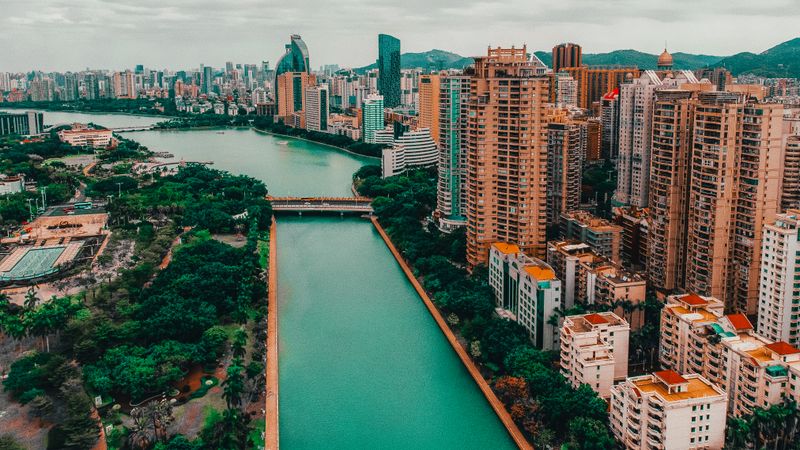
It is gorgeous. Xiamen is built on an island connected to the mainland by bridges and a causeway. The coastline is lined with palm trees, the air smells like the ocean, and the sunsets over the Taiwan Strait are the kind that make you stop walking and just stare. The 43-kilometer Huandao Road that rings the island is one of the most scenic coastal drives — or bike rides — in all of China.
Gulangyu Island is a UNESCO World Heritage Site. A five-minute ferry ride from downtown takes you to a car-free island packed with colonial-era mansions, winding lanes, lush gardens, and piano music drifting from open windows. It is utterly unlike anything else in China and worth the trip to Xiamen all by itself.
The food is extraordinary. Xiamen is the heartland of Hokkien cuisine — the same culinary tradition that spread across Southeast Asia with Fujian emigrants. Satay noodles, oyster omelettes, peanut soup, and some of the freshest seafood you will ever eat, all at prices that make Hong Kong look outrageous. For more on Chinese street food, see our street food guide.
It is affordable and relaxed. Compared to Beijing, Shanghai, or even nearby Hong Kong, Xiamen is significantly cheaper. A superb seafood dinner for two might cost 150-200 RMB (about $20-28 USD). Hotels are well-priced. And unlike China’s frenetic megacities, Xiamen actually encourages you to slow down.
It is a gateway to the Fujian Tulou. The UNESCO-listed earthen roundhouses — massive circular communal dwellings built by the Hakka people centuries ago — are a few hours away by car or bus. They are among the most unique architectural wonders in the world.
Gulangyu Island (鼓浪屿)
Gulangyu is the crown jewel of Xiamen and the main reason many travelers come here. This tiny island — just 1.88 square kilometers — was an international settlement in the 19th and early 20th centuries, and the legacy is a dreamy collection of over a thousand colonial-era buildings in various European styles, all slowly being reclaimed by tropical vegetation.
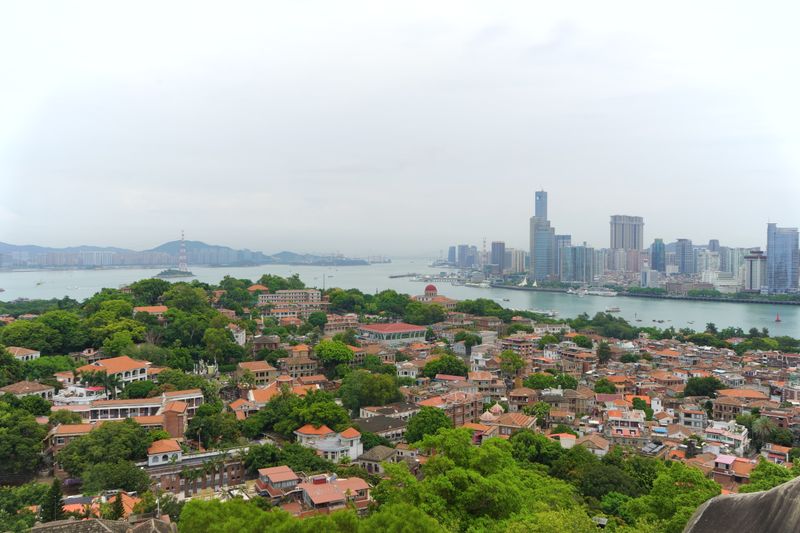
No cars are allowed. The only vehicles on Gulangyu are small electric service carts. You explore entirely on foot, wandering narrow lanes that twist between old mansions, banyan trees, and small shops selling local snacks. It feels like stepping into a different era.
Shuzhuang Garden is a beautifully designed seaside garden originally built as a private villa in 1913. Its “Garden within the Sea, Sea within the Garden” design cleverly incorporates the ocean views into the landscape. Entry is 30 RMB.
The Piano Museum houses over 100 antique pianos from around the world, reflecting Gulangyu’s nickname as “Piano Island.” The island has produced a disproportionate number of famous Chinese musicians and reportedly has the highest density of pianos per capita in China. Entry is included with the Shuzhuang Garden ticket.
Sunlight Rock (Riguang Yan) is the highest point on the island at 92.7 meters. The panoramic views of Xiamen’s skyline, the harbor, and the surrounding sea are worth the climb. Entry is 50 RMB.
Getting there: Ferries to Gulangyu depart from the Dongdu International Terminal (for tourists, not the local terminal). Round-trip tickets cost 35 RMB and the crossing takes about 20 minutes. Book in advance during peak season (summer, national holidays) as daily visitor numbers are capped. You will need your passport to purchase tickets. Return ferries depart from either Sanqiu Tian Wharf or Neicuo’ao Wharf on Gulangyu.
Tip: Visit on a weekday if possible. Gulangyu sees huge crowds on weekends and holidays, which can diminish the dreamy, peaceful atmosphere that makes it special. Early morning arrivals (first ferry around 7:10am) are the most rewarding.
City Attractions
Nanputuo Temple (南普陀寺)
One of the most important Buddhist temples in southeast China, Nanputuo sits at the foot of Wulao Peak and dates back to the Tang Dynasty. The temple complex is active and atmospheric — monks chant, incense smoke curls through ornate halls, and the mountain backdrop is stunning.
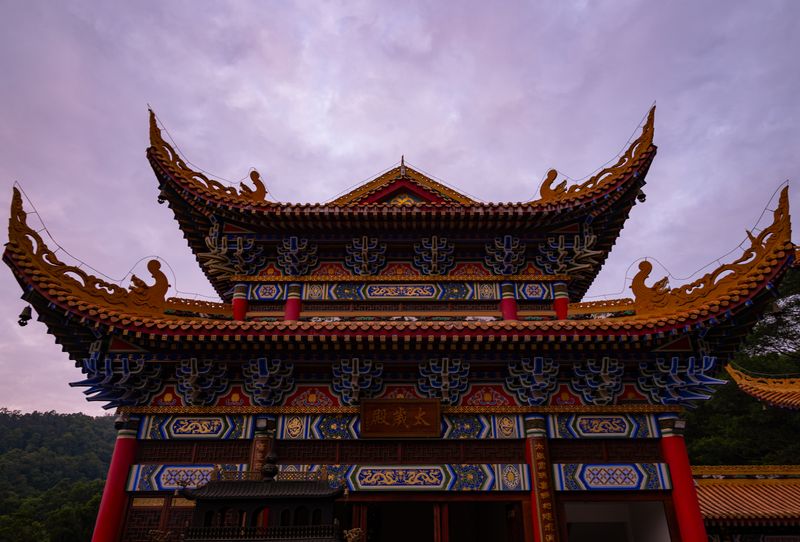
Entry is free. After exploring the main halls, hike the path behind the temple up into the hills for excellent views over the temple roofs and out to the sea. The vegetarian restaurant inside the temple grounds is well-known and worth trying — full meals for about 15-30 RMB.
Xiamen University (厦门大学)
Immediately adjacent to Nanputuo Temple, Xiamen University is widely considered the most beautiful university campus in China. Founded in 1921, it features a gorgeous mix of Western and traditional Chinese architecture set among palm trees and a lake. The Furong Tunnel inside campus is covered in colorful graffiti and student artwork. Note that campus visits may require advance booking through the university’s official WeChat — check current policies before visiting.
Zhongshan Road Pedestrian Street (中山路步行街)
Xiamen’s main commercial street is a lively pedestrian boulevard lined with restored early-20th-century arcade buildings (qilou) — a distinctive Southern Chinese architectural style with covered walkways. At night, the neon signs and bustling crowds create a fantastic atmosphere. This is the place for shopping, snacking, and people-watching. Try the local peanut soup and satay noodles from street vendors along the side alleys.
Huandao Road (环岛路)
The coastal road that circles Xiamen island is one of the most scenic urban routes in China. Rent a bicycle (about 20-40 RMB for a few hours from rental stations along the route) and ride along the waterfront, passing beaches, parks, sculptures, and views across the strait to the Kinmen Islands (which belong to Taiwan — you can see them clearly on a good day). The stretch between Baicheng Beach and the Convention Center is the most popular.
Zengcuo’an Village (曾厝垵)
Once a fishing village, now a charming bohemian neighborhood packed with small guesthouses, independent cafes, craft shops, and street food stalls. It has the feel of a Southeast Asian backpacker village transplanted onto the Chinese coast. Great for an afternoon of wandering and snacking.
Fujian Tulou Day Trip
The Fujian Tulou are among the most remarkable buildings on earth. These massive, circular (and sometimes rectangular) earthen structures were built by the Hakka and Hoklo people between the 12th and 20th centuries. Each one is essentially a fortified village — a single building housing dozens of families, with thick rammed-earth walls up to two meters thick that kept residents cool in summer, warm in winter, and safe from bandits.
UNESCO inscribed a selection of 46 Tulou as a World Heritage Site in 2008. The two most popular clusters to visit from Xiamen are:
Yongding Tulou — About 3 to 3.5 hours from Xiamen. The star here is the Chengqi Lou (承启楼), a massive circular Tulou with four concentric rings and 400 rooms. It is the single most impressive Tulou and often called the “King of Tulou.” The Yongding cluster also includes the “Tulou Prince” Zhencheng Lou, which blends Chinese and Western architectural elements.
Nanjing Tulou (Tianluokeng Cluster) — About 3 hours from Xiamen. This cluster of five Tulou arranged together is often called “Four Dishes and a Soup” for the way the buildings look from above. The hilltop viewing platform offers an iconic photo opportunity.
Getting there: The easiest option is a day-tour booked through your hotel or a local agency (200-400 RMB per person including transport and guide, entry tickets extra at about 90 RMB). Independent travel is possible via buses from Xiamen to Nanjing County or Yongding, but connections can be slow and infrequent. A private car hire runs about 600-800 RMB for the day and gives you the most flexibility.
Tip: Many Tulou are still inhabited. Be respectful of residents’ privacy and ask before photographing people.
Food and Drink
Xiamen’s food scene is one of the best reasons to visit. The city is the capital of Hokkien cuisine, and the flavors here — heavy on seafood, peanuts, and the distinctive shacha (satay) sauce — will be familiar to anyone who has eaten in Southeast Asia.
Satay Noodles (沙茶面)
Xiamen’s signature dish. Thin yellow noodles in a rich, savory-sweet satay (shacha) broth, loaded with your choice of toppings — tofu, pork intestine, shrimp, clams, duck blood, or vegetables. You pick what goes in, and a big bowl costs about 15-30 RMB. Wulanshan Shacha Mian near Zhongshan Road is a local favorite.
Oyster Omelette (海蛎煎)
A thick, eggy pancake studded with fresh local oysters and bound with sweet potato starch, served with a sweet chili sauce. Xiamen’s version is considered among the best in the Hokkien-speaking world. Find excellent ones at night market stalls and small restaurants around Zhongshan Road for 10-20 RMB.
Peanut Soup (花生汤)
A simple, comforting dessert soup of slow-cooked peanuts in a sweet broth, often served for breakfast with fried dough sticks (youtiao). Xiamen is famous for this, and Huang Zehe Peanut Soup Shop (黄则和花生汤店) on Zhongshan Road has been serving it since the 1950s. A bowl costs about 5-8 RMB.
Shacha Hotpot (沙茶火锅)
Unlike the fiery Sichuan or rich bone-broth styles, Xiamen’s hotpot features a distinctive shacha-based broth — nutty, slightly sweet, and deeply savory. Dip in fresh seafood, thinly sliced beef, mushrooms, and greens. A meal for two runs about 100-180 RMB at local hotpot restaurants.
Seafood
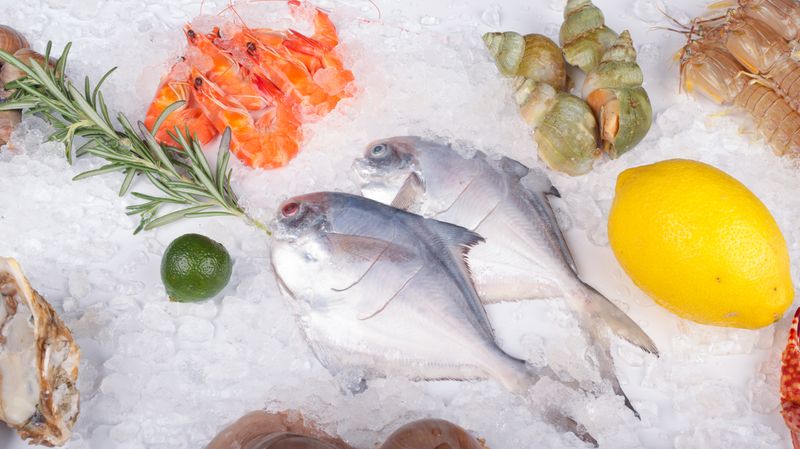
Being a coastal city, Xiamen’s seafood is outstanding and remarkably affordable. Head to the seafood restaurants along Hubin South Road or around Zengcuo’an Village, where you can pick live fish, crabs, prawns, and shellfish from tanks and have them cooked to order. A lavish seafood dinner for two can easily stay under 200 RMB. For more tips on eating in China, check our street food guide.
Spring Rolls (薄饼)
Xiamen-style spring rolls (popiah) are a thin wheat wrapper filled with shredded carrots, cabbage, bean sprouts, crushed peanuts, and minced pork or shrimp, eaten fresh rather than fried. They are light, delicious, and available from street vendors for just a few RMB.
Coffee and Cafe Culture
Here is something most travel guides do not tell you: Xiamen has one of the best cafe scenes in China. The city reportedly has more coffee shops per capita than any other city in the country, and the quality is genuinely excellent. The mild climate, university-town atmosphere, and Gulangyu’s bohemian heritage have all contributed to a thriving independent coffee culture.
Wander through Shapowei (沙坡尾), a former fishing harbor that has been transformed into a creative district, and you will find artisan roasters and minimalist third-wave cafes on nearly every corner. Zengcuo’an Village is another cafe hotspot with dozens of cozy, Instagram-friendly spots. On Gulangyu itself, the charming lanes are dotted with small cafes where you can sit with an excellent pour-over and watch the world go by.
Expect to pay 25-45 RMB for a specialty coffee — roughly half what you would pay in Shanghai or Hong Kong for comparable quality.
Best Time to Visit
Xiamen enjoys a subtropical climate and is pleasant for most of the year.
Best months: October through April. Autumn (October-November) is ideal — warm, dry, and not too humid, with temperatures around 20-28C. Winter (December-February) is mild by Chinese standards, rarely dropping below 10C, and the city is much less crowded. Spring (March-April) is beautiful but can be rainy.
Avoid: July through September. This is typhoon season, and while Xiamen does not get hit every year, the heat (32-36C), humidity, and occasional tropical storms make it the least comfortable time to visit. Gulangyu’s ferry service can be disrupted during typhoon warnings.
Chinese national holidays (particularly the first week of October for Golden Week and Chinese New Year in January/February) bring enormous domestic tourist crowds to Gulangyu. Book ferries and accommodation well in advance if visiting during these periods.
Getting There and Around
Getting to Xiamen
By air: Xiamen Gaoqi International Airport (XMN) has direct flights from many Asian cities including Singapore, Tokyo, Seoul, Bangkok, and Kuala Lumpur, as well as connections from most major Chinese cities. The airport is on the island, just 20-30 minutes from downtown by taxi (30-50 RMB) or airport bus.
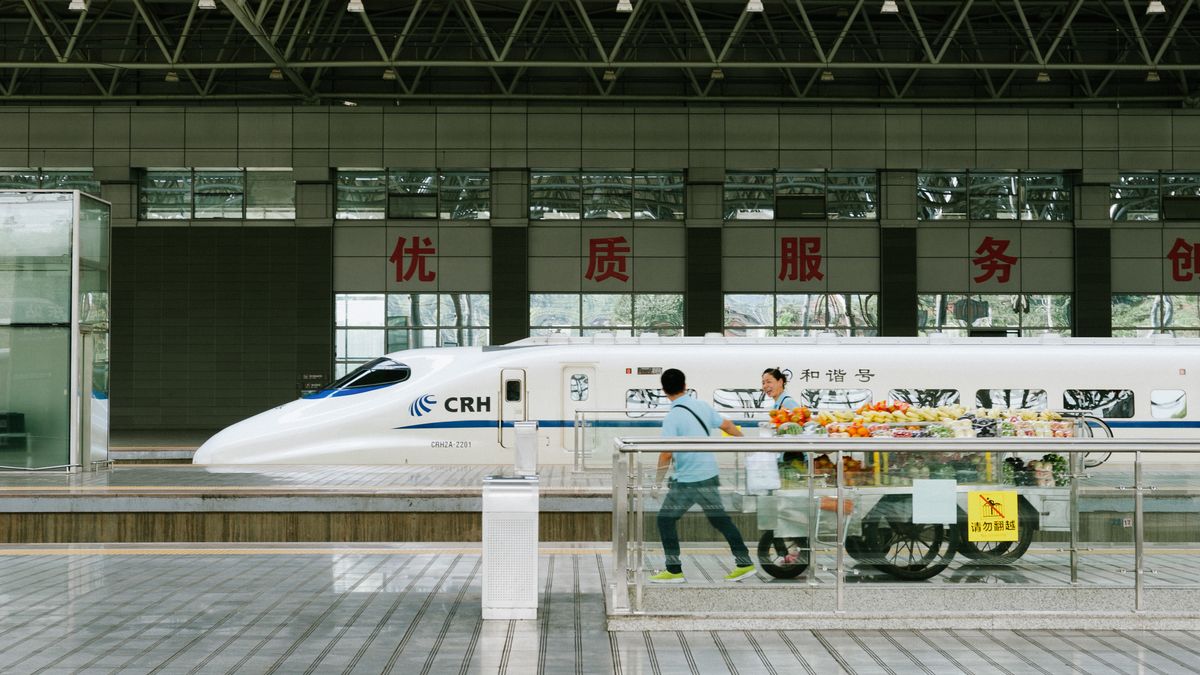
By high-speed rail: Xiamen is well connected to China’s high-speed rail network. From Shanghai, the journey takes about 4.5-5 hours. From Shenzhen, it is about 3.5 hours. From Fuzhou (Fujian’s capital), just 1-1.5 hours. Trains arrive at Xiamen Station (downtown) or Xiamen North Station (connected to downtown by BRT or metro). For help booking, see our train tickets guide.
Getting Around Xiamen
Metro: Xiamen’s metro system has several lines covering most major areas. Fares are 2-7 RMB per trip. Clean and modern.
BRT (Bus Rapid Transit): Xiamen has an elevated BRT system that runs on dedicated lanes above regular traffic. It is fast and efficient, connecting the train stations, airport area, and key parts of the city. Fares are just 1 RMB.
Shared bicycles and e-bikes: Perfect for the Huandao Road coastal ride. Widely available through apps. A connected eSIM will help you access these apps on the go.
Taxis and ride-hailing: Didi (China’s Uber equivalent) works well in Xiamen. Short taxi rides around town are 10-25 RMB. You will want Alipay or WeChat Pay set up for ride-hailing — see our payment guide.
Ferries: Essential for reaching Gulangyu. Tourist ferries depart from Dongdu International Terminal (round-trip 35 RMB, about 20 minutes). There is also a local ferry from the closer Luntou Terminal, but it is restricted to Xiamen residents.
Where to Stay
Siming District (思明区) — Best for first-timers. This is the heart of Xiamen island, home to Zhongshan Road, Nanputuo Temple, Xiamen University, and the ferry terminal to Gulangyu. You are walking distance from most major attractions. Mid-range hotels run 200-500 RMB/night, budget hostels from 60-120 RMB/night.
Near Zhongshan Road — Best for food and nightlife. Stay within a few blocks of the pedestrian street and you will have endless restaurants, snack stalls, and cafes at your doorstep. This area also has the best transport connections.
Zengcuo’an Village — Best for a bohemian vibe. Guesthouses and boutique hotels right on the coast, surrounded by cafes and street food. A bit further from the city center but right on the Huandao Road coastal path. Rooms from 150-400 RMB/night.
Gulangyu Island — Best for atmosphere. Staying overnight means you get to experience the island after the day-trippers leave, when it transforms into a quiet, magical place. Heritage boutique hotels occupy converted colonial mansions (300-800 RMB/night). The tradeoff is that you must ferry all your luggage over, and dining options are more limited and slightly pricier.
Practical Tips
Payment: Cash is accepted but Xiamen runs heavily on mobile payments. Set up Alipay or WeChat Pay before you arrive — our payment guide walks you through the process. International credit cards work at hotels and some larger restaurants but not at street food stalls or small shops.
Language: English is not widely spoken in Xiamen outside of international hotels. Download Google Translate offline Chinese before arriving (you will need a VPN to use Google services in China). Having your hotel address written in Chinese characters is very helpful for taxi drivers. An eSIM with data is essential for translation apps and navigation.
Internet: China blocks Google, WhatsApp, Instagram, and many Western apps. Unlike Hong Kong, Xiamen is behind the Great Firewall. A VPN or a roaming eSIM that bypasses restrictions is strongly recommended.
Safety: Xiamen is one of the safest cities in China, which is already one of the safest countries for travelers. Petty crime is rare. The main hazards are sunburn, dehydration in summer, and eating too much.
Budget tips:
- A great day in Xiamen can cost under 200 RMB — satay noodles for breakfast (15 RMB), Gulangyu ferry and exploration (35 RMB + entry fees), seafood dinner (80-100 RMB)
- The BRT costs just 1 RMB per ride — one of the cheapest transit systems in China
- Nanputuo Temple is free, and the hike behind it offers the best free views in the city
- Tap water is not safe to drink — buy bottled water (2-3 RMB everywhere)
Xiamen is the kind of place where you book three days and wish you had booked five. Between the dreamlike lanes of Gulangyu, the remarkable Tulou in the surrounding countryside, the incredible food, and the simple pleasure of cycling along the coast with a sea breeze in your face, this city offers something that China’s bigger destinations often do not — the chance to genuinely relax. Come hungry, bring comfortable walking shoes, and do not skip the peanut soup.
Frequently Asked Questions
How do I get to Gulangyu Island?
Take a ferry from the Xiamen International Cruise Terminal (for tourists) to Gulangyu. The ride takes about 20 minutes and costs ¥35 round trip. Book tickets online in advance during peak season.
Is Xiamen worth visiting?
Absolutely. Xiamen offers a unique mix of colonial architecture on Gulangyu Island, beautiful coastal scenery, excellent Hokkien cuisine, a vibrant cafe culture, and easy day trips to the UNESCO-listed Fujian Tulou earthen houses.