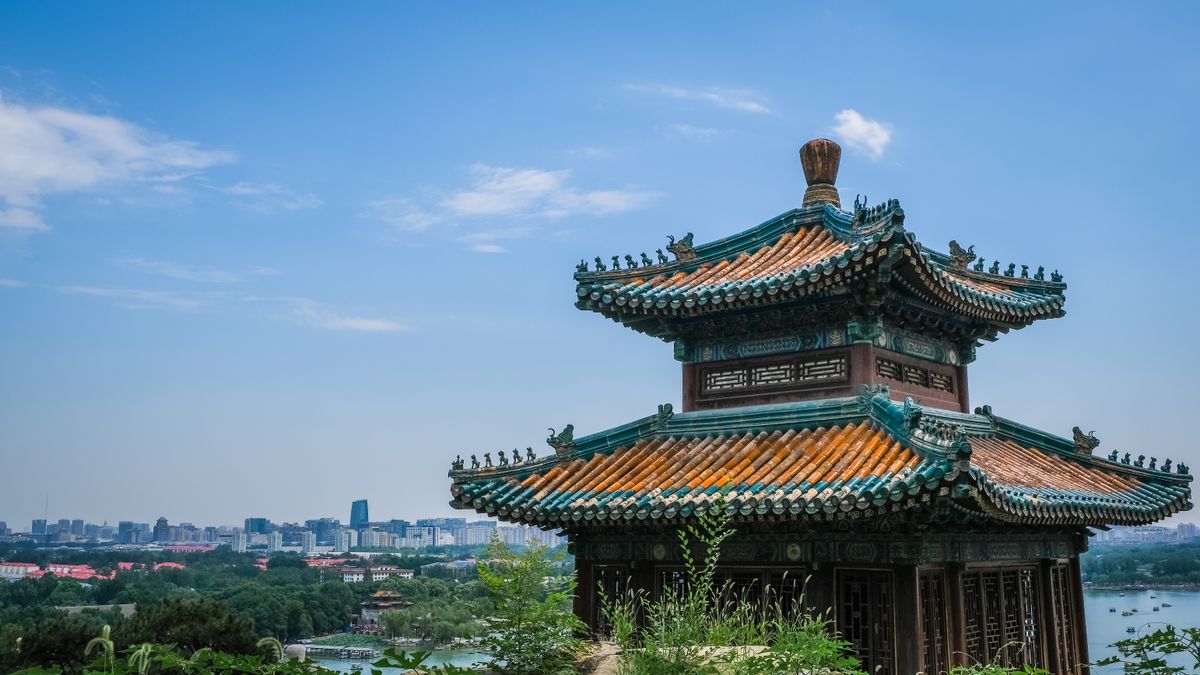
Xi'an Travel Guide 2026: Terracotta Warriors, Ancient Walls & Silk Road Flavors
Xi’an is where China began. This was the capital of thirteen dynasties, the eastern terminus of the Silk Road, and the seat of power when the Great Wall was being built and empires were rising and falling across the ancient world. For more than 3,100 years, history has been piling up here — layer upon layer — and it shows.
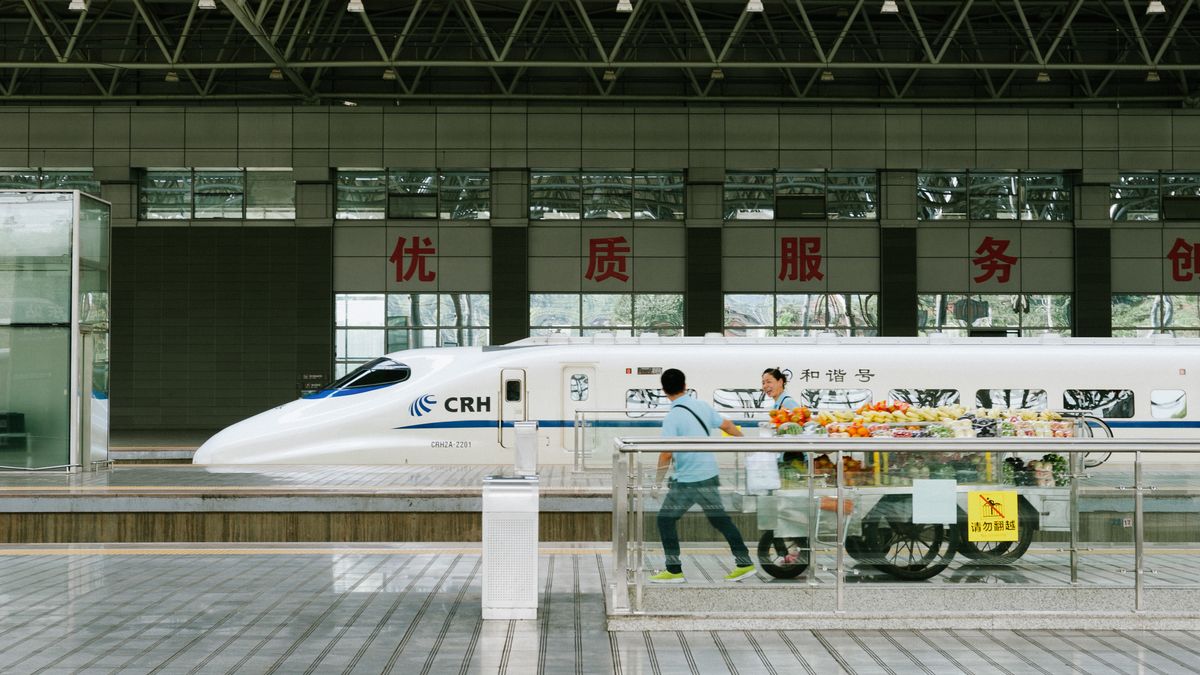
But Xi’an is not a museum city frozen in the past. It is a living, breathing, spectacularly loud and delicious metropolis of 13 million people. The ancient city wall still stands intact, encircling a dense core of night markets, neon-lit towers, and some of the best street food in all of China. Outside the wall, a modern Chinese city stretches in every direction, with a clean metro system, high-speed rail connections, and a vibe that is unmistakably northwestern — grittier, spicier, and more meat-heavy than the coastal cities most tourists visit first.
If you are planning a trip to China with any interest in history, food, or both, Xi’an deserves at least two full days on your itinerary. Four days if you want to do it properly, including the terrifying and magnificent Huashan mountain. This guide covers everything you need to plan it.
Why Visit Xi’an
Three reasons Xi’an belongs on every China itinerary:
It is where Chinese civilization took root. Xi’an (then called Chang’an) served as the capital of China for over a thousand years, through the Zhou, Qin, Han, Sui, and Tang dynasties. This is where Emperor Qin Shi Huang unified China and commissioned his Terracotta Army. This is where the Tang Dynasty presided over what many historians consider the golden age of Chinese civilization. Walking through Xi’an is walking through the origin story of a country that is home to 1.4 billion people.
It was the starting point of the Silk Road. The ancient trade route that connected China to Central Asia, Persia, and eventually Rome began right here. That legacy is still visible today in the Muslim Quarter, where Hui Chinese communities — descendants of Silk Road traders who settled here over a thousand years ago — serve food that blends Chinese and Central Asian flavors unlike anything you will find elsewhere.
The food alone justifies the trip. Xi’an is the undisputed food capital of northwest China. The cuisine is bold, carb-heavy, and built around wheat noodles, lamb, and flatbread rather than the rice-based dishes of the south. If you have only eaten Chinese food in coastal cities or Chinatowns abroad, Xi’an will recalibrate your understanding of what Chinese food can be.
Terracotta Warriors
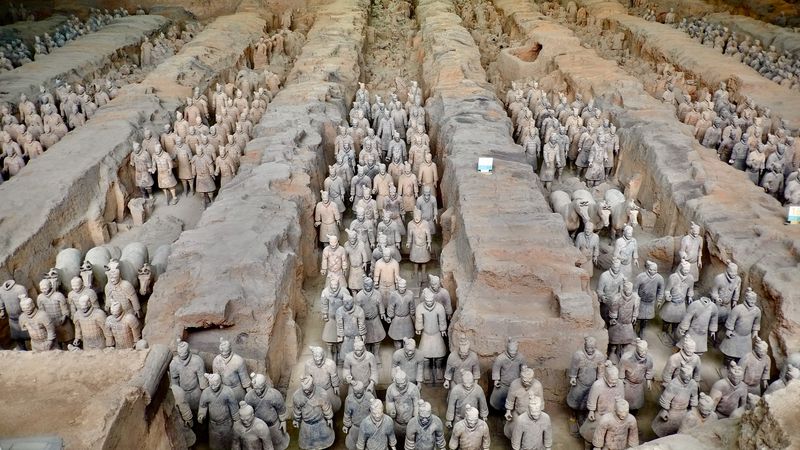
The Terracotta Warriors are the single most famous reason people come to Xi’an, and they deserve the hype. Discovered by farmers in 1974, this buried army of over 8,000 life-sized clay soldiers was built to guard Emperor Qin Shi Huang in the afterlife more than 2,200 years ago. Each figure has a unique face. The scale is staggering — Pit 1 alone is the size of an airplane hangar.
Getting there
The Terracotta Warriors (Bingmayong) are located in Lintong District, about 40 km northeast of central Xi’an. You have two main options:
- Tourist bus 306 (You 5). Departs from the east square of Xi’an Railway Station. The ride takes about 1-1.5 hours and costs 7 yuan each way. Buses run frequently from 7:00 AM to 7:00 PM. This is the cheapest and most straightforward option — just make sure you board the official green bus marked 306/You 5, not the private tour buses that touts will aggressively steer you toward.
- Didi or taxi. About 40-60 minutes depending on traffic, costing roughly 120-180 yuan each way. Faster and more comfortable, especially if you are splitting the cost. Check our Didi guide if you have not used the app before.
What to expect
The site has three main excavation pits plus a small museum:
- Pit 1 is the showstopper. A massive hall housing roughly 6,000 warriors arranged in battle formation. This is the image you have seen in every photograph and documentary. Stand at the railing and take it in — the sheer number of individual figures stretching into the distance is genuinely awe-inspiring.
- Pit 2 is partially excavated, with some warriors still embedded in the earth. Smaller but fascinating because you can see the archaeological process.
- Pit 3 is the smallest, thought to be the command headquarters, with high-ranking officer figures.
- The Bronze Chariots exhibition displays two spectacular half-size bronze chariot-and-horse sets found near the emperor’s burial mound. The craftsmanship is extraordinary.
How long to spend
Plan for 2.5 to 4 hours at the site. Most visitors spend about 3 hours. The pits are large, and you will want time to take it all in rather than rushing through.
Guide vs self-tour
Hiring an English-speaking guide at the entrance is worth considering. They charge around 150-200 yuan for a group tour or 300-400 yuan for a private guide, and they bring the warriors to life with historical context and stories you will not get from the signage alone. The information boards at the site are decent but brief. If you are a history enthusiast, a guide transforms the visit.
If you prefer going solo, read up on the history beforehand. Download an audio guide app or watch a documentary the night before — context makes everything more impressive.
Tips to avoid crowds
- Arrive early. The site opens at 8:30 AM (March-November) or 8:30 AM (December-February). Be at the gate by opening time. Tour buses from the city start arriving heavily around 10:00 AM.
- Visit on weekdays if possible. Weekends and Chinese public holidays (especially National Day week in early October and Chinese New Year) are extremely crowded.
- Start with Pit 2 or Pit 3, then circle back to Pit 1. Most tour groups head straight to Pit 1, so the smaller pits are quieter in the morning.
- The front rows of Pit 1 get the most crowded. Walk to the back and sides for a less obstructed view — the perspective from the rear, looking down the rows of warriors, is actually more dramatic.
Ticket price: 120 yuan (March-November) / 120 yuan (December-February). Free for children under 1.2m tall. Passport required for ticket purchase.
Ancient City Wall
Xi’an’s city wall is the best-preserved ancient city wall in all of China, and cycling the full loop along the top is one of those experiences you will remember long after the trip is over.
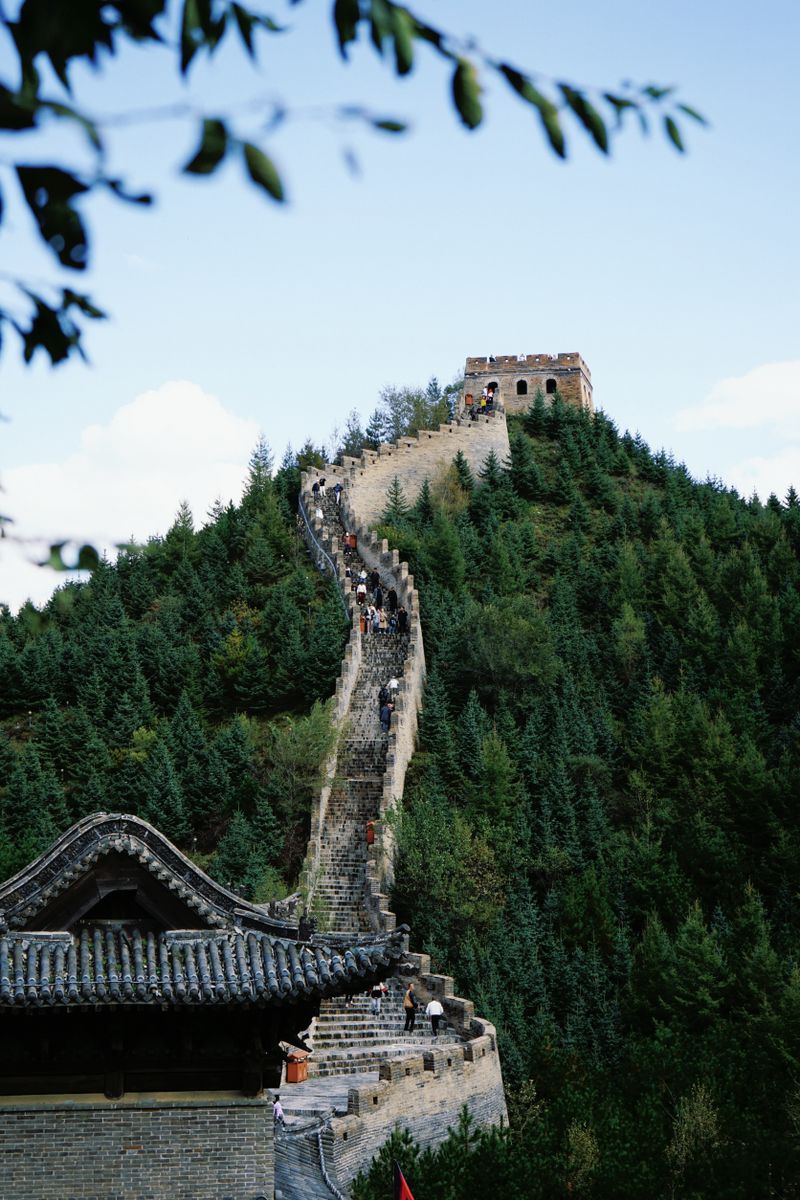
Built during the Ming Dynasty in the 14th century, the wall stretches 13.7 kilometers in a near-perfect rectangle around the old city center. It stands 12 meters tall and is wide enough on top to comfortably fit two lanes of bicycle traffic plus pedestrians.
Cycling the full loop
Renting a bicycle on top of the wall and riding the entire perimeter is the quintessential Xi’an experience. The loop takes 1.5 to 2 hours at a relaxed pace with stops for photos.
Bike rental info:
- Single bike: 45 yuan for 2 hours (100 yuan deposit, refunded when you return the bike)
- Tandem bike: 90 yuan for 2 hours
- You can rent from any of several stations on the wall. The South Gate (Yongningmen) is the most popular starting point because it is the most accessible and grandest of the gates.
- Return your bike at any rental station — it does not have to be where you started.
Best time to go
Late afternoon into sunset is magical. The light turns golden over the rooftops, and as darkness falls the wall and its watchtowers light up beautifully. Starting at around 4:00 or 5:00 PM gives you daylight for the ride and sunset views near the end.
Night views
If cycling is not your thing (or even if it is), walking a section of the wall at night is spectacular. The wall is illuminated with warm lantern-style lighting, and looking out over the glowing city from both sides — the ancient core inside, the modern skyline outside — is one of the best visual experiences in Xi’an. The wall stays open until 10:00 PM (April-October) or 8:00 PM (November-March).
Ticket price: 54 yuan. The main entrances are at the South Gate (Yongningmen), North Gate (Anyuanmen), West Gate (Anding), and East Gate (Changle). South Gate is the most popular and best connected by metro (Yongningmen station, Line 2).
Muslim Quarter and Huimin Jie
The Muslim Quarter (Huimin Jie) is Xi’an’s most famous food street and one of the top food destinations in China, period. Located just northwest of the Drum Tower in the heart of the old city, this dense maze of narrow lanes and open-air food stalls has been feeding the city for centuries.
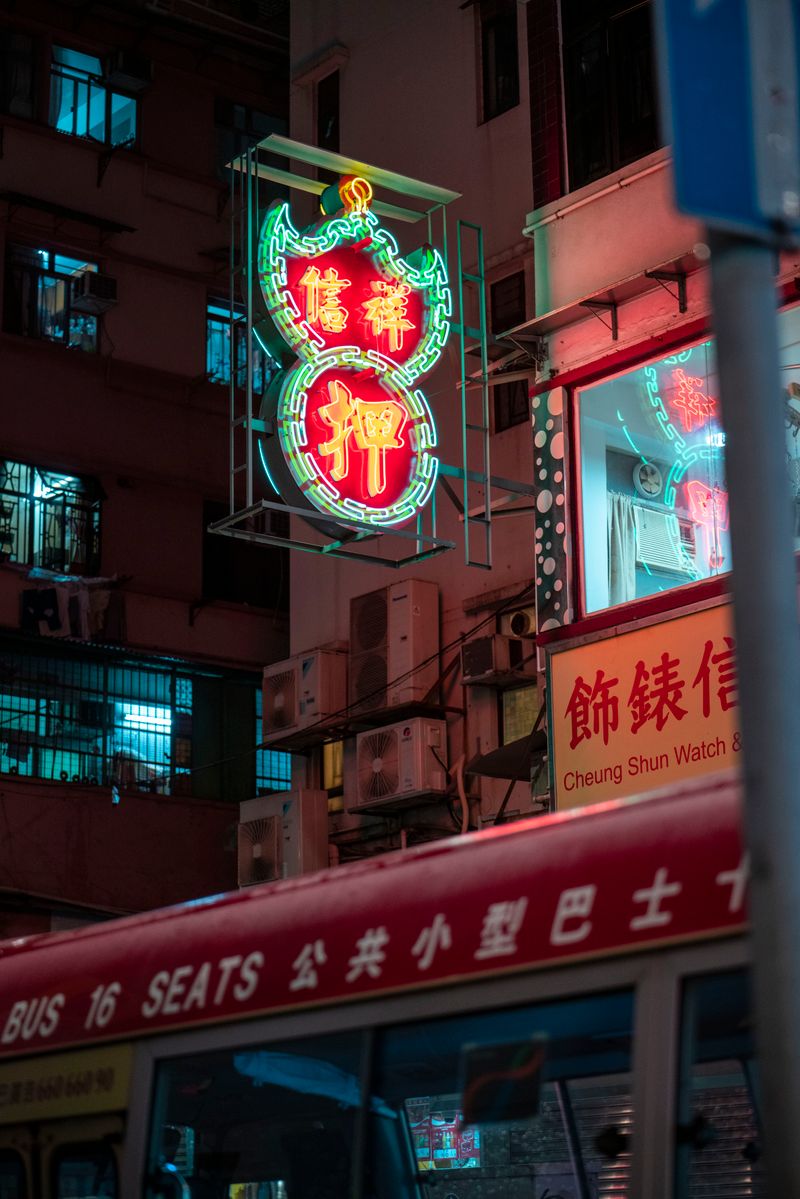
The Hui people — Chinese Muslims descended from Silk Road-era Arab, Persian, and Central Asian traders — have lived in this neighborhood for over a thousand years. Their cuisine is a unique fusion: Chinese cooking techniques and ingredients blended with halal traditions and Central Asian flavors. Lamb, cumin, wheat noodles, and flatbread dominate the menus. No pork anywhere.
What to eat
Bring an empty stomach. Here are the absolute essentials:
Roujiamo (肉夹馍) — The “Chinese hamburger” Slow-braised, spiced beef or lamb chopped fine and stuffed into a crispy, flaky flatbread bun called a “mo.” The meat is tender and intensely savory, the bread is warm and slightly crunchy. This is Xi’an’s signature street food and one of the best handheld foods on the planet. 8-15 yuan. For the full experience, read our street food guide which covers this and 19 other must-try dishes.
Yangrou Paomo (羊肉泡馍) — Lamb soup with hand-torn bread This is Xi’an’s most beloved comfort dish. You are given a bowl and two rounds of unleavened flatbread. You tear the bread into tiny pieces by hand (the smaller the better — locals will judge you), then hand the bowl to the kitchen. They add rich lamb broth, tender lamb pieces, glass noodles, and scallions, and the bread soaks up all the flavor. It is hearty, warming, and deeply satisfying. 25-45 yuan. Lao Sun Jia (老孙家) on the main strip is the most famous spot for this dish, operating since 1898.
Biangbiang Noodles (biangbiang面) Wide, thick, belt-like hand-pulled noodles — often as wide as your hand — served with chili oil, garlic, vinegar, and vegetables. The name comes from the sound the dough makes when it is slapped against the counter during preparation. The character for “biang” is so complex it is not even in the standard Chinese dictionary — it has over 50 strokes. The noodles are chewy, substantial, and drenched in a savory chili-vinegar sauce that is addictive. 12-25 yuan.
Shizi Bing (柿子饼) — Persimmon cakes Flattened, pan-fried cakes made from ripe persimmon pulp and flour, usually filled with sweet walnut, sesame, or red bean paste. Crispy on the outside, soft and sweet on the inside. Cheap and irresistible, especially in autumn when persimmons are in season. 5-10 yuan for a few pieces.
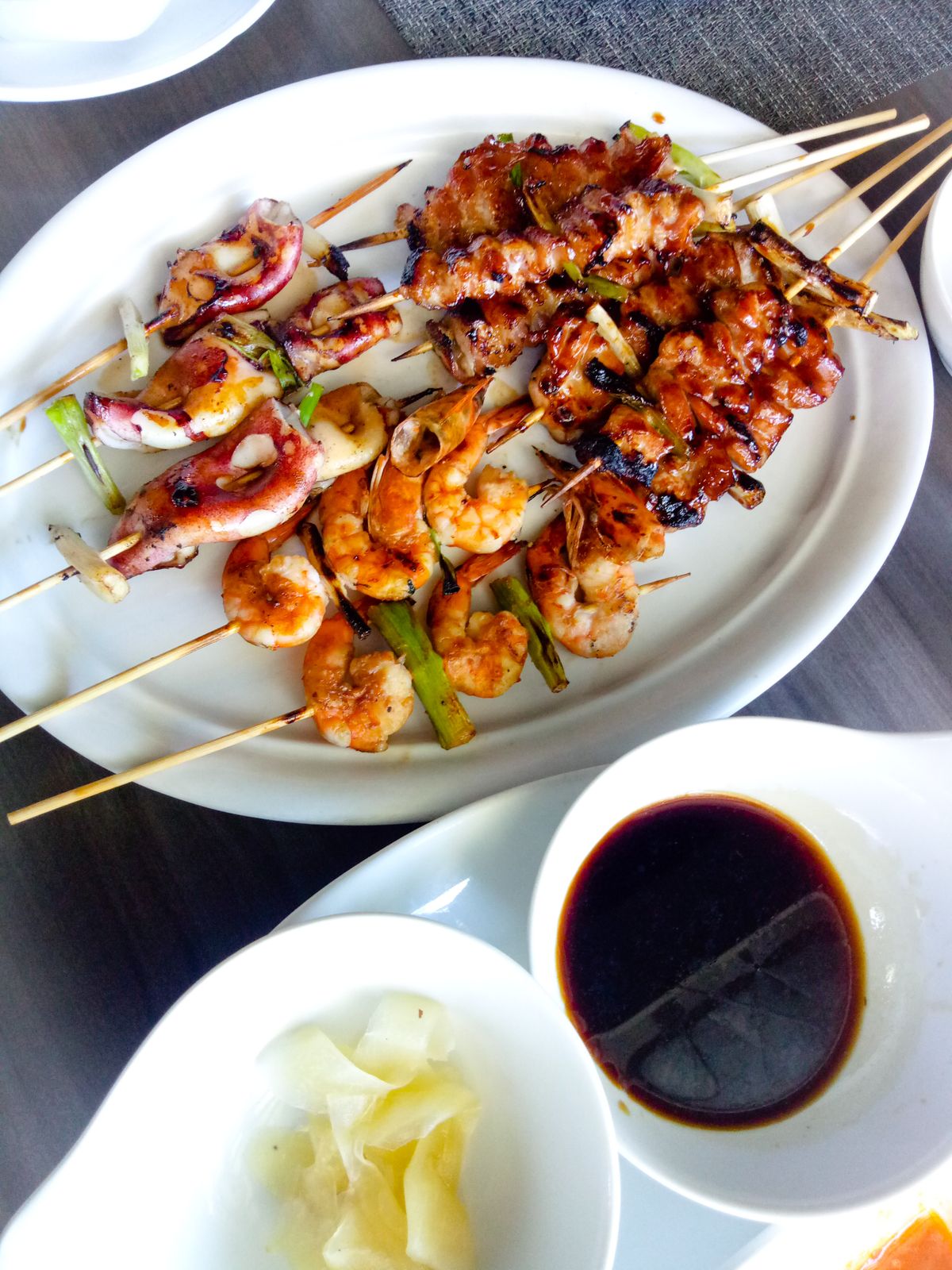
Other dishes to try: Liangpi (cold skin noodles with chili oil and sesame, 8-15 yuan), lamb skewers dusted with cumin and chili (3-8 yuan each), pomegranate juice freshly squeezed while you watch (10-15 yuan), and huasheng gao (peanut brittle, sold by weight).
The Great Mosque
Hidden inside the Muslim Quarter — and easy to miss if you are not looking — is the Great Mosque of Xi’an (Huajue Xiang Mosque). Founded in 742 AD during the Tang Dynasty, it is one of the largest and oldest mosques in China, and its architecture is fascinating: traditional Chinese garden-style courtyards and pavilions rather than the domes and minarets you might expect. It is an active place of worship, so dress respectfully and be mindful during prayer times. Admission: 25 yuan. Allow 30-45 minutes for a visit.
Tips for Huimin Jie
- Go in the evening. The street comes alive after dark with steam, smoke, sizzle, and neon. The atmosphere between 6:00 PM and 10:00 PM is electric.
- The main drag gets packed. Wander off the central street into the smaller side alleys for less crowded stalls and often better food at lower prices.
- Weekends and holidays are chaotic. If you can visit on a weekday evening, you will have a much better experience.
- Bring tissues and wet wipes. You are going to eat messy food with your hands.
Other Attractions
Xi’an has far more than warriors and noodles. Here are the other highlights worth your time:
Big Wild Goose Pagoda (Dayan Ta)
This seven-story Tang Dynasty pagoda, built in 652 AD, was originally constructed to house Buddhist scriptures brought back from India by the monk Xuanzang — the real-life inspiration for the classic novel Journey to the West. The surrounding area has been redeveloped into a large public square with the biggest musical fountain show in Asia. The fountain performance (free, evenings at 8:30 PM on most days, check locally) is a massive synchronized water-and-light show set to music. It draws huge crowds and is genuinely impressive. Climbing the pagoda itself gives you a nice view over the south of the city. Admission: 40 yuan (pagoda entry extra: 30 yuan to climb).
Shaanxi History Museum
One of the best museums in China, covering the history of Shaanxi province from prehistoric times through the Tang Dynasty. The collection includes gold and silver Tang Dynasty treasures, ancient jade artifacts, murals from imperial tombs, and much more. It provides essential context for everything else you see in Xi’an. Free admission (passport required, limited tickets per day — arrive by 8:30 AM or book online in advance). The special exhibition hall costs 30 yuan and is worth it for the Tang Dynasty murals alone. Allow 2-3 hours.
Bell Tower and Drum Tower
These two iconic Ming Dynasty towers sit at the geographic center of the old city, just a few hundred meters apart. The Bell Tower stands at the intersection of Xi’an’s four main streets; the Drum Tower marks the entrance to the Muslim Quarter. You can enter both for a combined ticket of 50 yuan. The views from the top are nice, but honestly the towers are most impressive from the outside, especially at night when they are lit up. If you are short on time, admire them from ground level and save the entrance fee for something else.
Tang Paradise (Datang Furong Yuan)
A large theme park and garden complex recreating the grandeur of Tang Dynasty Chang’an, built around a lake south of the Big Wild Goose Pagoda. It is especially popular at night when the entire park is illuminated and there are cultural performances, light shows, and people dressed in Tang Dynasty costumes. It leans more toward entertainment than education. If you enjoy immersive, beautifully designed parks and want to experience what modern China does with its historical themes, it is worth an evening visit. Admission: 120 yuan. Allow 2-3 hours.
Xi’an Food Guide
Xi’an’s food scene extends far beyond the Muslim Quarter. The city is the undisputed food capital of northwest China, and its cuisine — broadly called Shaanxi cuisine or Qin cuisine — is built on wheat, lamb, vinegar, and chili. It is hearty, unpretentious, and intensely flavored.

Must-try dishes beyond the Muslim Quarter
Liangpi (凉皮) — Cold skin noodles. Chewy, translucent starch noodles served cold with sesame paste, vinegar, chili oil, cucumber, and bean sprouts. Refreshing, tangy, and a perfect lunch on a hot day. Sold at countless small shops across the city. 8-15 yuan.
Hulatang (胡辣汤) — Spicy pepper soup. Xi’an’s quintessential breakfast. A thick, peppery broth loaded with beef or lamb, vegetables, tofu, and glass noodles. Hearty, warming, and enough to fuel a full morning of sightseeing. Look for busy breakfast stalls where locals are standing and slurping from bowls. 8-12 yuan.
Zenggao (甑糕) — Steamed glutinous rice cake. A sweet breakfast or snack made from sticky rice, red dates, and red beans, steamed together in a traditional clay pot until everything is soft and caramelized. Rich, sweet, and filling. 5-10 yuan.
Suantang Shuijiao (酸汤水饺) — Sour soup dumplings. Plump dumplings filled with pork and vegetables, served in a tangy, chili-laced broth. A satisfying one-bowl meal. 15-25 yuan.
Guokui (锅盔) — Large baked flatbread. A thick, crispy disc of baked bread, sometimes stuffed with spiced meat or vegetables. It was originally military rations, designed to last for days. Today it is street food perfection — crunchy outside, dense and satisfying inside. 5-15 yuan.
Price expectations
Eating in Xi’an is remarkably affordable, even by Chinese standards. A full meal at a local restaurant rarely exceeds 30-50 yuan per person. Street food snacking through the Muslim Quarter — sampling four or five items — might cost 40-60 yuan and leave you completely stuffed. Even a sit-down dinner at a well-known restaurant with drinks will usually stay under 100 yuan per person.
Getting Around Xi’an
Xi’an is easy to navigate. The city is laid out in a grid pattern centered on the Bell Tower, with the ancient city wall providing a clear boundary between the old city core and the sprawling modern districts beyond.
Metro
Xi’an’s metro system is clean, modern, and covers all the major tourist areas. Line 2 runs north-south through the city center and connects the Railway Station to the South Gate and beyond. Line 1 runs east-west. As of 2025, the network has 8 lines.
Fares are 2-9 yuan depending on distance. You can pay by tapping your Alipay or WeChat Pay QR code at the turnstile — no separate transit card needed. The metro runs from about 6:00 AM to 11:00 PM.
Buses
Cheap (1-2 yuan) and extensive, but slow in traffic and harder to navigate without Chinese language skills. The metro is a better option for tourists in most cases.
Didi
Didi is the Chinese ride-hailing app (similar to Uber) and works brilliantly in Xi’an. A ride across the city center typically costs 15-30 yuan. It is the easiest option for getting places the metro does not reach or for late-night returns to your hotel.
Airport to city center
Xi’an Xianyang International Airport (XIY) is about 30 km northwest of the city center.
- Airport Express bus: Multiple routes to different parts of the city. The most useful is the line to Xi’an Railway Station / Bell Tower area, taking about 60-90 minutes. 25 yuan.
- Didi/taxi: About 45-70 minutes, costing 100-150 yuan depending on traffic and time of day.
- Metro Line 14 connects to the airport — this is the cheapest option at around 7-16 yuan, but involves a transfer and takes about 60-80 minutes to the city center.
Day trip logistics
For the Terracotta Warriors, the tourist bus 306 from the Railway Station is the easiest public transport option (see the Warriors section above). For Huashan, you will need a high-speed train from Xi’an North Station to Huashan North Station, which takes just 30 minutes and costs about 55 yuan for a second-class seat. Book your tickets in advance on Trip.com — see our train tickets guide for a step-by-step walkthrough.
Best Areas to Stay
Where you stay in Xi’an significantly affects your experience. Here are the main options:
Inside the city wall (recommended for most visitors)
This is where the action is. The area within the ancient wall contains the Bell Tower, Drum Tower, Muslim Quarter, and the densest concentration of restaurants, shops, and nightlife. Staying here means you can walk to the major central attractions and stumble out of your hotel into the Muslim Quarter for a midnight snack.
Near the Bell Tower is the sweet spot. You are equidistant from the Muslim Quarter, South Gate, and multiple metro stations. Hotel options range from international chains (Sofitel, Grand Hyatt) to excellent Chinese mid-range brands.
- Budget: Hanting or 7 Days Inn near the Bell Tower, 150-250 yuan/night
- Mid-range: Atour Hotel or Ji Hotel near Bell Tower/South Gate, 300-550 yuan/night
- Luxury: Sofitel Xi’an or Grand Hyatt Xi’an, 800-1,800 yuan/night
Outside the city wall
The areas immediately outside the wall, especially to the south near the Big Wild Goose Pagoda, are modern and well-connected by metro. Hotels here tend to be newer and sometimes cheaper. This is a solid choice if you prioritize modern amenities over walkable old-city atmosphere.
Near the Railway Station
The area around Xi’an Railway Station (north side of the wall) is convenient if you are catching early morning buses to the Terracotta Warriors, but the neighborhood itself is less appealing — noisier, more chaotic, and not as pleasant for evening strolls. The area around Xi’an North Station (the high-speed rail hub) is far from the city center and not recommended for sightseeing-focused stays.
Booking tip: Always book through Trip.com or Booking.com and confirm the hotel accepts foreign guests. Budget Chinese hotels sometimes do not have the registration to accept foreign passports, and you will be turned away at check-in.
Day Trips from Xi’an
Huashan — One of China’s Five Sacred Mountains
Huashan is one of the most spectacular and thrilling mountain experiences in China, famous for its sheer granite peaks, narrow ridge trails, and the legendary Plank Walk — a narrow wooden path bolted to a vertical cliff face. It is located about 120 km east of Xi’an, and a day trip is entirely doable if you start early.
Getting there: Take the high-speed train from Xi’an North Station to Huashan North Station (30 minutes, about 55 yuan second class). From Huashan North Station, a free shuttle bus or a short taxi ride (15 yuan) takes you to the mountain’s visitor center.
The ascent options:
- West Peak cable car (recommended for day-trippers): A dramatic gondola ride straight up the west face of the mountain. The views are jaw-dropping. From the upper station, you can hike between peaks. Round-trip cable car: 280 yuan (plus entrance ticket: 160 yuan, and shuttle bus: 40 yuan round trip).
- North Peak cable car: Shorter ride, lower altitude. Good option if you want to combine the cable car up with some hiking.
- Hiking from the base: The classic route, but it takes 4-6 hours just to reach the North Peak. Only attempt this if you are fit, have a full day, and ideally are staying overnight on the mountain.
The Plank Walk (Changkong Zhandao): The famous cliffside plank walk is near the South Peak. You are clipped into a safety harness and shuffle along narrow wooden planks bolted to a sheer rock face hundreds of meters above the valley floor. It costs an extra 30 yuan for the harness rental. This is optional and not for the faint of heart, but it is an unforgettable experience if you can handle heights.
Day trip schedule: Catch an early train (7:00-8:00 AM departure), take the West Peak cable car up, hike between the peaks for 3-4 hours, descend via the North Peak cable car (or return the same way), and catch an evening train back to Xi’an. You will be tired but exhilarated.
Famen Temple
Located about 120 km west of Xi’an, Famen Temple is one of China’s most significant Buddhist sites, famous for housing a relic of the Buddha’s finger bone. The temple dates back to the Eastern Han Dynasty (around 200 AD) and was an important pilgrimage site during the Tang Dynasty. The modern complex includes a massive new hall and a museum displaying Tang Dynasty gold and silver treasures discovered in the temple’s underground palace in 1987.
Getting there: Tour buses depart from Xi’an’s west bus station, taking about 2 hours. Alternatively, organize a private car or Didi for the day (expect to pay around 500-600 yuan round trip including waiting time). Admission: 100 yuan. Allow half a day for the visit.
Practical Tips
Best months to visit
April-May and September-October are the ideal windows. Temperatures are comfortable (15-25 degrees Celsius), skies are often clear, and the crowds are manageable outside of the October National Day holiday (October 1-7, avoid if possible).
Summer (June-August) is hot and humid, with temperatures regularly hitting 35-40 degrees Celsius. Sightseeing outdoors — especially walking the city wall or hiking Huashan — becomes grueling in the midday heat. If you do visit in summer, schedule outdoor activities for early morning or late afternoon.
Winter (December-February) is cold and dry, with temperatures hovering around 0 degrees Celsius and occasional light snow. The upside: significantly fewer tourists, especially at the Terracotta Warriors. The city wall at night in winter, dusted with snow, is hauntingly beautiful.
Dust storms in spring
Xi’an occasionally experiences dust storms in March and April, when winds carry fine yellow dust from the deserts of northwest China. They are not dangerous, but they reduce visibility and make outdoor activities unpleasant. If you see a dust advisory during your visit, plan indoor activities (museum, indoor markets) for that day. Carrying a face mask in spring is not a bad idea.
Dry climate
Xi’an is drier than the coastal cities of eastern China. Bring lip balm and moisturizer, and drink more water than you think you need. This is especially true in winter, when indoor heating makes the air even drier.
Altitude at Huashan
Huashan’s highest peak (South Peak) reaches 2,155 meters. This is not high enough to cause serious altitude sickness for most people, but if you are sensitive to altitude or have respiratory conditions, take it easy on the ascent. The more relevant concern is the physical exertion — the hiking involves steep stairs and occasional scrambling. Bring water, wear proper shoes with grip, and pace yourself.
Internet and connectivity
China blocks Google, WhatsApp, Instagram, and most Western apps. You need an eSIM to access your usual apps and stay connected. Set it up before you fly.
Payments
Almost everything in Xi’an is paid by mobile QR code — Alipay or WeChat Pay. Very few places accept foreign credit cards, and even cash can be refused at some vendors. Set up your payment apps before arrival. Our payment guide walks you through the entire process step by step.
Useful phrases for Xi’an
| English | Chinese | Pinyin |
|---|---|---|
| Terracotta Warriors | 兵马俑 | bīng mǎ yǒng |
| City Wall | 城墙 | chéng qiáng |
| Muslim Quarter | 回民街 | huí mín jiē |
| How much? | 多少钱? | duō shao qián? |
| Not spicy | 不要辣 | bú yào là |
| Delicious! | 好吃! | hǎo chī! |
| Bell Tower | 钟楼 | zhōng lóu |
Suggested Itineraries
2-Day Itinerary: The Highlights
Day 1 — Terracotta Warriors + City Wall
- 7:30 AM: Catch tourist bus 306 from the Railway Station east square to the Terracotta Warriors
- 9:00 AM - 12:00 PM: Explore all three pits and the Bronze Chariots exhibition
- 12:30 PM: Bus back to the city center, lunch at a local noodle shop (try biangbiang noodles or liangpi)
- 3:00 PM: Rent a bicycle at the South Gate and cycle the full city wall loop
- 5:00 PM: Finish the loop around sunset, descend from the wall
- 6:30 PM: Walk to the Muslim Quarter for dinner — roujiamo, yangrou paomo, lamb skewers, and persimmon cakes
- 8:30 PM: Wander the side alleys of the Muslim Quarter, then walk past the illuminated Drum Tower and Bell Tower
Day 2 — Culture + Food
- 8:30 AM: Shaanxi History Museum (arrive early for free tickets or book online)
- 11:30 AM: Walk to the Big Wild Goose Pagoda, explore the surrounding square
- 12:30 PM: Lunch near the pagoda — try hulatang (pepper soup) or suantang shuijiao (sour soup dumplings)
- 2:00 PM: Visit the Great Mosque in the Muslim Quarter
- 3:00 PM: Explore the small streets and shops around the mosque
- 4:00 PM: Visit the Bell Tower and Drum Tower (exterior views or climb one)
- 6:00 PM: Final evening food crawl through the Muslim Quarter — try everything you missed on Day 1
- 8:30 PM: Watch the fountain show at the Big Wild Goose Pagoda North Square (check schedule locally)
4-Day Itinerary: Xi’an + Huashan
Day 1 — Same as Day 1 above (Terracotta Warriors + City Wall)
Day 2 — Same as Day 2 above (Culture + Food)
Day 3 — Huashan Mountain
- 6:30 AM: Take an early high-speed train from Xi’an North Station to Huashan North Station (30 min)
- 7:30 AM: Shuttle to the visitor center, buy tickets and take the West Peak cable car up
- 8:30 AM - 2:00 PM: Hike between the peaks — West Peak, South Peak (highest point, 2,155m), East Peak (best sunrise spot, though you will not be here for sunrise on a day trip), and North Peak. Attempt the Plank Walk near the South Peak if you are feeling brave.
- 2:30 PM: Descend via North Peak cable car
- 3:30 PM: Shuttle back to Huashan North Station
- 4:00 PM: Train back to Xi’an (30 min)
- 6:00 PM: Recovery dinner — a big bowl of yangrou paomo in the Muslim Quarter
Day 4 — Deeper Exploration
- Morning: Tang Paradise or revisit a favorite spot from earlier in the trip
- Afternoon: Explore the Shuyuanmen Ancient Cultural Street (calligraphy, art, antiques) near the South Gate, or visit the Xi’an Museum (free, near the Small Wild Goose Pagoda)
- Evening: One last food crawl. Try the dishes you have not checked off yet. Stock up on local snacks for the road.
- Night: If you are taking a high-speed train to your next destination, Xi’an North Station connects you to Beijing (4.5 hours), Shanghai (6 hours), Chengdu (3.5 hours), and dozens of other cities. Book your train tickets in advance.
Xi’an is one of those cities that sneaks up on you. You come for the Terracotta Warriors — everyone does — and you leave thinking about the food. The crunch of a roujiamo at midnight, the warmth of a bowl of paomo on a cold evening, the absurd width of a biangbiang noodle slapped down on your table. You think about the feeling of cycling along a 600-year-old wall at sunset with the city glowing on both sides. And you start planning when you can come back.
It is that kind of place. Go see it for yourself.
Have questions about visiting Xi’an? Make sure you have read our eSIM guide and payment guide before you fly — these two things trip up more first-time visitors than anything else.
Frequently Asked Questions
How long does it take to see the Terracotta Warriors?
Allow 3-4 hours for the Terracotta Warriors museum. The site has three excavation pits plus a museum. Hiring a guide (¥200-300) is highly recommended to understand the historical context.
What food is Xi'an famous for?
Xi'an is famous for its Muslim Quarter street food: yangrou paomo (lamb soup with bread), roujiamo (Chinese hamburger), biang biang noodles, and persimmon cakes. The Muslim Quarter is a must-visit food street.