Zhangjiajie Travel Guide 2026: Avatar Mountains, Glass Bridge & Tianmen Mountain
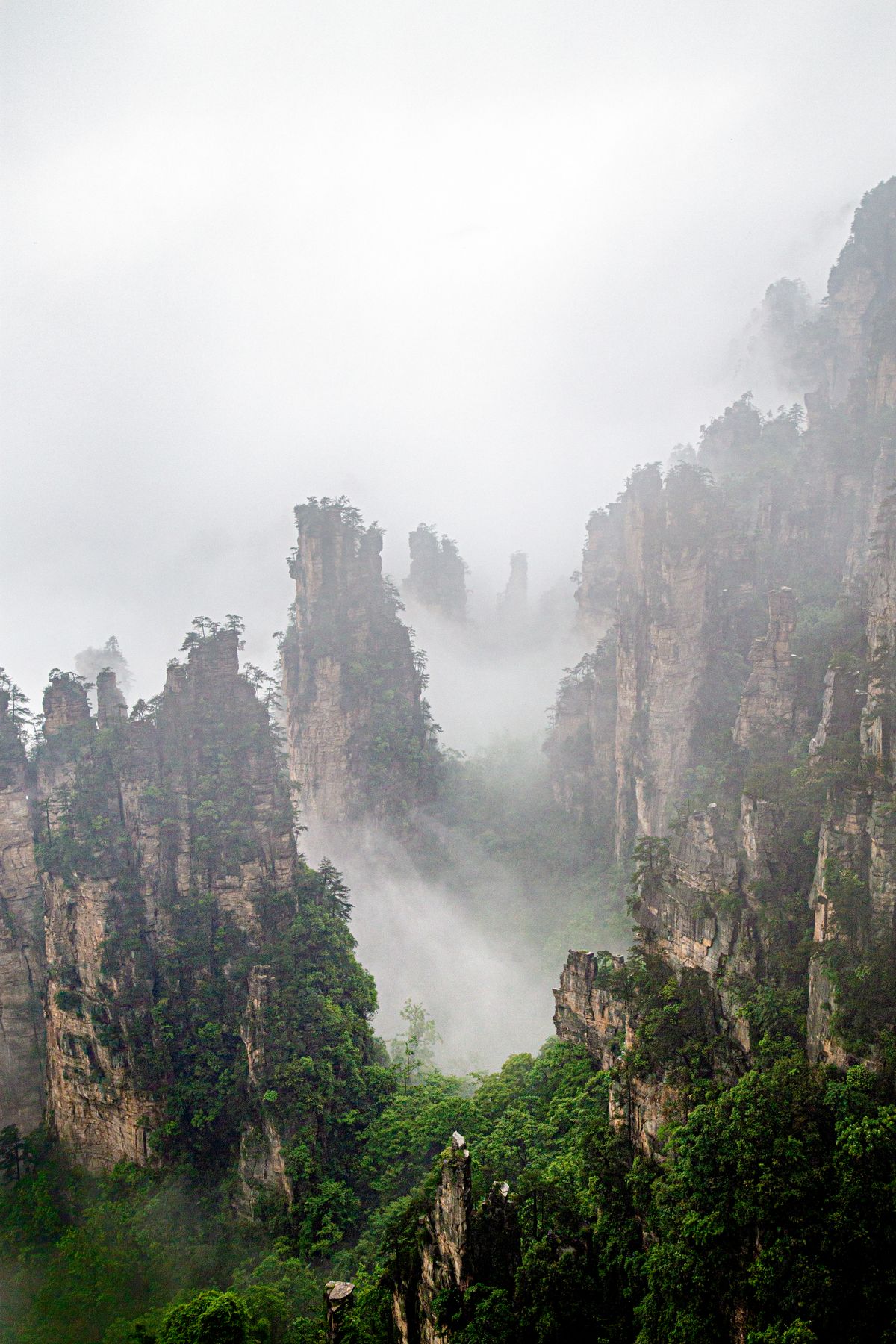
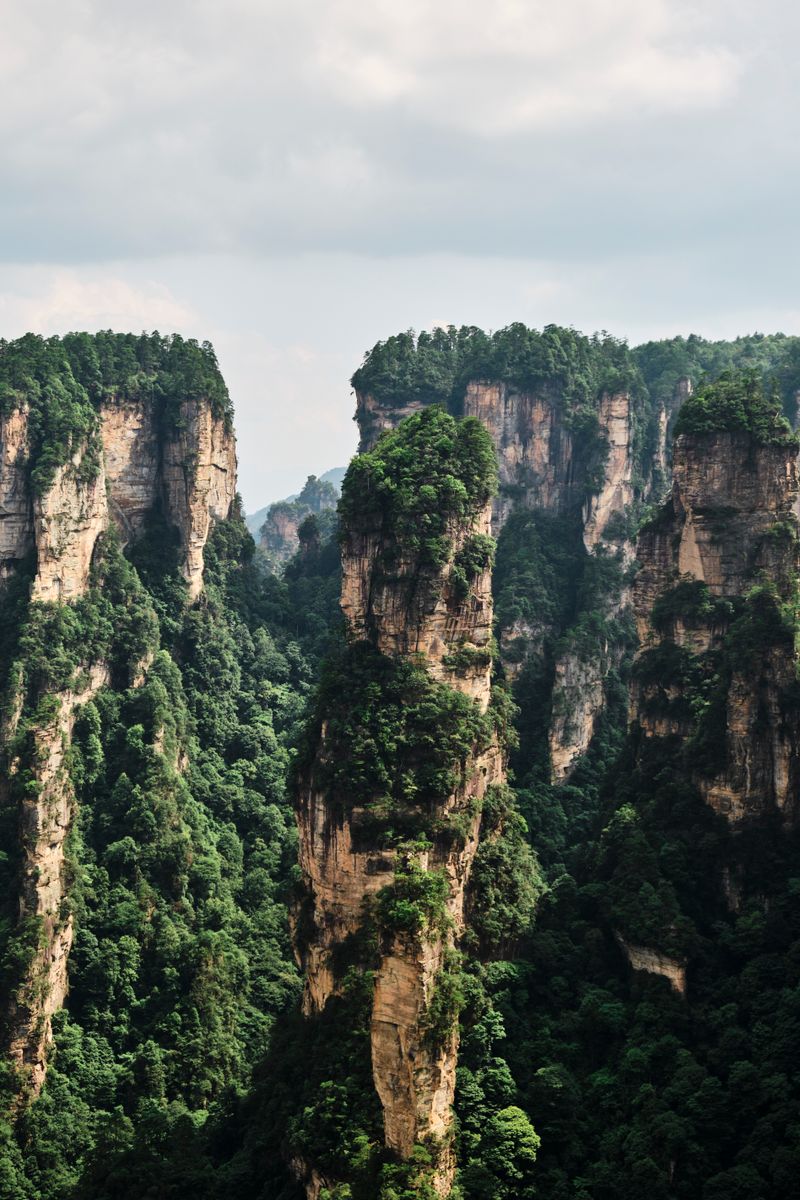
When James Cameron’s Avatar hit theaters in 2009, audiences around the world stared at the floating Hallelujah Mountains and assumed they were pure CGI fantasy. They were not — at least not entirely. Cameron’s team drew direct inspiration from the sandstone pillar mountains of Zhangjiajie in China’s Hunan province. Thousands of narrow quartzite columns, some over 200 meters tall, rise straight out of subtropical forest and disappear into swirling clouds. It is one of those places where reality genuinely looks like science fiction, and no amount of scrolling through Instagram photos can prepare you for standing among them.
This guide covers everything you need to plan your trip: the national forest park, Tianmen Mountain, the Grand Canyon Glass Bridge, where to eat Tujia ethnic cuisine, and all the practical logistics that first-time visitors to China need to know.
Why Visit Zhangjiajie
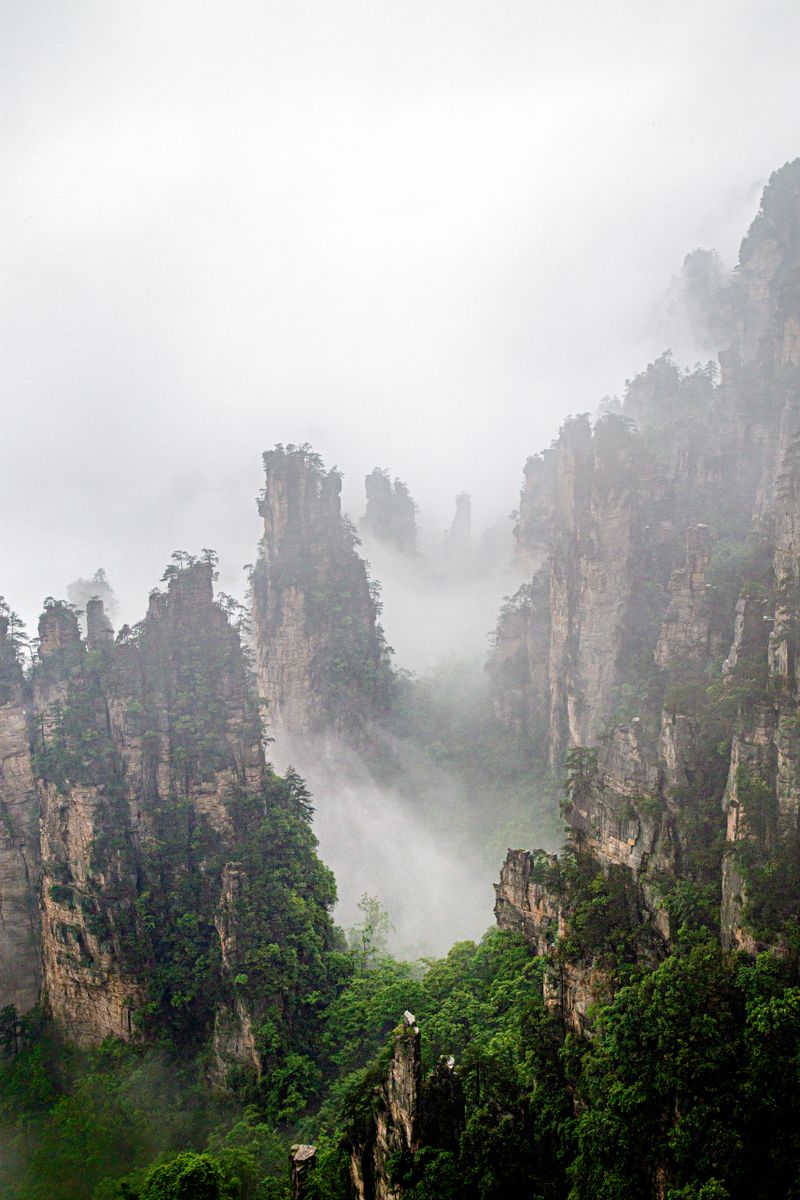
Zhangjiajie sits in the northwest corner of Hunan province, about 330 kilometers from the provincial capital Changsha. The city itself is a small, unremarkable Chinese city — the reason to come is the landscape. Over 300 million years of geological uplift, tectonic activity, and relentless erosion carved a vast sandstone plateau into more than 3,000 individual pillar mountains, many of them impossibly thin and tall, draped in greenery and wreathed in mist. The result earned UNESCO World Heritage status in 1992 — the first site in China to receive the Global Geopark designation.
What makes Zhangjiajie special:
- Geology found nowhere else. These quartz-sandstone pillars are unique on Earth at this scale. The landscape genuinely does not look like anywhere else.
- The Avatar connection. One pillar was officially renamed “Avatar Hallelujah Mountain” in 2010. Whether that excites or annoys you, the scenery behind the hype is the real deal.
- Vertical drama. Between glass skywalks, the world’s longest glass-bottom bridge, a 326-meter outdoor elevator bolted to a cliff face, and a cable car ride through the clouds, Zhangjiajie delivers adrenaline alongside beauty.
- Tujia ethnic culture. The region is home to the Tujia minority, whose cuisine, architecture, and traditions add cultural depth to what could otherwise be a purely scenic trip.
Zhangjiajie National Forest Park
This is the main event — a 480-square-kilometer park containing the bulk of the pillar mountains, deep valleys, and forested hiking trails. Most visitors spend two to three full days here, and that is the right amount. Trying to do it in one day means missing most of it.
The park is divided into several scenic areas, connected by shuttle buses, cable cars, and the famous Bailong Elevator.
Yuanjiajie Scenic Area
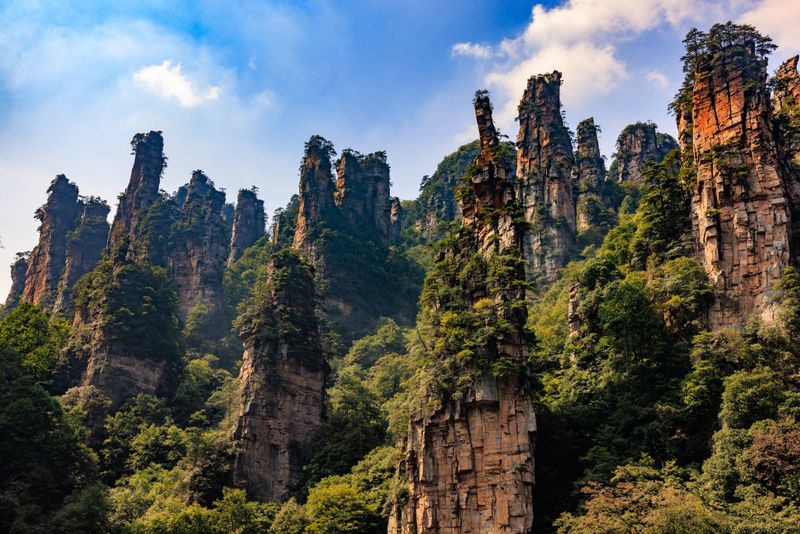
This is the crown jewel. Yuanjiajie sits on the upper plateau and offers the most iconic views of the sandstone pillars — including the Avatar Hallelujah Mountain (formerly known as the Southern Sky Column). The “First Bridge Under Heaven,” a natural stone arch connecting two pillars with a 350-meter drop beneath it, is here too.
- How to get there: Take the Bailong Elevator up from the valley floor (2 minutes, CNY 65 one way) or ride the Yangjiajie cable car.
- Walking time: Allow 2-3 hours to walk the main loop trail along the cliff tops.
- Tip: Arrive early in the morning. By 10:00 AM, tour groups flood the viewing platforms and you will be shoulder-to-shoulder at the best viewpoints. Before 8:30 AM, you may have them nearly to yourself.
Bailong Elevator
The Bailong Elevator (Hundred Dragons Elevator) is a 326-meter glass elevator built into the side of a sandstone cliff — the tallest outdoor elevator in the world. The ride takes about two minutes and lifts you from the valley floor to the Yuanjiajie plateau. It is both a transport link and an attraction in its own right.
- Price: CNY 65 one way.
- Queue warning: During peak season (May-October, especially national holidays), wait times can exceed two hours. Go early or late in the day.
Golden Whip Stream
If the upper plateau is about dramatic panoramas, Golden Whip Stream is about peaceful immersion. This 7.5-kilometer trail follows a clear stream along the valley floor, winding between towering pillar mountains, dense forest, and mossy boulders. Monkeys are common — they are bold and will grab food from your hands, so keep snacks sealed.
- Walking time: About 2.5 to 3 hours one way at a relaxed pace.
- Difficulty: Easy and flat — suitable for all fitness levels.
- Best for: A quiet morning walk when the light filters through the canyon. This trail sees fewer crowds than the upper viewpoints.
Tianzi Mountain
The northern section of the park, offering wide panoramic views of pillar formations stretching to the horizon. The Imperial Brush Peak cluster — a group of slender pillars resembling Chinese calligraphy brushes — is the signature view.
- Access: Cable car from the valley floor (CNY 76 one way) or hiking trails.
- Walking time: 1-2 hours for the main viewpoints along the rim.
Suggested 2-3 Day Park Itinerary
Day 1: Enter via the Forest Park entrance. Walk Golden Whip Stream in the morning (3 hours). Take the Bailong Elevator up to Yuanjiajie. Walk the Yuanjiajie loop, see the Avatar Hallelujah Mountain and First Bridge Under Heaven. Exit via shuttle bus.
Day 2: Start at Tianzi Mountain (cable car up or hike). Walk the viewpoints along the rim. In the afternoon, explore Yangjiajie — a less-visited area with equally dramatic pillar scenery and far fewer crowds. Descend by cable car or hike down.
Day 3 (optional but recommended): Revisit Yuanjiajie at dawn for misty sunrise views. Explore any trails you missed. Walk Ten-Mile Gallery, a narrow valley with pillar formations on both sides (a small open-air train runs along it for CNY 52 round trip if your legs are tired).
- Park entry ticket: CNY 225 (valid for 4 days, includes all shuttle buses within the park).
- Important: Book tickets in advance during peak season through the official WeChat mini-program or Trip.com. Walk-up tickets may sell out by mid-morning on busy days.
Tianmen Mountain
Tianmen Mountain is a separate attraction from the national forest park, located right next to the city center. If the national forest park is about pillar mountains seen from above, Tianmen Mountain is about standing on the edge of a single massive peak and looking down at the world.
The Cable Car
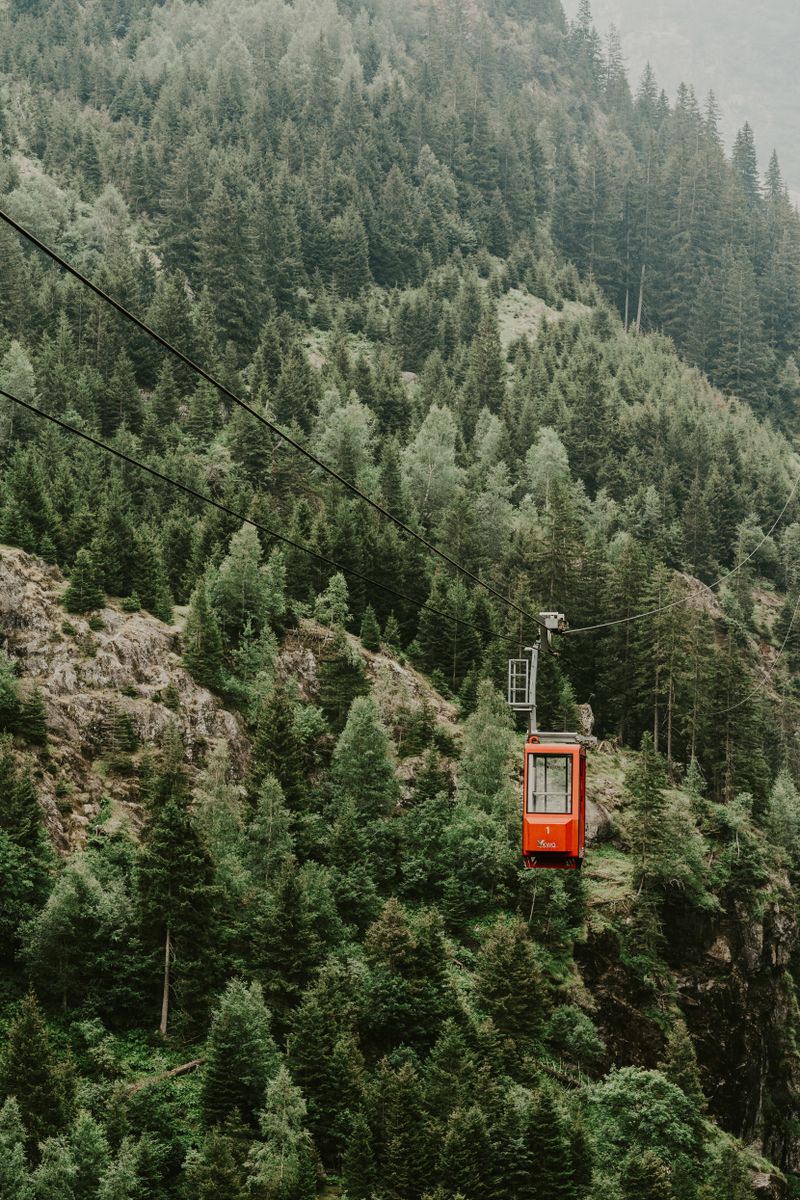
The Tianmen Mountain cable car is one of the longest in the world — 7,455 meters covering a 1,279-meter elevation change over about 28 minutes. It departs from a station in the city center and carries you directly to the mountaintop. The views during the ascent are staggering. This alone is worth the trip.
Glass Skywalk
At the top, a 60-meter glass-bottomed walkway is bolted to the cliff face at 1,430 meters above sea level. You walk along transparent glass panels with a sheer drop beneath your feet. Shoe covers are required (provided) to protect the glass. It is thrilling if heights excite you, and terrifying if they do not.
- Extra fee: CNY 5 for shoe covers.
Tianmen Cave (Heaven’s Gate)
A massive natural arch — 131 meters tall, 57 meters wide — punched through the mountain near its summit. To reach it, you descend (or climb) the famous 999 steps, a steep staircase that drops from the mountaintop plaza to the cave mouth. The number 999 represents “heaven” in Chinese numerology. It is a serious leg workout in either direction.
Tongtian Avenue
The road leading up to Tianmen Cave from the base is known as Tongtian Avenue (Avenue Toward Heaven) — an 11-kilometer mountain road with 99 hairpin turns carved into the cliff face. You ride this road by shuttle bus from the lower cable car station, and the switchbacks are genuinely jaw-dropping.
- Tianmen Mountain ticket: CNY 278 (includes cable car, shuttle bus, and mountain access).
- Hours: Open 8:00 AM - 6:00 PM. Plan for 4-5 hours total.
- Booking: Reserve tickets at least one day ahead. Time slots are assigned. Peak season tickets sell out fast.
Grand Canyon Glass Bridge
About 40 minutes east of Wulingyuan, the Zhangjiajie Grand Canyon Glass Bridge spans 430 meters across a deep canyon at a height of 300 meters — it held the record as the world’s longest and highest glass-bottom bridge when it opened. Walking across it with the canyon yawning beneath your feet is an experience that photographs do not fully convey.
- Ticket: CNY 138 for the glass bridge alone, or CNY 219 for a combo ticket including the Grand Canyon scenic area below (boat ride, waterfalls, zip line).
- Time needed: About 1-2 hours for the bridge, or half a day with the canyon.
- Tip: Visit in the afternoon when morning crowds thin out. Bags and selfie sticks are not allowed on the bridge — free lockers are provided at the entrance.
Hiking Routes and Difficulty
Zhangjiajie offers trails for every fitness level:
- Golden Whip Stream (Easy): Flat, paved, 7.5 km along the valley floor. Suitable for families and anyone who wants scenery without steep climbs.
- Yuanjiajie Loop (Moderate): Mostly flat walking along cliff-top paths once you take the elevator or cable car up. Some steps near viewpoints.
- Tianzi Mountain to Yuanjiajie (Moderate-Challenging): A full-day trek connecting the two areas on foot via valley trails. Expect 6-8 hours of walking with significant elevation changes.
- Tianmen Mountain 999 Steps (Challenging): The staircase itself is steep and relentless. Descending is easier on the lungs but harder on the knees. Allow 30-45 minutes.
- Yangjiajie Back Trails (Moderate): Quieter, less-maintained trails with fewer guardrails and almost no other hikers. Rewarding if you want solitude.
Wear proper hiking shoes with good grip — the stone paths get slippery when wet, and it rains frequently. Trekking poles are helpful for longer routes.
Food: Tujia Ethnic Cuisine
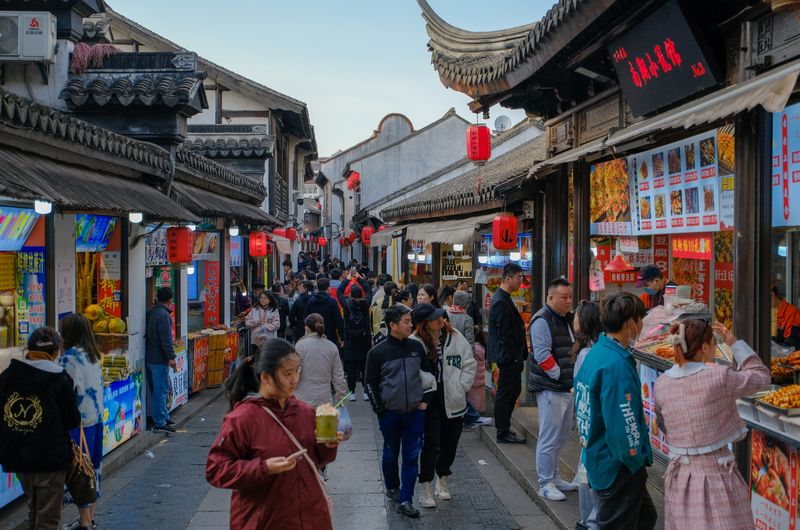
Zhangjiajie is the heartland of the Tujia ethnic minority, and their cuisine is distinct from mainstream Hunanese cooking — though it shares Hunan’s love of chili and bold flavors. Expect smoked, pickled, and fermented ingredients alongside fresh wild mountain vegetables.
Smoked Meat (La Rou)
Pork, bacon, and sausages cured with salt and smoked over wood fires for weeks. Sliced and stir-fried with dried chili and garlic, or steamed over rice. Rich, savory, and slightly sweet from the smoke. Found at practically every local restaurant. CNY 35-60 per dish.
Sour Fish (Suan Yu)
Fresh river fish cooked in a sour broth made from fermented tomatoes and chili. Tangy, spicy, and deeply savory. The sourness cuts through the richness and makes it dangerously easy to eat too much. CNY 50-80 per pot.
Wild Vegetables (Ye Cai)
Foraged mountain vegetables — fern tips, wild garlic, bamboo shoots, various greens you will not recognize — simply stir-fried with garlic and chili. Fresh, slightly bitter, and a perfect contrast to the heavier meat dishes. CNY 20-35 per plate.
Tujia Sticky Rice Cake (Ci Ba)
Pounded glutinous rice formed into thick cakes, pan-fried until crispy outside and chewy inside, often coated in sugar and sesame or stuffed with savory fillings. Sold as street food throughout Wulingyuan town. CNY 5-10 each.
Three-Pot Stew (San Xia Guo)
A local specialty: three small clay pots served together — one with braised pork, one with stewed chicken, and one with a vegetable or tofu soup. A hearty mountain meal. CNY 80-120 for the set.
Where to Stay
Wulingyuan Town (Recommended for Most Visitors)
Wulingyuan is the small town right at the entrance to the national forest park. This is where you want to base yourself — you can walk to the park gate, and the town has plenty of restaurants, hotels, and shops.
- Budget: Hostels and basic hotels CNY 80-150 per night.
- Mid-range: Clean 3-4 star hotels with park-view rooms CNY 200-500 per night. Several international chains have properties here.
- Splurge: Boutique hotels with mountain views from CNY 600-1,200 per night.
Zhangjiajie City Center
The city center is 35 minutes from the national forest park but convenient for Tianmen Mountain (the cable car departs from downtown). Stay here if you are arriving late or departing early and want to do Tianmen Mountain first.
- Budget: CNY 80-150 per night.
- Mid-range: CNY 200-400 per night near the cable car station.
Recommendation: Stay in Wulingyuan for 2-3 nights for the forest park, then one night in the city center for Tianmen Mountain. This avoids backtracking.
For setting up mobile payment before your trip, read our payment guide.
Getting There and Around
By Air
Zhangjiajie Hehua International Airport (DYG) has direct flights from Beijing, Shanghai, Guangzhou, Chengdu, Chongqing, and other major cities. Flight time from Shanghai is about 2.5 hours. The airport is small and manageable.
- Airport to Wulingyuan: Shuttle bus or taxi, about 50 minutes, CNY 100-150 by taxi.
- Airport to city center: 15 minutes by taxi, around CNY 30-50.
By Train from Changsha
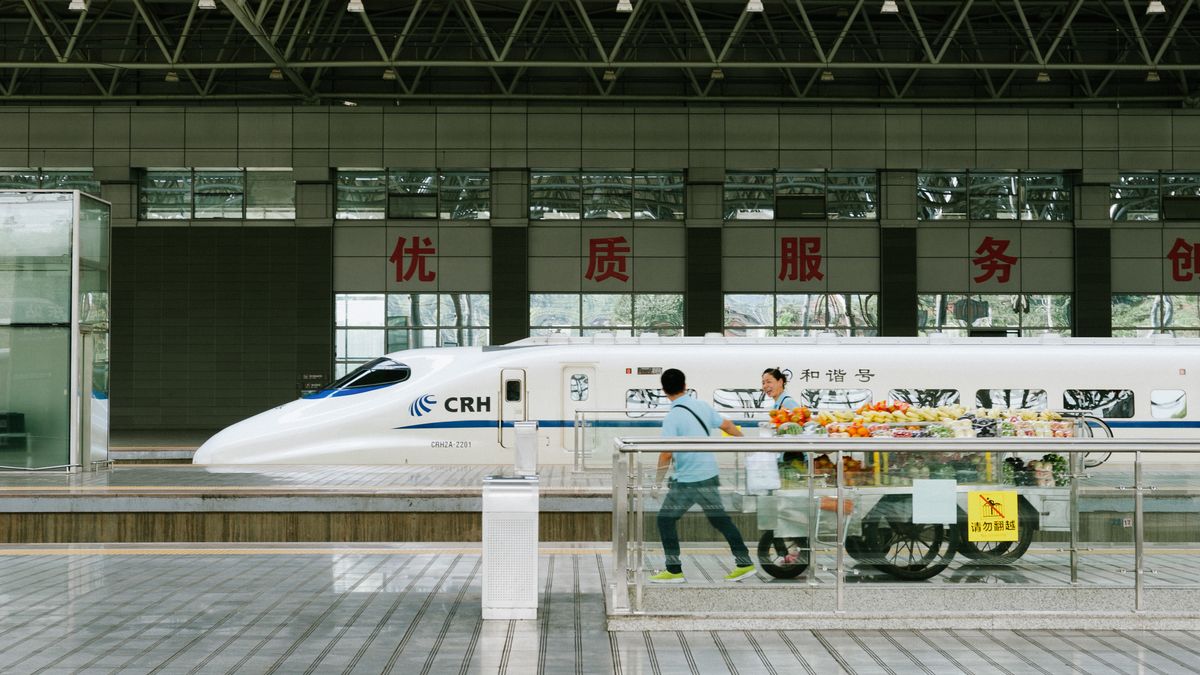
The most common route for travelers already in Hunan. A high-speed train from Changsha South to Zhangjiajie West takes about 3 hours and costs approximately CNY 150-200 for a second-class seat. Trains run multiple times daily.
For booking tips and how to navigate the system, check out our guide to buying train tickets in China.
Getting Around Within Zhangjiajie
- Inside the national forest park: Free shuttle buses connect all major scenic areas. They run frequently and are included in your park entry ticket.
- Wulingyuan to city center: Public bus CNY 12, taxi around CNY 100-120, about 35-40 minutes.
- To the Grand Canyon Glass Bridge: Shuttle buses run from Wulingyuan, about 40 minutes, CNY 15-25.
- Taxis and ride-hailing: Didi works in the city center but may be unreliable in more rural areas. Negotiate taxi fares before getting in.
Practical Tips
How Many Days Do You Need?
Three days minimum. Two full days for the national forest park, one day for Tianmen Mountain. Add a fourth day if you want the Grand Canyon Glass Bridge. Trying to squeeze everything into two days means rushing through what should be a contemplative experience.
Best Time to Visit
- April to June (spring/early summer): Lush green vegetation, frequent mist creating dramatic atmosphere around the pillars, comfortable temperatures. The most photogenic season. Expect rain — bring a waterproof jacket.
- September to November (autumn): Clear skies, colorful foliage, comfortable hiking weather. The best time for reliable views, though mist is less common.
- July to August (summer): Hot and humid with temperatures above 35 degrees Celsius. Crowds peak during summer holidays. Afternoon thunderstorms are common but usually pass quickly.
- December to February (winter): Cold, occasionally snowy. Fewer tourists, and snow-dusted pillar mountains are hauntingly beautiful — but some trails and cable cars may close in icy conditions.
For broader seasonal planning, see our guide on the best time to visit China.
Weather and Rain
Zhangjiajie receives heavy rainfall, especially from April through July. Rain is not necessarily a problem — the pillar mountains look their most ethereal when clouds swirl between them — but wet stone paths are slippery and some viewpoints may be closed in heavy fog. Always carry a rain jacket and pack your electronics in a waterproof bag.
Booking Tickets in Advance
This is not optional during peak season. The national forest park, Tianmen Mountain, and the Glass Bridge all have daily visitor caps. During Golden Week (October 1-7), summer holidays, and major Chinese festivals, tickets sell out days in advance. Book through the official WeChat mini-programs or Trip.com.
Connectivity
Get an eSIM before arriving in China — Google Maps, WhatsApp, and other international apps are blocked on Chinese networks without one. Cell signal inside the national forest park valleys can be weak, so download offline maps in advance.
Physical Preparation
This is not a flat city trip. You will be walking 15,000-25,000 steps per day on uneven stone paths, climbing stairs, and spending hours on your feet. Comfortable hiking shoes with ankle support and good grip are essential. Bring a refillable water bottle — there are filling stations inside the park.
What to Pack
A rain jacket (not an umbrella — you need your hands free on steep trails), sunscreen, insect repellent for summer months, layers for mountain-top temperatures (it is noticeably cooler on the plateaus), and a portable battery pack for your phone.
Before you go, run through our travel checklist to make sure you have not forgotten anything.
Zhangjiajie is one of those rare places where the hype is justified. The pillar mountains are genuinely otherworldly, the scale of the landscape is humbling, and standing on a glass walkway 1,400 meters above a cloud-filled valley is something you will remember for the rest of your life. Give yourself enough days, book your tickets early, wear good shoes, and do not let a little rain keep you indoors — the mist is half the magic.

Frequently Asked Questions
Is Zhangjiajie the Avatar mountain?
Yes! The Southern Sky Column in Zhangjiajie National Forest Park was the inspiration for the floating Hallelujah Mountains in the movie Avatar. It was officially renamed "Avatar Hallelujah Mountain" in 2010.
How many days do you need in Zhangjiajie?
3-4 days is ideal. Day 1-2: Zhangjiajie National Forest Park (Yuanjiajie, Golden Whip Stream, Bailong Elevator). Day 3: Tianmen Mountain and Glass Skywalk. Day 4: Zhangjiajie Grand Canyon Glass Bridge.