Harbin Travel Guide 2026: Ice Festival, Russian Heritage & Winter Wonderland
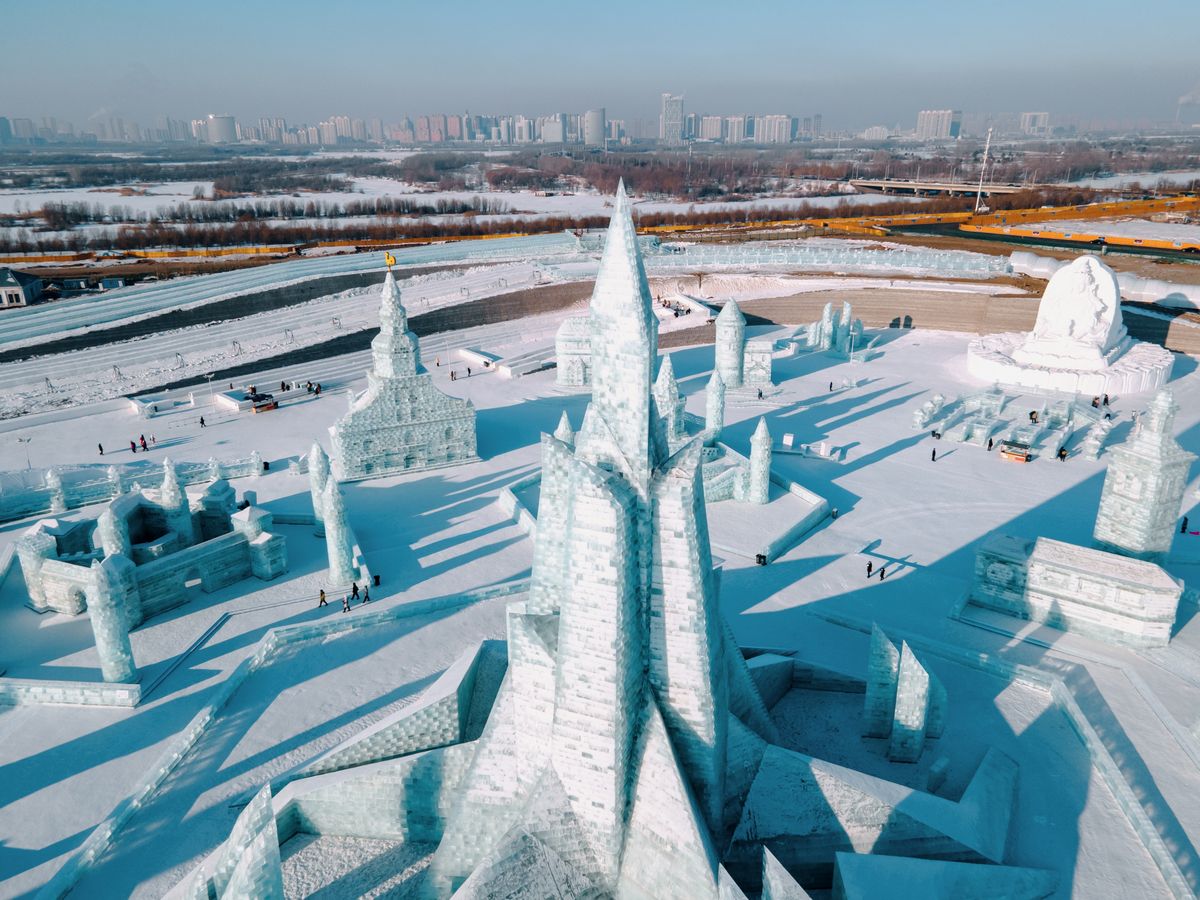
Harbin is not like anywhere else in China. Sitting in the far northeast of the country, just a few hundred kilometers from the Russian border, this city of 10 million feels more like a Siberian outpost than a typical Chinese metropolis. In January, temperatures plunge to -30°C (-22°F). The Songhua River freezes solid enough to drive cars across. And every winter, the city transforms into the largest ice and snow art exhibition on the planet — a dazzling spectacle of glowing ice palaces, towering snow sculptures, and crowds of bundled-up visitors having the time of their lives.
But Harbin is more than just the ice festival. Its century-old Russian heritage has left behind beautiful European-style architecture, a thriving bread and sausage tradition, and a famous pedestrian boulevard that feels more like St. Petersburg than Shanghai. The food scene is hearty, bold, and unlike anything you will find in southern China. And yes, locals genuinely eat ice cream outdoors in sub-zero weather — and so will you.
For foreign visitors who want to see a completely different side of China, Harbin is one of the most memorable destinations you can choose. This guide covers everything you need to plan your trip.
Why Visit Harbin
Harbin earns a spot on your China itinerary for reasons that no other Chinese city can match:
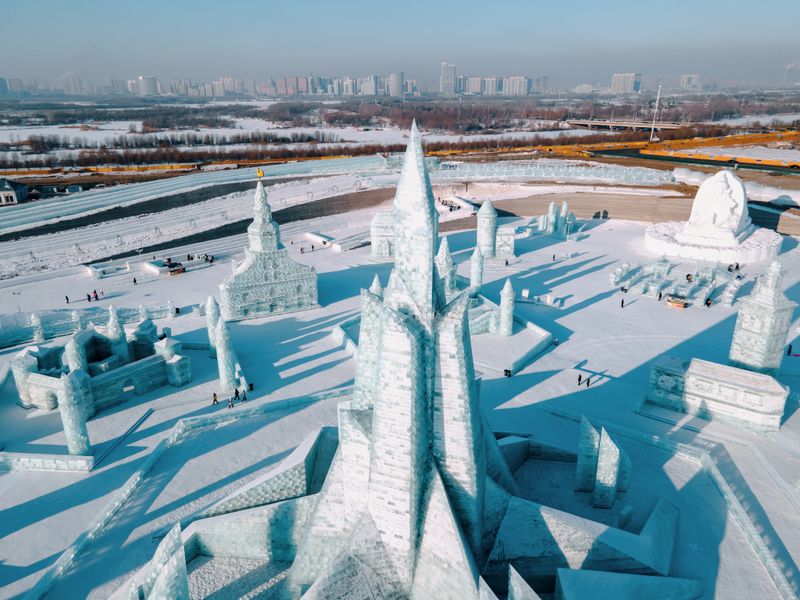
- The Ice and Snow Festival is jaw-dropping. We are talking full-size castles, temples, and towers carved entirely from blocks of ice pulled out of the Songhua River, then illuminated with colored LED lights. At night, it looks like something out of a fantasy film. There is nothing else like it in the world.
- Russian heritage gives the city a unique character. Over a century of Russian influence has left Harbin with onion-domed cathedrals, European facades, Russian restaurants serving borscht and black bread, and a cultural blend you will not find anywhere else in China.
- Dongbei cuisine is incredible. Northeastern Chinese food is hearty, generous, and intensely flavorful. Massive portions of sweet and sour pork, dumplings by the dozen, stews, and barbecue — this is comfort food perfection, especially in freezing weather.
- The extreme winter is an experience in itself. There is something exhilarating about walking through a city at -25°C, watching your breath freeze instantly, and discovering that an entire culture has been built around thriving in conditions that would shut down most other places.
- It is surprisingly easy to reach. Harbin is a three-hour flight from most major Chinese cities, or you can take the high-speed train from Beijing in about five hours. See our train tickets guide for booking details.
The Harbin Ice and Snow Festival
The Harbin International Ice and Snow Festival is the city’s main event and one of the most spectacular seasonal festivals anywhere on Earth. It officially runs from early January through late February, though some installations open in late December and others last into March depending on the weather.
Where to Go
The festival is split across several venues, and understanding the difference saves you time and money:
Harbin Ice and Snow World (Bingxue Dashijie) is the headline attraction and the one you have seen in every photo. This is where the massive illuminated ice buildings are — towers, castles, slides, replicas of famous landmarks, all carved from enormous blocks of river ice and lit up in neon colors after dark. It opens around 11:00 AM, but the real show begins after sunset (around 4:00 PM in January). Stay until at least 7:00 PM to see it fully lit.
- Admission: Around 300 CNY (about $40). Prices vary slightly by year and whether you buy tickets online in advance (recommended).
- Hours: Usually 11:00 AM to 9:30 PM during peak season.
- Allow 2-3 hours. There are ice slides, snow activities, and performances in addition to the sculptures.
Sun Island Snow Sculpture Art Expo is across the river and focuses on enormous snow sculptures rather than ice. The artistry here is astonishing — past exhibitions have included 30-meter-tall snow sculptures depicting scenes from mythology, nature, and architecture. It is best visited during the daytime when natural light shows off the details.
- Admission: Around 240 CNY.
- Allow 2-3 hours.
Zhaolin Park hosts smaller, more intricate ice lantern displays and is located right in the city center. It is less dramatic than Ice and Snow World but still beautiful, and it is easier to fit into your schedule since it is within walking distance of Central Avenue.
- Admission: Around 150 CNY.
Ice Festival Tips
- Go at night. Ice and Snow World is ten times more impressive after dark when the lights come on. Plan your visit from late afternoon into the evening.
- Buy tickets online in advance. Lines at the gate can be long, especially on weekends and during Chinese New Year.
- Dress for survival, not style. You will be standing outside for two to three hours in potentially -25°C weather. See the practical tips section below for exactly what to wear.
- Bring hand and toe warmers. Your phone battery will drain fast in extreme cold. Keep your phone inside your coat between photos, and consider a portable charger kept warm in an inner pocket.
- Weekdays are dramatically less crowded than weekends or the Chinese New Year holiday period (usually late January to mid-February).
Russian Heritage
Harbin’s Russian connection dates back to the late 1890s, when the Russian Empire built the Chinese Eastern Railway through the city. Thousands of Russian workers, merchants, and refugees settled here, and their architectural and culinary legacy is woven into the city’s identity.
Zhongyang Dajie (Central Avenue)
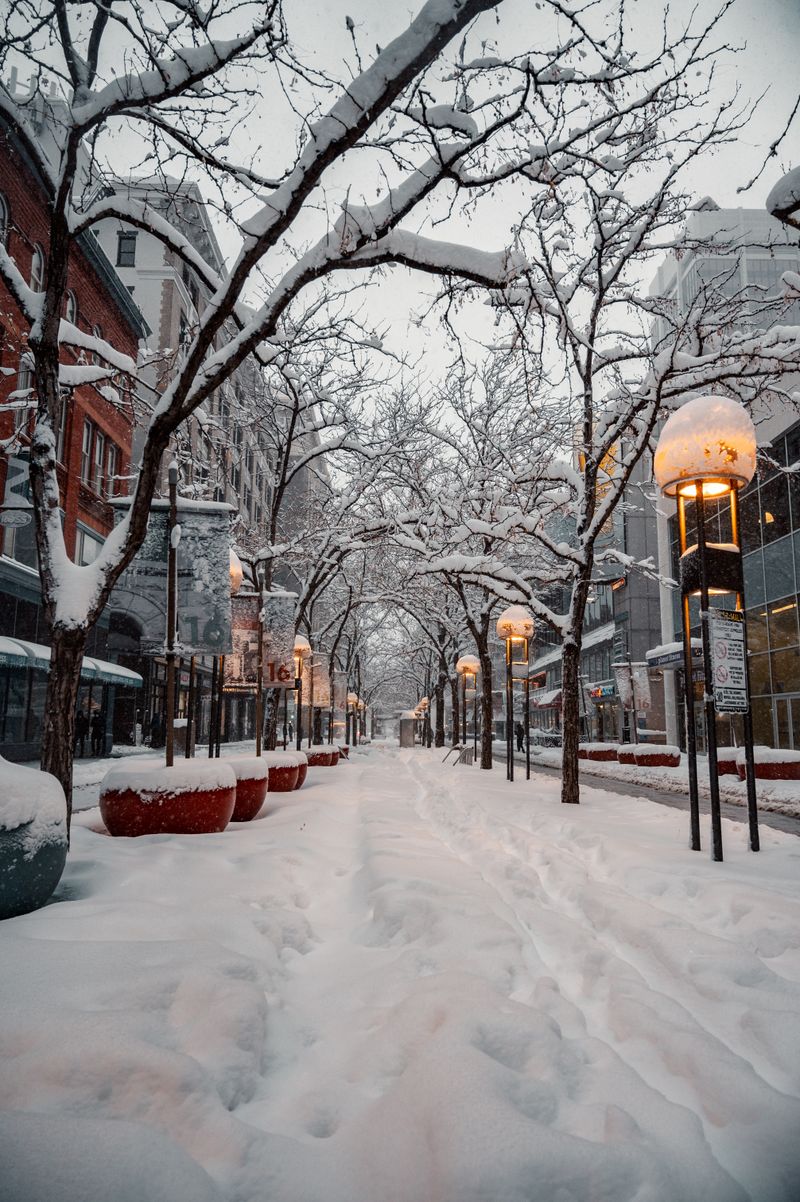
Central Avenue is Harbin’s most famous street and one of the best pedestrian boulevards in China. This 1.4-kilometer cobblestone walkway is lined with over a hundred buildings in a mix of Baroque, Byzantine, Art Nouveau, and Renaissance revival styles — most dating from the early 1900s when the city was a hub of Russian and European commerce.
Today it is packed with shops, restaurants, ice cream vendors, and in winter, small ice sculptures right on the street. Walking from one end to the other takes about 20 minutes without stops, but plan for much longer because you will want to duck into bakeries, photograph the facades, and sample snacks along the way. The Modern Hotel (Modeer Binguan), built in 1906, is a landmark worth poking into even if you are not staying there.
Central Avenue runs all the way north to the Flood Control Monument on the bank of the Songhua River, where you can walk onto the frozen river in winter.
Saint Sophia Cathedral
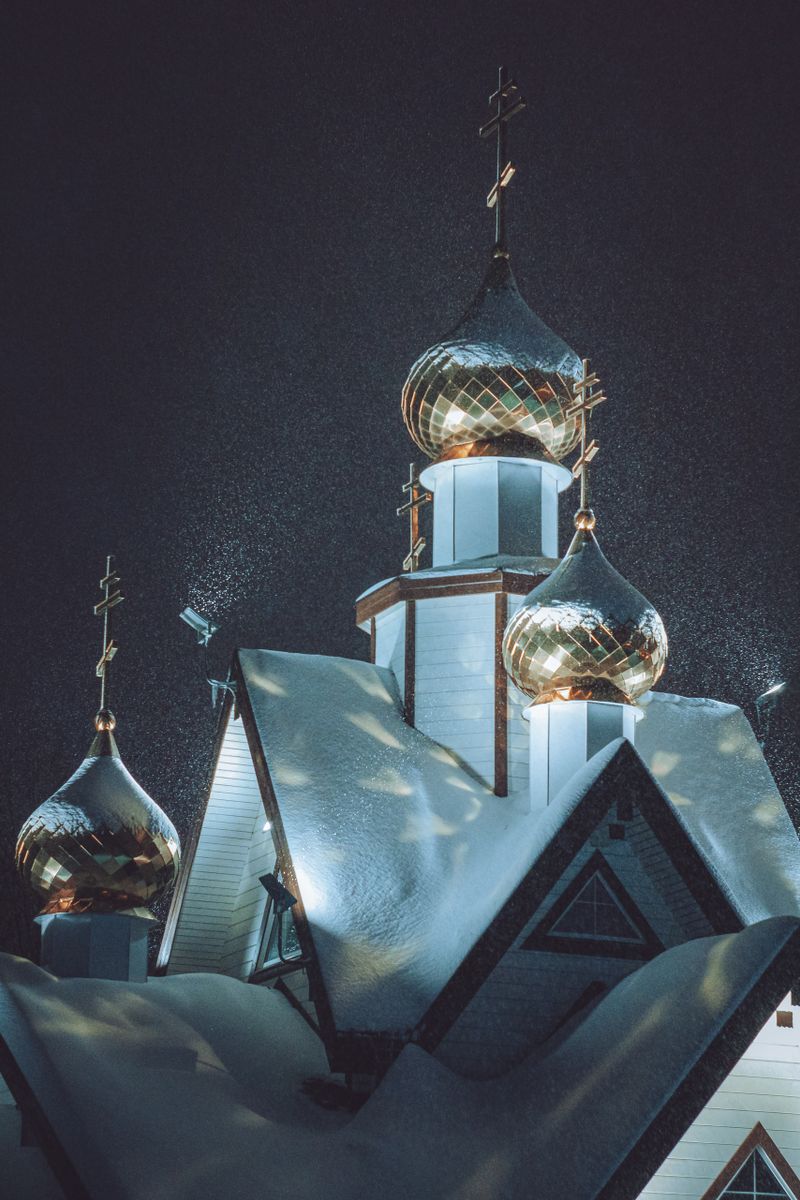
This stunning green-domed Orthodox cathedral, built in 1907 and expanded in the 1930s, is the most photographed building in Harbin. It is no longer an active church — the interior now houses the Harbin Architecture Art Gallery, with photos and exhibits documenting the city’s Russian-era history. But the exterior, especially when dusted with snow and lit up at night, is absolutely beautiful. The square in front of the cathedral is a popular gathering spot.
- Admission: 15 CNY.
- Location: About a 10-minute walk south of Central Avenue.
Russian Restaurants and Bakeries
Harbin’s Russian food tradition is alive and well. Along Central Avenue and in the surrounding streets, you will find restaurants serving borscht (luosong tang), dark rye bread, smoked sausages, and Russian-style baked goods. Huamei Restaurant (est. 1925) on Central Avenue is the most famous, serving Russian and Chinese fusion dishes in a grand dining room. Expect to spend 80-150 CNY per person. Tatos Bakery and various bread shops along Central Avenue sell soft Russian-style bread (da lieba) — dense, slightly sweet loaves that make excellent snacks.
Winter Activities
Harbin’s winter is not something to endure — it is something to participate in. The city has built an entire culture around embracing the cold, and there are activities you simply cannot do anywhere else.
Songhua River Winter Activities
When the Songhua River freezes over (typically from November through March), it becomes a massive open-air playground. Locals and visitors flock to the ice for sledding, ice biking, horse-drawn sleigh rides, ice bumper cars, and even ice go-karts. It is chaotic, joyful, and ridiculously fun. Most activities cost 20-50 CNY. You can also simply walk across the frozen river — a surreal experience when you realize there is a major waterway beneath your feet.
Winter Swimming
Every morning, a group of dedicated Harbin locals chops a hole in the frozen Songhua River and goes swimming. In -25°C air. In water that is barely above 0°C. You can watch these hardy souls at the winter swimming area near the Flood Control Monument. Participation is open but absolutely not recommended unless you are an experienced cold-water swimmer. For most visitors, watching from the bank with a cup of hot tea is the right call.
Skiing
Harbin is a gateway to some of northeast China’s best skiing. Yabuli Ski Resort, about three hours southeast of the city by car or shuttle bus, is one of China’s premier ski destinations with runs for all skill levels. Closer to the city, Jihua Ski Resort offers a decent day-trip option for beginners and intermediate skiers. Lift tickets range from 200-400 CNY depending on the resort and season.
Harbin Food Guide
Dongbei (northeastern Chinese) cuisine is the polar opposite of the delicate, refined cooking you might find in Guangzhou or Suzhou. Up here, the food is bold, salty, generous, and designed to keep you warm. Portions are enormous — one dish often feeds two or three people.
Guobaorou (Sweet and Sour Crispy Pork)
This is Harbin’s signature dish and it is nothing like the sweet and sour pork you have had at Chinese restaurants back home. Thin slices of pork loin are battered, deep-fried until shattering-crisp, and tossed in a tangy, vinegar-based sauce with a hint of sweetness. The original Harbin-style version uses a lighter, more acidic sauce than the heavy orange glaze you might expect. It is magnificent. Almost every Dongbei restaurant serves it — look for places packed with locals. Expect to pay 40-60 CNY per plate.
Dumplings (Jiaozi)
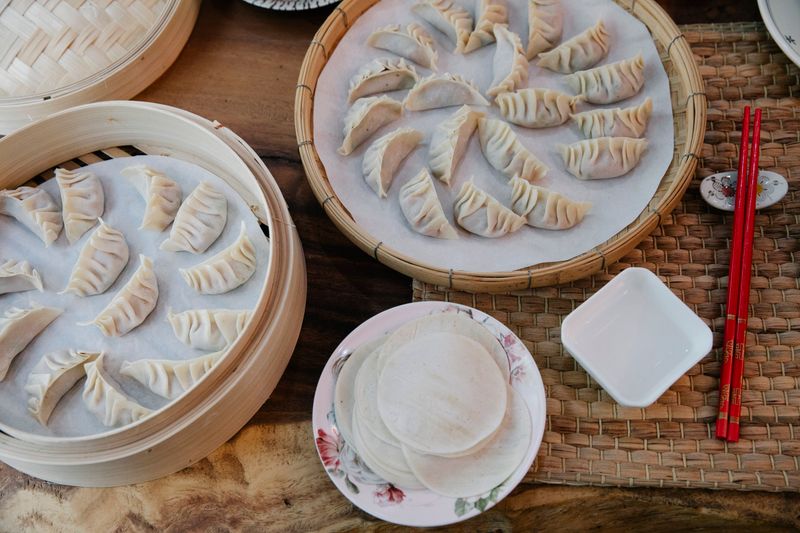
Harbin is a dumpling city. Dumplings here are larger and more robustly filled than their southern cousins, stuffed with pork and chive, lamb and carrot, or whatever seasonal fillings are available. Dongfang Jiaozi Wang (Eastern Dumpling King) is a local chain with branches all over the city that serves consistently excellent dumplings at very reasonable prices — around 30-50 CNY for a generous plate. Boiled (shui jiao) and pan-fried (guo tie) are both outstanding.
Disanxian (Three Earth Delights)
A simple Dongbei classic: chunks of potato, eggplant, and green pepper stir-fried with garlic and soy sauce. It sounds humble, but done well, it is deeply satisfying comfort food that pairs perfectly with a bowl of rice.
Harbin Beer
Harbin Brewery, founded in 1900 by a Russian merchant, produces China’s oldest beer brand. The standard Harbin Beer is a light, crisp lager that goes down easy — and at around 5-8 CNY per bottle in shops or 15-25 CNY in restaurants, it is absurdly cheap. Try the slightly more premium Harbin 1900 for a bit more flavor. Drinking a cold Harbin beer while sitting in a warm restaurant as snow falls outside the window is a quintessential Harbin experience.
Ice Cream in Sub-Zero Weather
This one will seem insane until you try it. Harbin locals eat ice cream and popsicles outdoors in the dead of winter, and street vendors sell them without refrigeration because, well, the entire city is a freezer. The most famous brand is Madier (Madai’er), sold along Central Avenue. Grab one and eat it on the street like a local. At -20°C, the ice cream is rock-hard and barely melts. It has become an iconic Harbin experience and is practically mandatory for visitors.
Da Lieba (Russian-Style Bread)
This large, round loaf of slightly sweet Russian bread is a Harbin institution. The most famous version comes from Qiulin Company and weighs over a kilogram. It makes a great souvenir (it keeps well) or a hearty snack sliced and paired with Harbin red sausage (hongchang), a smoky cured sausage sold everywhere in the city.
Siberian Tiger Park
The Heilongjiang Siberian Tiger Park, about 15 km north of downtown, is one of the world’s largest breeding centers for the endangered Siberian tiger. The park houses over 1,000 tigers — as well as smaller populations of lions, ligers, and other big cats.
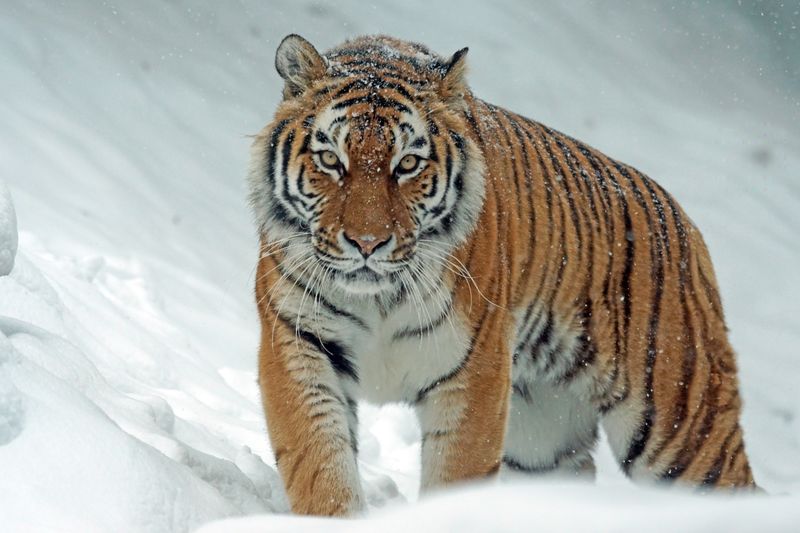
Visitors ride through the tiger enclosures in enclosed buses or vans, watching the animals roam in a semi-wild environment. Seeing massive Siberian tigers padding through the snow just meters from your vehicle is genuinely thrilling. The park is most impressive in winter, when the tigers’ thick winter coats are at their fullest and the snowy landscape provides a dramatic backdrop.
- Admission: Around 130 CNY (includes the bus tour through the enclosures).
- Getting there: A taxi from downtown takes about 30 minutes and costs roughly 40-60 CNY. Or take Bus 35 from the city center.
- Allow 1.5-2 hours.
Note: The park has faced ethical criticism regarding some of its feeding practices. Do your own research and make your own decision about visiting. The standard bus tour does not involve any live-animal feeding.
Getting Around Harbin
Getting to Harbin
By air: Harbin Taiping International Airport (HRB) receives direct flights from Beijing (2.5 hours), Shanghai (3 hours), Guangzhou (4.5 hours), and many other Chinese cities. The airport is about 35 km from the city center. The Airport Express Bus runs to the city for 20 CNY, or a taxi costs 100-130 CNY. Didi works at the airport as well.
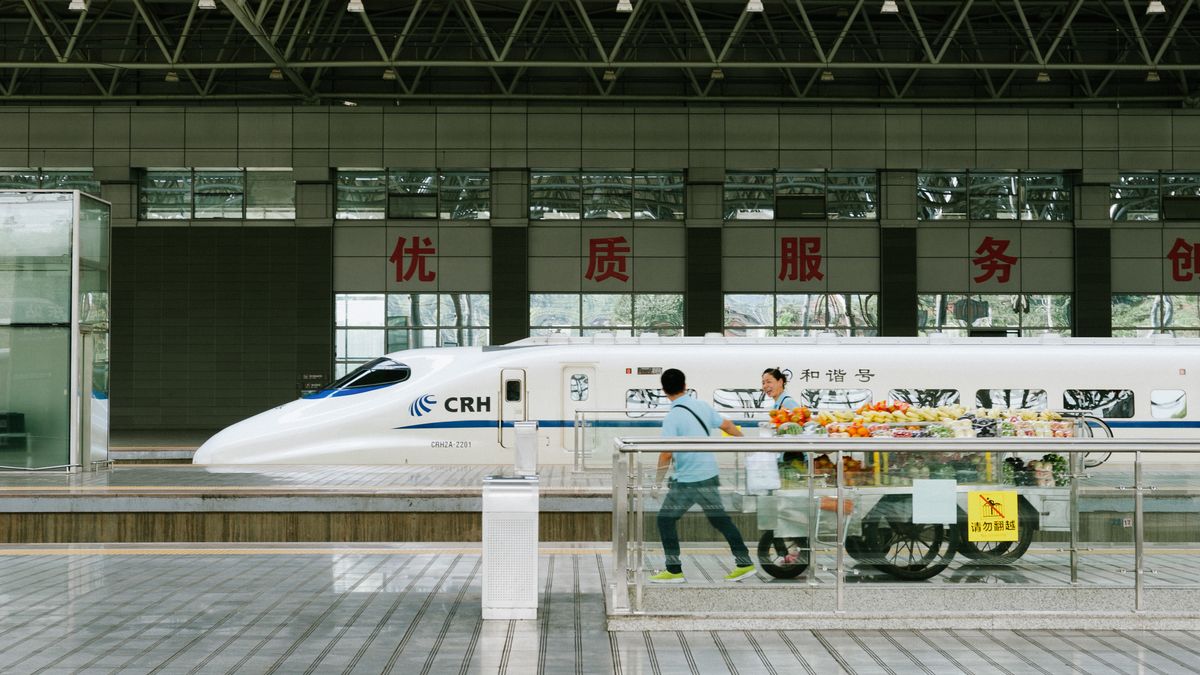
By train: High-speed trains connect Harbin to Beijing in about 5 hours (second-class seats around 500 CNY) and to Dalian in about 3.5 hours. The city has multiple train stations — Harbin West (Haxi) is the main high-speed rail hub. Book tickets through the 12306 app using our train tickets guide.
Getting Around the City
Subway: Harbin’s metro system has several lines that cover the main tourist areas. Line 1 connects Harbin East Station to the Expo area via the city center. Line 2 and Line 3 form useful loops. Fares are 2-6 CNY per ride.
Buses: Extensive and cheap (mostly 1-2 CNY), but route information is primarily in Chinese. Useful for specific destinations like the Siberian Tiger Park.
Taxis and Didi: Taxis are plentiful and cheap — a ride across the central city rarely costs more than 20-30 CNY. Didi is widely available and works with an English interface. Definitely the easiest option for visitors. Set up mobile payments before your trip using our payment guide.
Walking: Central Harbin is surprisingly walkable, especially the area around Central Avenue. Just make sure you are dressed properly in winter — even a 15-minute walk at -25°C can be punishing if you are underprepared.
Practical Tips: Surviving (and Enjoying) -30°C
The cold is the number one concern for visitors, and rightfully so. Harbin’s winter cold is extreme and can be dangerous if you are not prepared. But here is the good news: if you dress correctly, you will be perfectly comfortable, and the cold becomes part of the adventure rather than an obstacle.
What to Wear
Think layers. Lots of layers.
- Base layer: Thermal underwear (merino wool or synthetic). Top and bottom. This is non-negotiable.
- Mid layer: A fleece jacket or down vest. Warm trousers or fleece-lined pants.
- Outer layer: A long, heavy-duty down parka that covers your thighs. This is the most important piece. If you do not own one, you can buy one in Harbin for 300-600 CNY at local clothing stores — the locals know what works.
- Feet: Thick wool socks (bring spares) and insulated, waterproof winter boots. Your feet will be the first thing to get cold. Toe warmers are highly recommended.
- Head and hands: A fur-lined or fleece-lined hat that covers your ears, a scarf or balaclava for your face, and thick insulated gloves or mittens. Mittens are warmer than gloves.
- Extras: Disposable hand and toe warmers are sold everywhere in Harbin for a few CNY. Buy a stack.
Phone and Electronics
Lithium batteries hate cold. Your phone will die at 30-40% battery in extreme cold. Keep it in an inside pocket close to your body and only take it out for quick photos. A portable power bank (also kept warm in your coat) is essential. Consider buying a phone hand-warmer combo device — these are popular in Harbin and cost around 50-100 CNY.
Indoor Heating
Here is the beautiful paradox of Harbin: it is -30°C outside but practically tropical inside. Buildings throughout the northeast are centrally heated to 22-26°C, and locals often wear t-shirts indoors. Shopping malls, restaurants, and hotels are all blissfully warm. You will spend your day cycling between freezing outdoor adventures and overheated indoor escapes, which is part of the fun. Dress in layers so you can peel them off indoors without overheating.
Connectivity
Get your phone and data sorted before you arrive. A working phone is essential for navigation, translation, and payments. Check our eSIM guide for the best options. Make sure you also have your VPN installed and tested before entering China.
Best Time to Visit
December through February is peak season and the reason most people come. The Ice and Snow Festival is in full swing, the river is frozen, and Harbin is at its most magical (and coldest). January is the coldest month, with average highs around -13°C and lows hitting -25°C or below. This is when the ice sculptures are at their best.
Late December to mid-January is the sweet spot — the festival installations are fresh, the weather is reliably cold enough for perfect ice conditions, and you avoid the Chinese New Year rush (which brings massive domestic tourist crowds and higher prices).
Summer (June-August) is Harbin’s secret season. Temperatures rise to a pleasant 20-28°C, making it one of the coolest major cities in China during the scorching summer months. It has become a popular domestic summer escape. You will not see the ice festival, but you will find a pleasant, green city with parks, river cruises, and far fewer tourists.
Spring and autumn are transitional and less interesting for visitors. The ice is gone, the summer warmth has not arrived (or has left), and most of the city’s major draws are seasonal.
Harbin is one of the most unique destinations in China — a city that has turned extreme cold into an art form and whose Russian-Chinese cultural fusion exists nowhere else. Whether you come for the ice festival, the food, or the sheer novelty of eating ice cream at -25°C, Harbin will give you stories and memories that no other city in China can.
Ready to plan your trip? Make sure your phone and payments are sorted before you go — check our eSIM guide, payment guide, and travel checklist. If you are connecting through Beijing, our Beijing guide has everything you need for a stopover.

Frequently Asked Questions
When is the Harbin Ice Festival?
The Harbin International Ice and Snow Festival officially opens on January 5 each year and runs through late February. Ice World (the main attraction) typically opens in late December for preview visits.
How cold does Harbin get in winter?
Harbin regularly drops to -20°C to -30°C in January and February. Wind chill can make it feel even colder. Dress in multiple thermal layers, insulated boots, and bring hand warmers.